
In July, prices, which is most closely related to the Federal Reserve, once more displayed resistance. The Personal Consumer Expenditure Price Index (PCE ) increased by 3. 7 % annually, while the underlying measure's monthly increase, which is still well above the central bank's target, persisted at 3. 3 %.
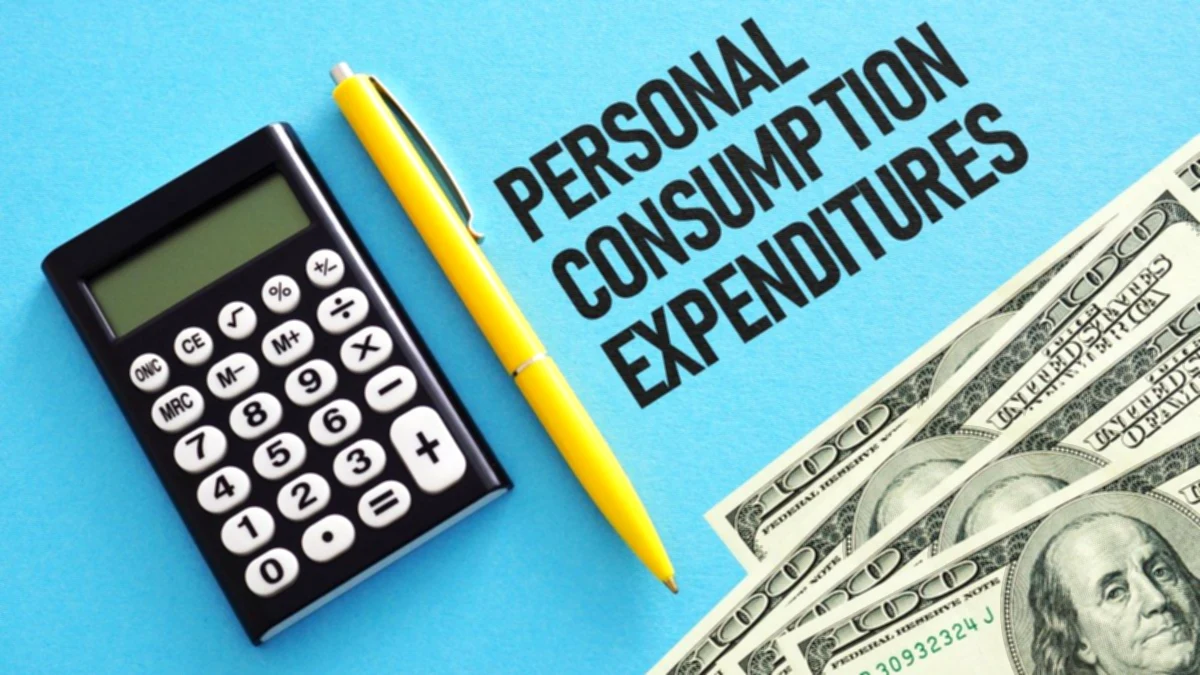
The July 2026 Personal Income and Expenditures report from the U. S. Bureau of Economic Analysis ( BEA ), which measures income, consumer spending, and savings, was released. In comparison to June, the overall PCE increased by 0. 2 % in July and grew by 3. 7 % in the year that ended in July.
The outcome was one eighth above the projections because economists polled by FactSet anticipated a 3. 6 % annual rate.
In addition, the general PCE had a 3. 7 % annual rate in June, up from its 4. 1 % in May. The debate on interest charges is kept open by the Federal Reserve because of the lack of further advances toward 2 %.
The underlying PCE increased by 0. 2 % in July and increased by 3. 3 % annually, excluding food and energy prices. The outcome in this situation was in line with economists ' expectations, which included a 3. 3 % rate.
The general PCE reflects the behavior of all goods and services included in the indicator, while the underlying PCE eliminates two categories whose prices tend to show more abrupt movements. The Federal Reserve observes both data, but the underlying component helps identify the most persistent price pressures.
According to the Tara report, commodity prices dropped by 0. 1 % in July. Fuel and other energy-related items dropped 2. 7 %, and durable furniture and appliances dropped 0. 9 percent.
Services prices increased by 0. 3 %, while financial and insurance services significantly increased by 1. 2 %.
Despite price pressure, the report also revealed that personal income increased by 0. 4 % in July, or$ 115. 1 billion, or more.
Personal consumption expenditures increased by 0. 2 %, or$ 36. 3 billion, for its part. The increase in service spending was$ 86. 2 % higher, but the increase was partially offset by a$ 49. 9 % decrease in goods spending. Adjusted for inflation, real private consumption increased by less than 0. 1 % in the month.
You might also be interested in: