
For millions of older adults in the United States, retirement is often marked by financial stress rather than tranquility, as they struggle to manage their daily expenses. The pressure of basic spending can force significant changes to their lifestyle, altering habits that were once a normal part of their routine.
The recent cost of living adjustment (COLA) for 2027, set at 3.6%, has provided a modest increase in social security benefits, although it remains uncertain whether this adjustment will be sufficient to mitigate the current situation. This year's COLA rate is nearly 1 percentage point higher than the 2.8% recorded in 2026.
Elderly individuals are increasingly reporting delayed profits due to inflation, according to Shannon Benton, executive director of the League of Older Citizens. In a recent article, Benton highlighted the struggles of older Americans, noting that nearly 80% of seniors face difficulties in affording basic necessities such as rent and food, often living paycheck to paycheck.
In response to financial concerns, numerous older adults are taking proactive steps by reducing three key expenses, in conjunction with considering a potential delay in retirement applications.
Retirees are initially reducing their discretionary expenditures at dining establishments.
US households reported a 5% rise in out-of-home food expenditures, with the average annual cost increasing to $4,142 in 2025, up from $3,945 the previous year, according to data from the Bureau of Labor Statistics.
Individuals who rely heavily on their monthly Social Security benefits may find it challenging to afford frequent dining out. Cooking meals at home provides greater control over expenses, enabling them to capitalize on affordable ingredients and minimize the costs associated with each restaurant visit.
A retired Long Island, New York resident, Lori B., recently shared her perspective with GOBankingRates, stating that she and her household have been forced to reduce their dining out due to rising costs.
The delivery of food is becoming a casualty of budget constraints for some older adults. This service, which gained popularity during the pandemic as a means of avoiding in-person interactions, may now be a luxury that many can no longer afford.
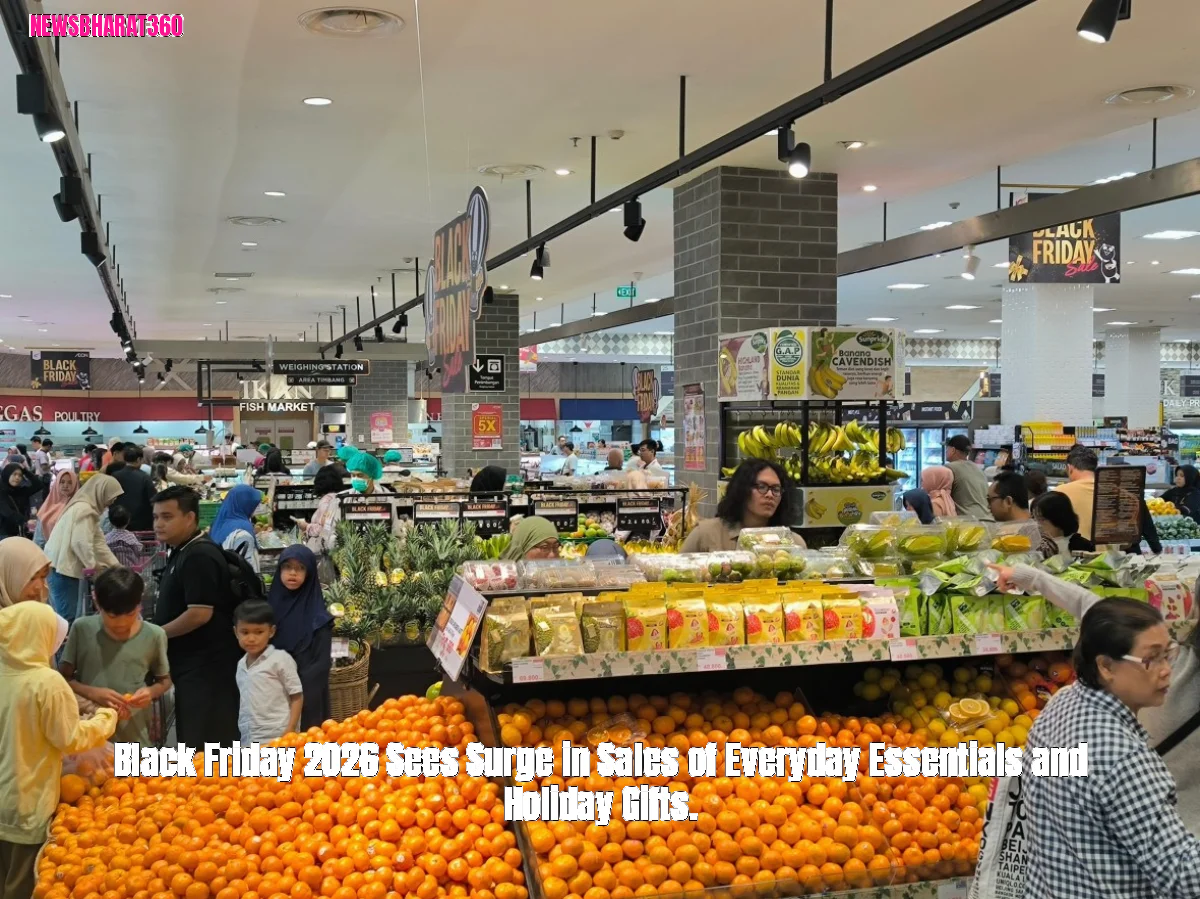
Lori B. has shifted her shopping habits, opting to visit supermarkets over online grocery services like Peapod, a change from her previous frequent use of the delivery platform.
A frequent user of Peapod has developed a new perspective after switching to in-person shopping. He now notices alternative, more budget-friendly options available in stores that may not have been visible through the app.
A retiree utilizes the Fetch app, which enables users to earn rewards for their purchases and redeem points for perks such as movie tickets. This approach aims to optimize the use of funds allocated for daily expenses.
A significant decline in healthcare access has been observed among older adults, with a 2025 survey by the League of Older Citizens revealing that nearly 58% of respondents had foregone at least one medical service in the past year due to escalating costs.
Many individuals have been delaying essential expenses related to dental care, vision, and hearing health.
Patients often face financial burdens when utilizing certain services and products that are not covered by traditional Medicare, resulting in out-of-pocket expenses for these costs.
US retirees are grappling with financial strain, as daily and medical expenses consistently consume a substantial share of their income, despite annual Social Security benefit adjustments. Many households are forced to reassess their budgets, often by curtailing non-essential expenses or reevaluating perceived discretionary spending.
Additional Relevant Information