

US removed federal emissions limits: the details
The United States Environmental Protection Agency has eliminated the legal basis for federal restrictions on vehicle emissions
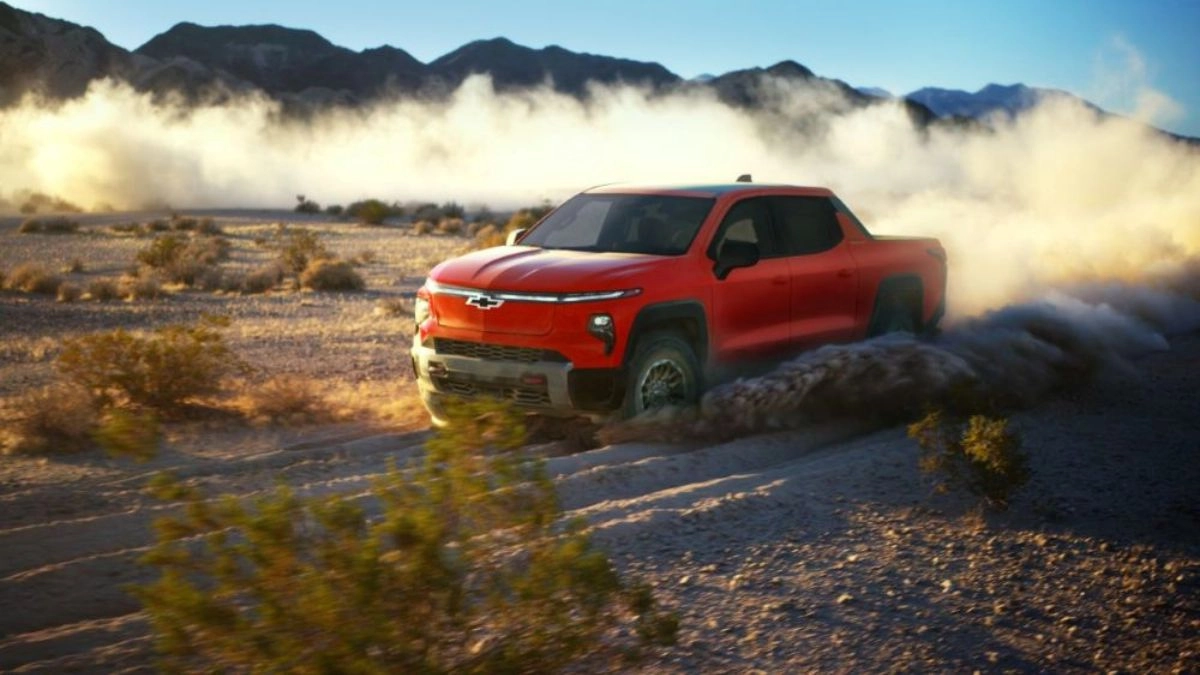

The US automotive industry's regulation landscape has recently undergone a significant change. The federal government's decision to end the legal framework that underlies the government's plan to limit car and truck emissions alters the balance between climate policy and business competiveness.
The Environmental Protection Agency ( EPA ), which revoked the EPA's "hazard determination," which was adopted in 2009, officially confirmed the decision.
In order to be regulated under the Clean Air Act, carbon dioxide and other greenhouse gases were determined to pose risks to public heath and well-being.
The major legal foundation for imposing federal emissions standards on light and heavy automobiles global disappears with the withdrawal.
This alters the business environment for both buyers and companies.
Suppliers are the ones who suffer most immediately. Brands like Tesla, Ford Motor Company, and General Motors operated under a system that mandated a gradual reduction of ordinary fleet emissions. The development of internal combustion engines is less susceptible to regulatory obstacles without this provincial need. This might actually result in lower regulation compliance costs. Multimillion-dollar investments are required to adapt machines, redesign fuel systems, and offset emissions. Without tight standards, some of those resources may be diverted to new fields of advancement or even have a positive impact on consumer prices. Larger types like pickup trucks and SUVs, which are the mainstays of the US market, might stand out in particular. Producers would have more leeway to choose energy, cargo capacity, or performance if they were not subject to strict federal house fuel targets.
What are the actual justifications for repealing it?
The measure, according to the acting president, is" the largest reform activity in US history. " The EPA administrator, for his part, referred to it as the" Holy Grail" of federal over-regulation, claiming that the action would ease the burden of the economy and promote industrial competitiveness.
In this context, the preceding regulations posed a challenge that confined technical flexibility. The repeal's backers contend that technology should not only be dependent on federal demands but also on business dynamics and consumer demand.
Economic warnings and criticisms
Economic companies immediately responded. According to numerous organizations, eliminating the "hazard willpower" undermines the country's commitments to the environment internationally and ignores established scientific evidence. Without national restrictions, specialists warn that total emissions from the travel industry may rise, particularly in large-volume urban areas with high traffic thickness. They add that the selection has the potential to have an impact on rules governing power plants and oil and gas services as well. Many states with stricter climatic laws are weighing potential legal issues. If the courts intervene and restart the debate over federal environmental expert, this could lead to a situation of governmental uncertainty. Effect on the move to electrification: The regulatory action comes at a time when electricity is expanding internationally. More stringent requirements are in place for European and Asian manufacturers, which has accelerated the development of electric and hybrid vehicles. Some analysts believe the changeover in the United States had slow if the market once again favors standard, larger-displacement engines, despite national regulatory pressure. Despite the regulatory framework, some claim that customer need and global competition will continue to drive electricity. The discussion is not intangible to the typical customer. Every option has an ecological footprint, whether it be style, power, or price. With fewer national limitations, more responsibility could be placed on personal decisions and state policies. The EPA administrator, on the other hand, referred to it as the" Holy Grail" of federal overregulation, claiming that it will ease the burden on the economy and promote industrial competition. In this context, the preceding regulations served as a hindrance that limited technical flexibility. The issue should not only be based on federal mandates but also on business dynamics and customer demand, according to opponents. Environmental Organizations ' Response to Environmental Critiques and Warnings: According to numerous organizations, eliminating the "hazard willpower" ignores established scientific data on climate change and undermines the nation's commitment to the environment internationally. Without national restrictions, according to experts, total emissions from the transportation industry could rise, particularly in cities with higher vehicle density. They add that the decision has the potential to have an impact on rules governing power plants and oil and gas services as well.
On the lawful front, some states with stricter climate laws are weighing up potential legal challenges. If the courts intervene and resume the discussion on national authority in economic matters, this could lead to a situation of governmental uncertainty.
Effects on the electricity transition
The regulation comes at a time when electricity is expanding internationally. Producing in Europe and Asia adheres to more stringent requirements, which has accelerated the development of electric and hybrid vehicles.
Some analysts believe that the change in the United States might slow down if the market once again favors the classic larger-displacement engines without the pressure from the federal government. Despite the regulatory framework, some claim that consumer demand and global competition will continue to drive electricity.
The discussion is not intangible to the typical customer. Every option has an ecological footprints, whether it be style, power, or price. With fewer national limitations, responsibility could shift more strongly to individual choices and state policies. The EPA administrator, on the other hand, referred to it as the" Holy Grail" of federal overregulation, claiming that it will ease the burden on the economy and promote industrial competition. In this context, the preceding regulations served as a hindrance that limited technical flexibility. The issue should not only be based on federal mandates but also on business dynamics and consumer demand, according to opponents. Environmental Organizations ' Response to Environmental Critiques and Instructions: According to numerous organizations, eliminating the "hazard willpower" ignores established scientific data on climate change and undermines the nation's commitment to the environment internationally. Without national restrictions, according to experts, total emissions from the transportation industry could rise, particularly in cities with large vehicle density. They add that the decision has the potential to have an impact on rules governing power plants and oil and gas services as well.
On the lawful front, some states with stricter climate laws are weighing up potential legal challenges. If the courts intervene and resume the discussion on national authority in economic matters, this could lead to a situation of governmental uncertainty.
Effects on the electricity transition
The regulation comes at a time when electricity is expanding internationally. Producing in Europe and Asia adheres to more stringent requirements, which has accelerated the development of electric and hybrid vehicles.
Some analysts believe that the change in the United States might slow down if the market once again favors the classic larger-displacement engines without the pressure from the federal government. Despite the regulatory framework, some claim that consumer demand and global competition will continue to drive electricity.
The discussion is not intangible to the typical client. Every option has an ecological footprints, whether it be style, power, or price. With fewer national limitations, responsibility could shift more strongly to individual choices and state policies. The repeal's proponents contend that technology should not only be dependent on federal demands but also on business dynamics and consumer demand.
Economic Recommendations and Accusations
Economic companies immediately responded. According to numerous organizations, eliminating the "hazard willpower" undermines the country's commitments to the environment internationally and ignores established scientific evidence.
Without national restrictions, experts warn that the transportation sector's overall emissions could rise, particularly in densely populated urban areas. They add that the selection has the potential to have an impact on rules governing power plants and oil and gas services as well.
On the lawful front, some states with stricter climate laws are weighing up potential legal challenges.
If the courts intervene and restart the debate over federal environmental expert, this could lead to a situation of governmental uncertainty.
Effect on the move to electrification
The regulation comes at a time when electricity is expanding internationally. More stringent requirements are in place for European and Asian companies, which has accelerated the development of electric and hybrid vehicles.
Some analysts believe the changeover in the United States had slow if the market once again favors standard, larger-displacement engines if there is no national regulatory pressure. Despite the regulatory framework, some claim that customer demand and global competition will continue to drive electricity.
The discussion is not intangible to the typical client. Every option has an ecological footprints, whether it be style, power, or price. With fewer provincial limitations, more responsibility could be placed on personal decisions and state policies.
This news has been tken from authentic news syndicates and agencies and only the wordings has been changed keeping the menaing intact. We have not done personal research yet and do not guarantee the complete genuinity and request you to verify from other sources too.