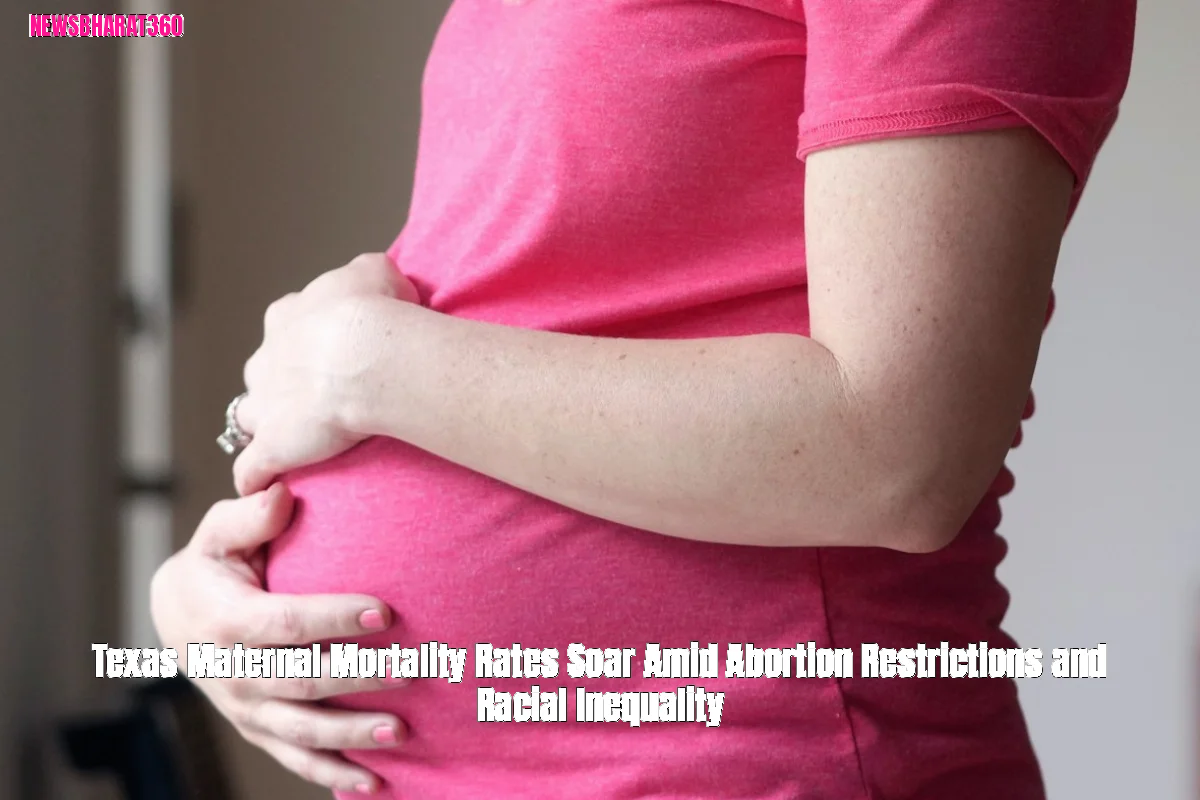

A recent official report in Texas highlights the alarming risks faced by pregnant women in the state, citing a range of contributing factors including restrictions on abortion, racial disparities, and limited access to medical care. The report found that nearly three-quarters, or 76%, of pregnancy-related deaths in 2024 were potentially preventable, with African-American women disproportionately affected, facing a 2.4-fold increased risk of mortality compared to their white counterparts.
A recent study conducted by the Texas State Department of Health Services found a decline in the mortality rate among live births from 23.5 deaths per 100,000 in 2021 to 20.5 deaths per 100,000 by 2024. Despite this improvement, disparities in mortality rates based on racial and socioeconomic factors continued to persist, according to data from The Texas Tribune.
The head of political incidence at Avow, an organization promoting reproductive rights, stated that the individuals who lost their lives were victims of political violence and racism, rather than circumstances that were unavoidable.
The publication has been criticized for its methodology, as it only considered abortion-related deaths that occurred prior to 2022, a period preceding the implementation of state restrictions on abortion. Furthermore, the analysis failed to directly investigate the potential correlation between these laws and the reported fatalities.
The Texas Department of State Health Services cited delays in processing files as the reason for the exclusion, however, civil organizations expressed concern that the lack of data hindered their ability to accurately evaluate the impact of reproductive policies.
Maternal health data for years other than 2021 and 2024 cannot be accurately analyzed or updated due to revisions, hindering the development of targeted policies to address emerging issues.
Mental health issues and violent behavior are among the primary factors contributing to various problems.
Mental health issues have become a significant contributor to pregnancy-related mortality, with a notable increase from 7% of such deaths in 2021 to 20% by 2024. The rise is largely attributed to depression and substance abuse, which have emerged as key risk factors.
The report indicates a significant rise in deaths resulting from suicide and homicide, with the percentage increasing from 5% to 19%. Notably, all murders examined in the report were perpetrated by the victim's intimate partners, and the majority of women who died from violent causes had a documented history of domestic violence.
A significant majority of women who lost their lives during the examined period were uninsured or relied on Medicaid, a public assistance program designed for low-income individuals, with over 70% falling into this category.
Research has revealed a significant socioeconomic disparity in pregnancy-related deaths, according to Kari White, executive and scientific director of Resound Research for Reproductive Health.
A medical specialist pointed to inadequate medical insurance, economic hardships and systemic disparities in healthcare access as contributing factors to the issue at hand.
Delays in Medical Care Raise Concerns, Questions Surround Report's Findings.
Delays in accessing medical care were identified as a significant obstacle to preventing maternal mortality.
Research conducted among health professionals in states with abortion restrictions revealed instances where doctors hesitated to provide timely treatment due to concerns over potential legal repercussions or non-compliance with hospital policies.
The doctor cautioned that certain delays in medical treatment can have severe consequences, including near-fatal outcomes for patients and, in some cases, the tragic loss of life for pregnant individuals.
The state report lacks sufficient data to conclusively link abortion prohibitions with the deaths in question.
A recent report indicates that while the overall mortality rate has declined, the majority of fatalities could have been prevented. The absence of data on specific years has left unanswered questions regarding the effect of abortion restrictions in Texas on maternal health outcomes.