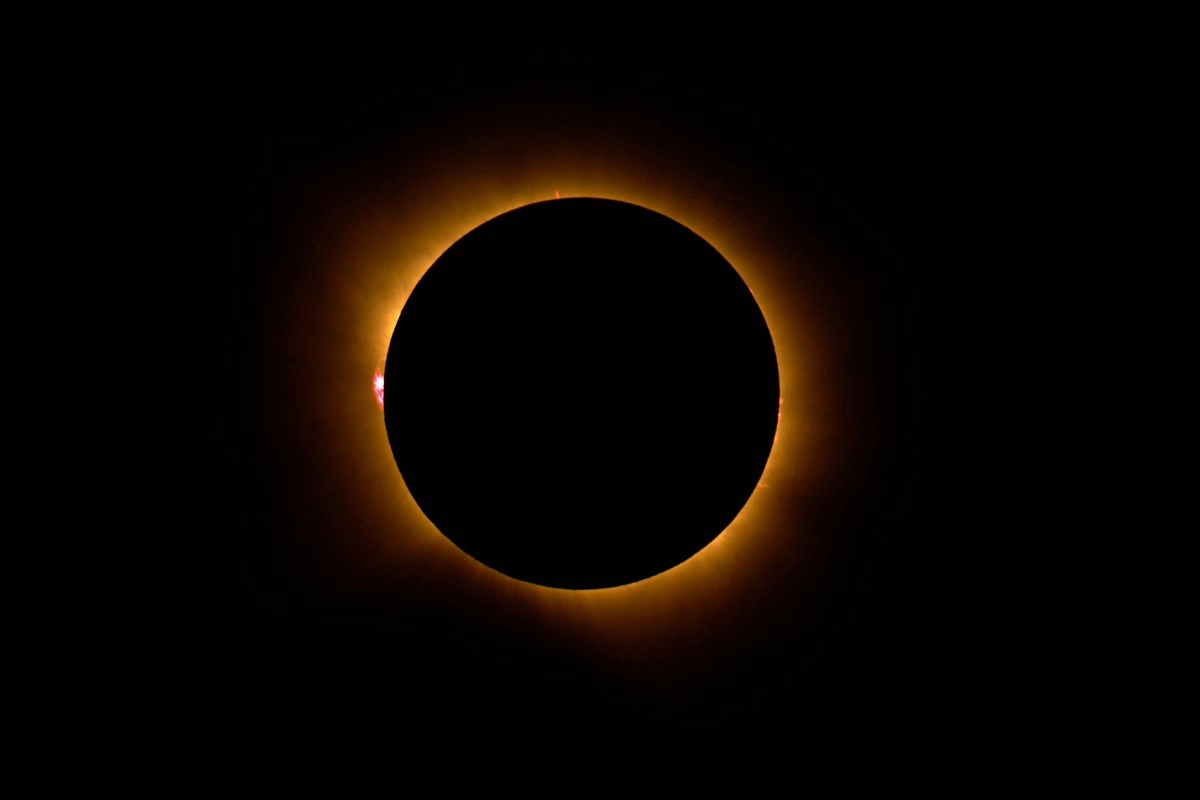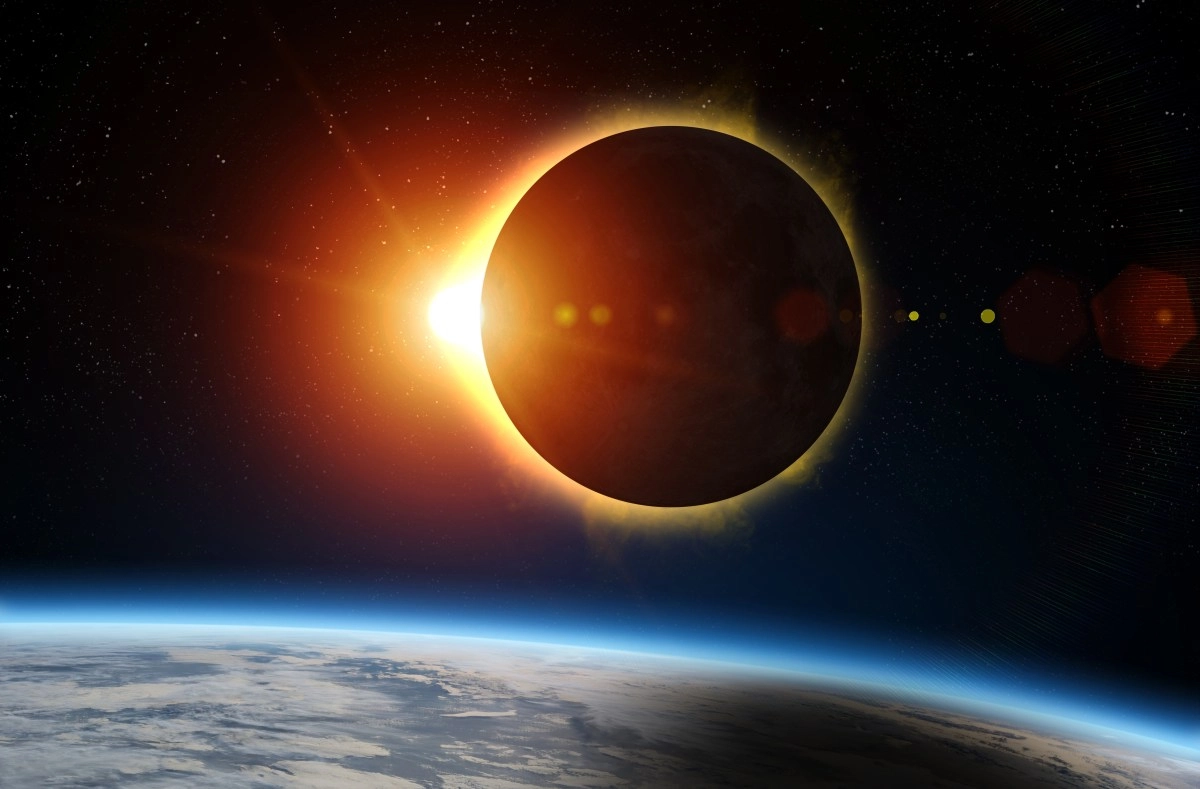

Observing an eclipse activates areas of the brain responsible for maintaining interest and fascination. This phenomenon is due to the brain's ability to detect extraordinary events, generating curiosity and surprise.
This was explained to EFE Health by neurobiologist Jose Angel Morales, a researcher at the Faculty of Medicine of the Complutense University of Madrid.
The question comes up because this August 12 will be observed in Spain when the Moon comes between the Sun and the Earth, darkening the sky, an astronomical phenomenon that will be contemplated in unison by hundreds of thousands of people. The total eclipse can also be seen in Portugal, and partially in other European nations.
“Our brain detects that something extraordinary is happening, but it has no answers for it and wants to know if this extraordinary event, which is the eclipse, poses a risk to our survival, which is, after all, the main function of our nervous system, which is to keep us alive as long as possible,” says Morales.
Neurochemical response
During the eclipse, dopamine, a neurotransmitter related to motivation and pleasure, is released in the brain. This not only intensifies the experience, but also enhances memory consolidation, making it easier to remember the occasion.
The hippocampus is activated in the presence of emotions associated with the eclipse, helping to register this event as significant in the observers' personal memory.
Physiological reactions
The autonomic nervous system is activated, generating physical reactions such as dilated pupils and goosebumps. These responses reflect excitement caused by an unusual phenomenon.
Not everyone perceives an eclipse in the same way. Those with conditions such as Parkinson's or depression may experience less emotional intensity, which underlines the diversity in the neurological response to the astronomical phenomenon, says the neurobiologist.
Preparation for the eclipse
Preparation often greatly improves the experience of observing an eclipse, because it reduces errors, increases safety, and allows you to focus on the phenomenon itself.
How the experience changes
What does prior knowledge provide?
In one sentence. Those who arrive prepared usually experience the eclipse with more comfort, more security and more excitement, while those who arrive unprepared may miss part of the phenomenon or have a worse time.