Sunrise:
Sunset:
°C
Follow Us

NASA will allow astronauts to take their iPhones to the Moon on Artemis II

Astronauts will be able to capture photos and videos like never before during the space mission that will take humans back to the Moon

NASA will allow astronauts to take their iPhones to the Moon on Artemis II
Time to Read 3 Min

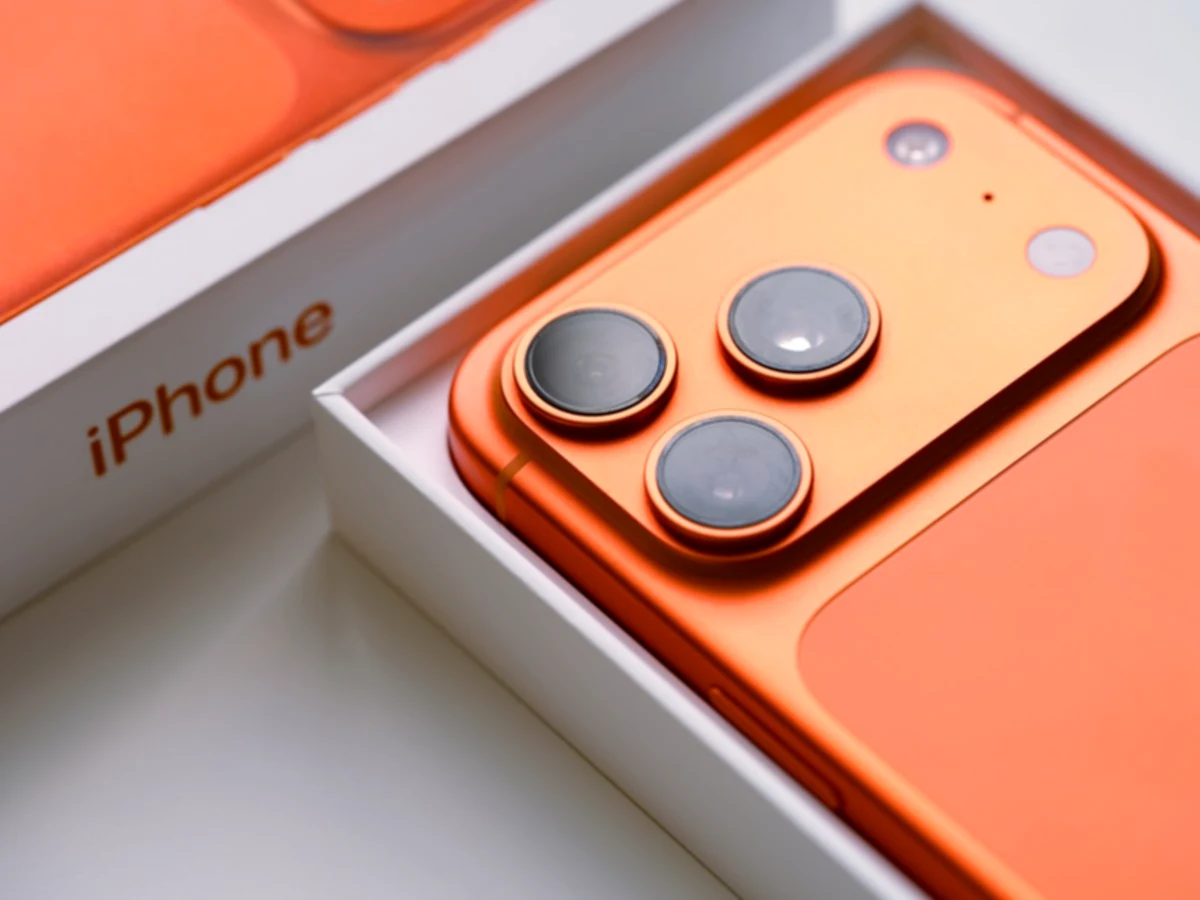
NASA announced that the extremely anticipated Artemis II mission, which will get people around the Moon, may be possible for the first time ever astronauts can take their individual smartphones into area. If everything goes as planned, the team will be accompanied by the newest generation of iPhones and Android devices on what will be one of the explorers ' most well-documented operations.

With your typical mobile, instead of Artemis II: The Moon.

This choice makes for a really intriguing scenario because the astronauts will get stranded hundreds of thousands of kilometers away from Earth using phones similar to those we use every day to check social media or take pictures.

Instead of turning the objective into a reality show, the goal is to add a commonplace tool for recording brief moments, actual reactions, and scenes that aren't often captured on film thanks to specialized equipment and incredibly tight operating schedules.

A current smartphone has an "always-on" camera that you can record and access.

In a mission like Artemis II—which has the global spotlight of “returning to the Moon”—that immediacy can make the difference between a historic shot and a moment that is simply lost because no one had the right camera on hand.

More information, as well as stronger people connections

One of the defining features of this measure is that humanizing the encounter is a top priority over reporting just for the sake of capturing. NASA wants to be able to document special events in space for their families while also sharing images and videos that inspire people on Earth. In other words, less "official picture" and more" this is what it feels like to be around," as told by those who actually carry out the mission.

That alters Artemis II's method of being seen by the general public. In the period of short clips and mobile articles, phone footage may feel more real, more private, and more accessible to share. Not everything has to be perfect; occasionally, a wobbly video with a sincere response has more impact than a flawless shot, because it feels authentic.

The Obstacle to Taking Smartphones to Space

Nothing can go in an astronaut's private phone just because they do so. Because any loss can have an impact on systems, safety, or procedures, it is challenging to approve equipment for spaceflight. That's why it's important that NASA cites the challenge of long-standing procedures to allow for the development of modern technology for spaceflight in a more rapid manner than usual.

Moreover, despite the use of dedicated cameras ( DSLRs, action cameras, etc. ) smartphones have generally been used, and they excel in terms of versatility: great video, good photos, user comfort, and no learning curve. Add to that the recent advancements in sensors, stability, and low-light performance of the iPhone and Android models, and you have a much richer physical narrative.

This news has been tken from authentic news syndicates and agencies and only the wordings has been changed keeping the menaing intact. We have not done personal research yet and do not guarantee the complete genuinity and request you to verify from other sources too.

Also Read This:


Share This:


About | Terms of use | Privacy Policy | Cookie Policy