Sunrise:
Sunset:
°C
Follow Us

Main Lens vs Telephoto vs Wide Angle vs Macro: Which to Use for Better Photos

Knowing the purpose of each lens on your smartphone will help you capture better photos in any situation

Main Lens vs Telephoto vs Wide Angle vs Macro Which to Use for Better Photos
Time to Read 5 Min

If you have many rear cameras on your phone, you can show them off. Each lens is made for a different kind of image, from simple to complex ones. The most crucial glass is almost always the main one in daily life because it's the one you use most and the one that works greatest in low light.

Before we dive into each lens individually, here's a key point to keep you on track: in mobile phones, quality is heavily dependent on the sensor ( size, light-gathering capacity ), as well as the lens + processing combination.

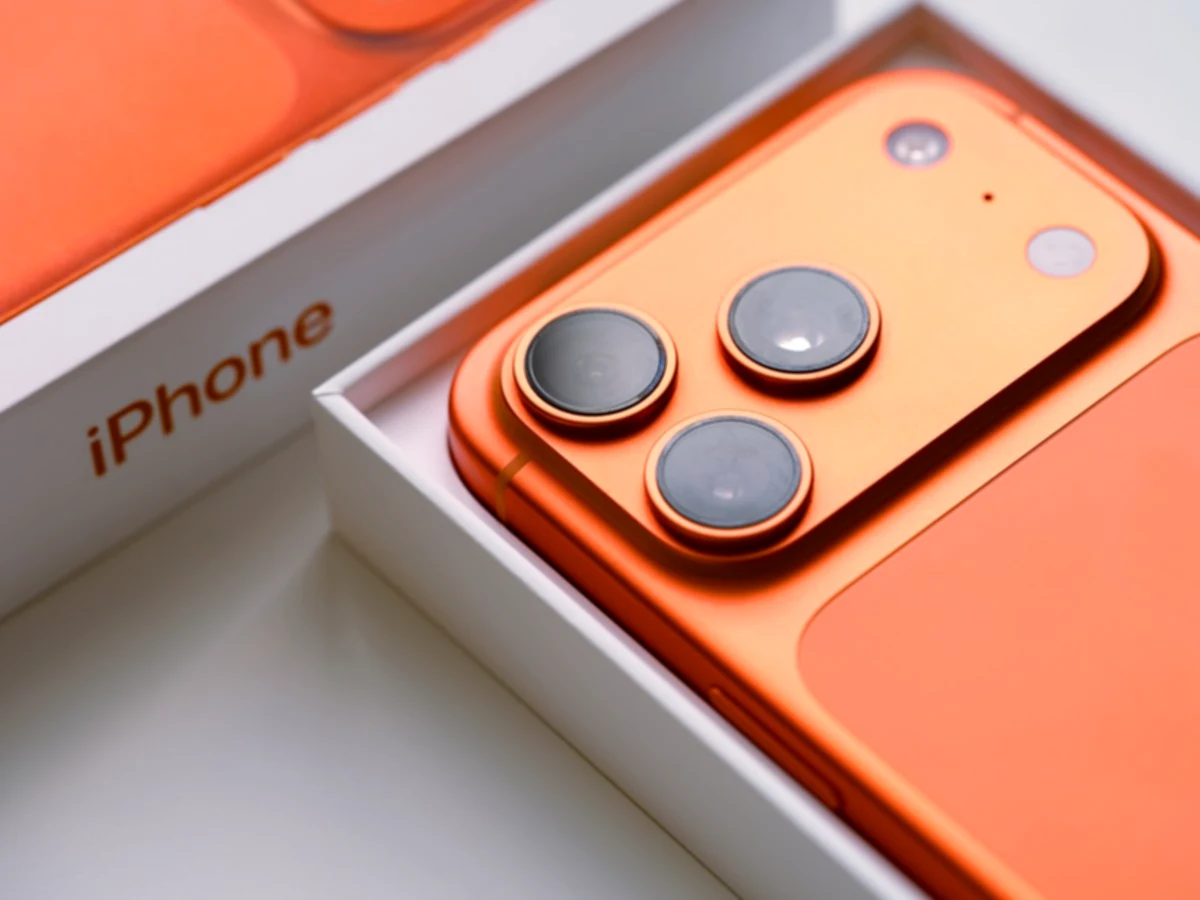
The One You Often Use is the main camera

When you open the camera app on your phone, the main lens ( also known as the "main camera" ) is the default setting and almost always has the most capable sensor. This is why this lens typically takes better photos than the others in the late afternoon, inside, or when there are unexpected shadows, because a larger sensor can capture more light and lessen noise.

The main camera is a versatile tool in training because it can be used to take photos of people, meals, pets, files, "normal" landscapes, and most videos as well. This flexibility is attributed to the fact that it typically has better stability and target than the sleep (especially in mid-range devices ).

This camera is the one that, 80 % of the time, will determine how your thoughts will look when you buy a phone and want to get them correctly. The others (telephoto, wide-angle, macro ) are frequently a" second step," but they add a lot.

Real zoom ( and better portraits ) in telephoto

The lens camera allows for closer inspection without resulting in a distorted circle; its elegance is the optical zoom, which expands the image without" cropping" it like digital camera does. In addition to images of your child playing in the distance, details of houses, and any other location where you can't ( or don't want to ) get closer, this is ideal for music and other occasions.

Additionally, because the telephoto lens typically favors more natural portraits with a narrower field of view, it helps to better distinguish the subject from the background and achieve a more "pro" look with a blurred background ( bokeh ). It uses software to expand the range with cross zoom, although the quality may decline compared to natural optical zoom, on many phones.

Apply your phone's telephoto lens for outdoor photographs in good lighting because you'll start to notice faces are less "distorted" than with really large lenses. Try not to overuse online focus; it's better to produce afterward or obtain closer yourself if you don't have a telephoto lens.

Wide-angle and micro: for information and "wow" moments

This is a common misconception because the main lens on many phones is already a" standard" wide-angle lens, and what is often called an ultra-wide-angle lens ( even wider ) is used. This lens captures much more of the picture in one shot, which is ideal for small interiors, landscapes, and group photos.

Wide-angle lenses can distort the edges ( stretched faces, curved lines ), so they're not always the best choice for portraits. Use it when it's important to "fit everything into the picture" and not when you want the most attractive appearance.

Now, the macro lens is used to capture close-ups of numerous details ( flowers, textures, insects, products, etc. ) with a very high focus. Some phones have macro mode enabled from the camera game, occasionally with a flower icon, and it allows you to shoot quickly. Some models work at around a couple centimeters to achieve that near focus.

Which is the most crucial, then? The "real" purchase is typically:

Although initially thought to be real marketing, the concept is very simple: each lens is built to a particular kind of scene. Nowadays, almost every cellphone has a" combo" of devices.

With this clear, when you open your camera you'll know what you're choosing and which lens is best for each situation. Ultimately, it's not about having a thousand lenses, but about understanding when to use each one so your photos turn out exactly as you envisioned.And what people call a "wide-angle" lens is usually actually an ultra-wide-angle lens (even wider). The idea is simple: this lens captures much more of the scene in a single shot, which is perfect for landscapes, monuments when you're very close up, narrow interiors, and group photos.

The drawback of a wide-angle lens is that it can stifle movement ( stretched faces, curved lines ), so it's not always the best choice for portraits. Use it when it's important to "fit everything into the picture" and not when you want the most attractive appearance.

Now, the macro lens is used to capture close-ups of numerous details ( flowers, textures, insects, products, etc. ) with a very high focus. Some phones have macro mode enabled from the camera game, occasionally with a flower icon, and it allows you to shoot quickly. Some models work at around a couple centimeters to achieve that near focus.

Which one, therefore, is the most crucial?

For most people, the "real" order is usually:

Although initially thought to be real marketing, the concept is very simple: each lens is built to a particular kind of scene. Nowadays, almost every cellphone has a" combo" of devices. With this in mind, when you open the camera app, you'll know what you're choosing and which one is best for each situation. In the end, it's not about having a thousand lenses, but about understanding when to use each one so that your photos turn out as you imagined them.

This news has been tken from authentic news syndicates and agencies and only the wordings has been changed keeping the menaing intact. We have not done personal research yet and do not guarantee the complete genuinity and request you to verify from other sources too.

Also Read This:


Share This:


About | Terms of use | Privacy Policy | Cookie Policy