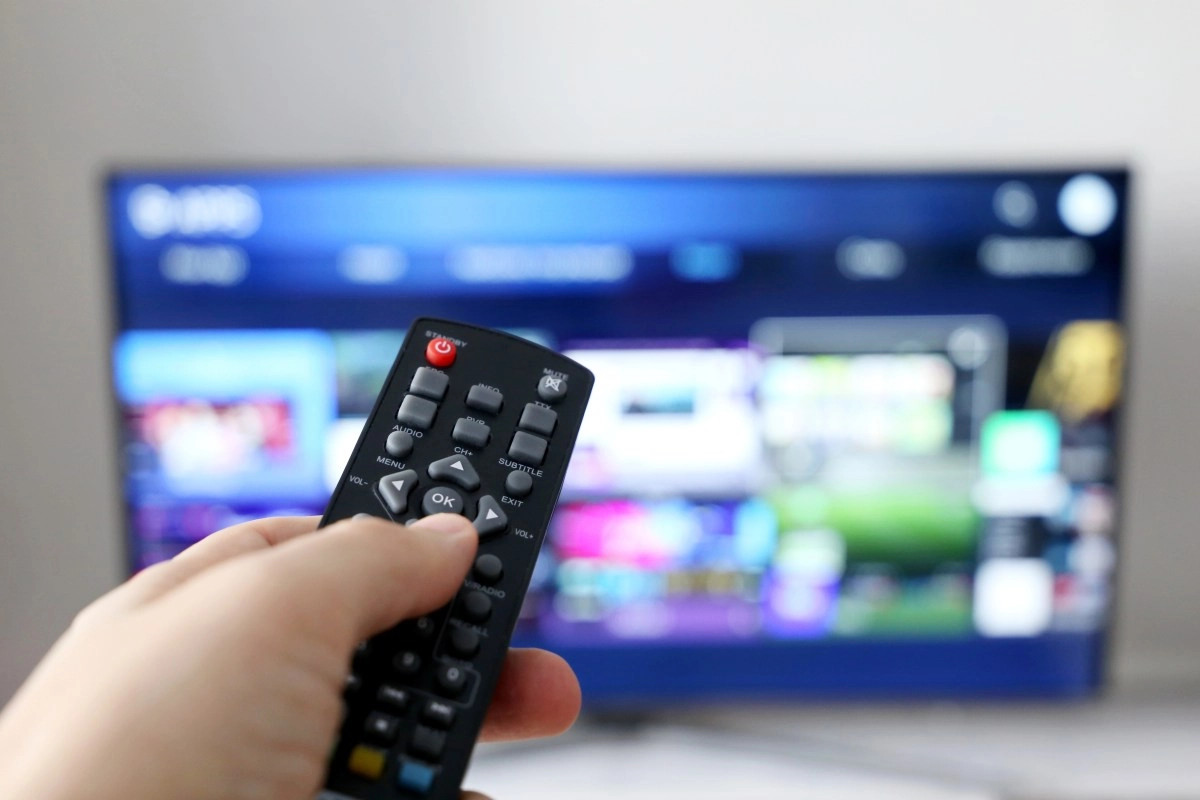

It's important to update the software on your TV, but doing so on older models is not always a wise plan. The key is to strike a balance between protection, compatibility, and efficiency: if your TV is also functional, an update can extend its life, and if it's already sluggish, a new edition can make it slower.
Why it's Worth It to Update Your Screens Software?
A wise TV is more than just a screen; it is also an operating system with apps, Wi-Fi, menus, and attached devices. In order to accomplish this, changes typically include security areas, bug fixes, connectivity enhancements, and, in some cases, fresh features or program improvements. According to Samsung and Sony, updating the software helps fix flaws and increase the device's overall performance.
Additionally, some streaming apps require current system updates to function properly because they are continuously evolving. Netflix, Prime Video, or other systems may start acting strangely or even prevent displaying some contemporary features correctly if the Screen becomes obsolete. In other words, updating is not a whim: it's frequently the simplest way to avoid issues that appear mysterious but are actually caused by dated technology.
Updates on older Monitors can be difficult to install.
But, it's not all good, as an update may put more strain on a processor that has already been used up, as it might be with older TVs. Although the new device changes bugs, some reports and support manuals suggest that, if the technology is respectable, it can also make the list take longer to load or the apps take longer to launch. This doesn't imply updating is poor; rather, it means that outdated hardware can't always keep up with current software.
The issue with older gadgets frequently extends beyond the device itself. An upgrade may improve surveillance and compatibility if the TV has a poor processor, a lack of memory, or an unfounded operating system. At the same time, it can make the hardware's limitations more clear. An old TV may not always be upgraded to a new one; it may just be preventing it from becoming totally uncomfortable or inconsistent.
When to release and when to consider double
The general rule of thumb is that updating is important if your TV however functions well, uses recent apps, and has manufacturer support. Manufacturers advise using the support menu to fit the most recent version or to enable automatic updates. This helps to patch security flaws, increase stability, and stop apps from becoming unusable as a result of incompatibilities.
On the other hand, it's best to be more cautious if your TV is now slow to understand menus, freezes frequently, or has low specifications for several years. An update you fix bugs in these situations, but it can also make people feel sluggish, so it's worth reading the company's release notes or waiting if there's no immediate reason to mount it.
When your system is now having issues, updating just to make it work isn't always the best idea. Updating the software on your TV is typically a good idea, particularly for safety, connectivity, and bug fixes. However, if you have an older TV, you must take an uneasy reality: some newer software runs more quickly than older hardware, which can lead to slower performance. If your system is still functioning, updating makes sense. However, if yours is now quite limited, using an external player, such as a streaming player, might be preferable to overburden it with more resource-intensive software. Therefore, it's worth reading the company's instructions or putting off installation if there's no compelling reason to do so. When a system is now struggling, updating just to make it easier isn't always the smartest walk. Updating the software on your TV is typically a good idea, particularly for protection, connectivity, and bug fixes. However, you have to accept an unpleasant reality with older TVs: occasionally, newer software moves more quickly than older equipment, which can lead to slower performance. If the system is also functional, updating makes feeling. If the device is already very minimal, using an external player, such as a streaming player, would be preferable to overburden it with more resource-intensive software. Therefore, it's for reading the company's instructions or putting off installation if there's no compelling reason to do so. When a system is now struggling, updating just to make it easier isn't always the smartest walk. Updating the software on your TV is typically a good idea, particularly for protection, connectivity, and bug fixes. However, you have to recognize an unpleasant reality with older TVs: occasionally, newer software moves more quickly than older equipment, which can lead to slower performance. If the system is also functional, updating makes feeling. If the device is already very limited, using an external player, such as a streaming player, would be preferable to overburden it with more resource-intensive software.