Sunrise:
Sunset:
°C
Follow Us

Will the iPhone 18 Pro be saved from price increases in 2026? Apple has a strategy to contain costs

Apple is pressing its supply chain suppliers to ensure the iPhone 18 stays within its predecessor's price range

Will the iPhone 18 Pro be saved from price increases in 2026 Apple has a strategy to contain costs
Time to Read 6 Min

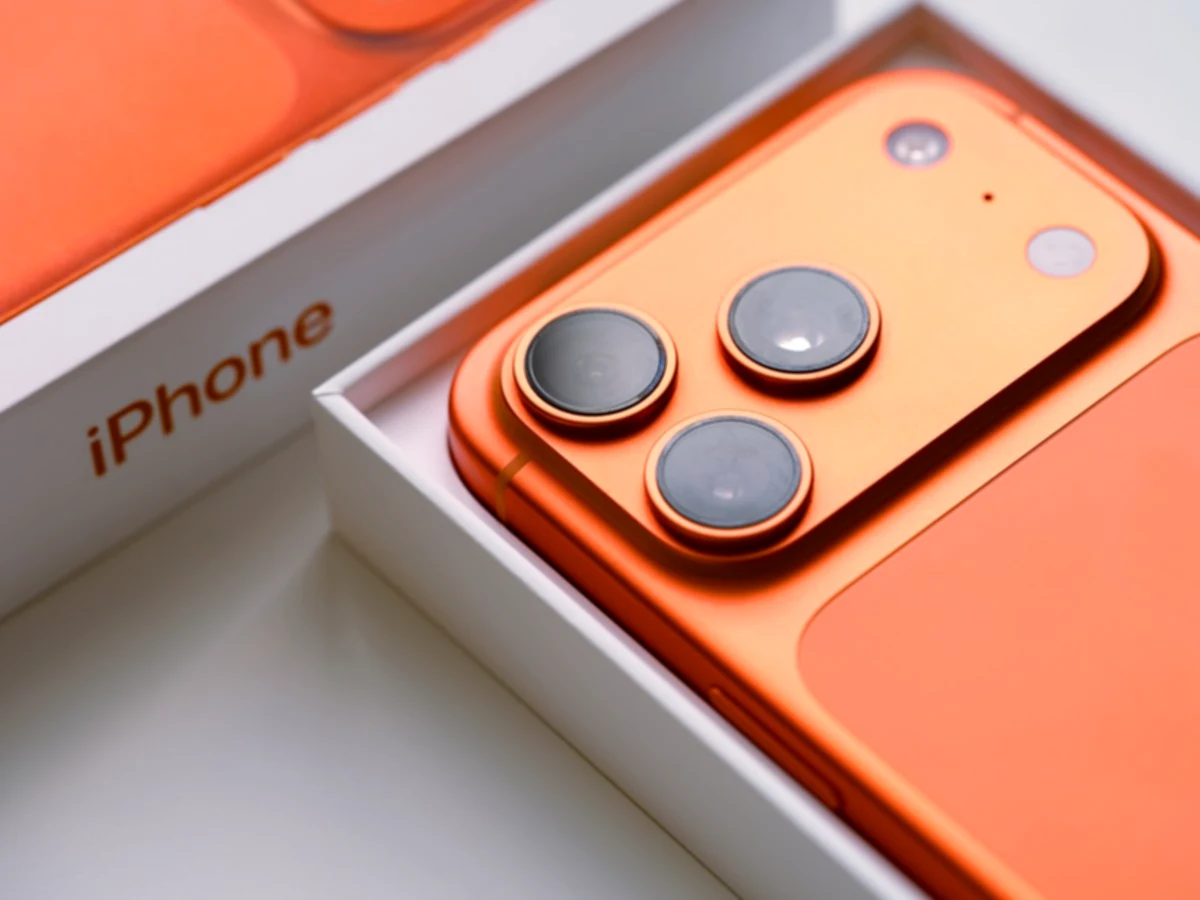
Apple wants to achieve something almost impossible: that the "top-of-the-line" iPhone 18 models don't increase in price compared to the previous generation, a rare goal in a 2026 that looks challenging for premium devices. Several reports agree that, to achieve this, the company is putting pressure on its supply chain to negotiate and is looking to cut costs just as components like RAM and storage are becoming more expensive.

Will the iPhone 18 Pro price go up in 2026?

The clearest sign, for now, is that Apple is looking to keep the starting price of the iPhone 18 Pro and iPhone 18 Pro Max at a level “unchanged” or “similar” to that of the iPhone 17 Pro, according to a note from analyst Jeff Pu. This is an explicit cost-management strategy, based on supply chain research following an earnings call, to try to avoid a price increase in the next iPhone cycle.

That nuance matters, as it is not a public promise from Apple, but an internal and difficult-to-achieve goal in a year where premium hardware is facing increasingly visible cost pressures.

Even so, the fact that the message is repeated in reports citing supply chain sources suggests that the plan is not merely wishful thinking, but a real area of ??focus within the operation.

What will Apple's strategy be to maintain prices?

The central thesis of these reports is that Apple is shifting the battle over final price to its suppliers. If the price of DRAM and NAND rises, the company tries to compensate with more favorable agreements and adjustments to other components. AppleInsider, for example, claims that Apple is negotiating with memory manufacturers like Samsung and SK hynix to secure advantageous terms even in a context of rising DRAM and NAND prices. These talks would have sought the most advantageous price possible, and Apple would be trying to improve costs not only on memory, but also on components like the screen and camera.

The logic is consistent with what is known about Apple's buying power. When a company moves massive volumes, it can leverage terms, secure capacity,and "spread" the impact of price increases without immediately passing them on to the consumer. But the challenge for 2026 is that the pressure doesn't come from a single source. When RAM and storage prices rise simultaneously, the margin for absorbing it all shrinks, which is why the focus in negotiations becomes so aggressive.

Why 2026 is shaping up to be the year of price hikes for smartphones and computers

The backdrop is a memory market that, according to TrendForce, has entered a phase of sharp price increases that directly affect the cost of manufacturing phones and laptops.

In a report cited by Evertiq, TrendForce projects that in Q1 2026, contract prices for "conventional" DRAM would rise between 55% and 60% quarter-over-quarter, while NAND Flash would increase between 33% and 38%, with a domino effect on device manufacturers. The same document emphasizes that supply and demand tension does not disappear during "slow seasons" and that even in PCs, OEMs may be forced to purchase more expensive memory through module channels, raising costs. In this context, TrendForce also describes how smartphone and notebook brands are beginning to respond with two classic strategies: raising prices and/or cutting specifications. This is where what we at La Opinion have been telling you in recent weeks comes in: the increased cost of RAM and storage is not a technical detail, but rather the kind of structural change that ends up being reflected in consumer prices, especially in premium ranges. If Apple manages to maintain the price of the iPhone 18 in its more expensive models while the rest of the sector adjusts upwards, it could turn that stability into a competitive advantage that is easy to communicate—and, above all, easy to sell—in a year where many flagship devices may feel more expensive than those of 2025. TrendForce projects that in Q1 2026, contract prices for "conventional" DRAM will rise between 55% and 60% quarter-over-quarter, while NAND Flash will increase between 33% and 38%, with a domino effect on device manufacturers. The same document emphasizes that supply and demand tension does not disappear during "slow seasons" and that even in PCs, OEMs may be forced to purchase more expensive memory through module channels, driving up costs. In this context, TrendForce also describes how smartphone and notebook brands are beginning to respond with two classic strategies: raising prices and/or cutting specifications. This is where what we at La Opinion have been reporting in recent weeks comes in: the increased cost of RAM and storage is not a technical detail, but rather a type of structural change that ultimately translates into consumer prices, especially in premium segments. If Apple manages to maintain the price of the iPhone 18 in its more expensive models while the rest of the sector adjusts upwards,it could turn that stability into a competitive advantage that is easy to communicate—and, above all, easy to sell—in a year where many flagship devices may feel more expensive than those of 2025. TrendForce projects that in Q1 2026, contract prices for "conventional" DRAM will rise between 55% and 60% quarter-over-quarter, while NAND Flash will increase between 33% and 38%, with a domino effect on device manufacturers. The same document emphasizes that supply and demand tension does not disappear during "slow seasons" and that even in PCs, OEMs may be forced to purchase more expensive memory through module channels, driving up costs. In this context, TrendForce also describes how smartphone and notebook brands are beginning to respond with two classic strategies: raising prices and/or cutting specifications. This is where what we at La Opinion have been reporting in recent weeks comes in: the increased cost of RAM and storage is not a technical detail, but rather a type of structural change that ultimately translates into consumer prices, especially in premium segments. If Apple manages to maintain the price of the iPhone 18 in its more expensive models while the rest of the sector adjusts upwards, it could turn that stability into a competitive advantage that is easy to communicate—and, above all, easy to sell—in a year where many flagship devices may feel more expensive than those of 2025.

This news has been tken from authentic news syndicates and agencies and only the wordings has been changed keeping the menaing intact. We have not done personal research yet and do not guarantee the complete genuinity and request you to verify from other sources too.

Also Read This:


Share This:


About | Terms of use | Privacy Policy | Cookie Policy