Tadalafil's use beyond erectile dysfunction: expanding its horizon beyond the bedroom
Scientific understanding of the mechanism of action of drugs has evolved, revealing a therapeutic potential that transcends their original use
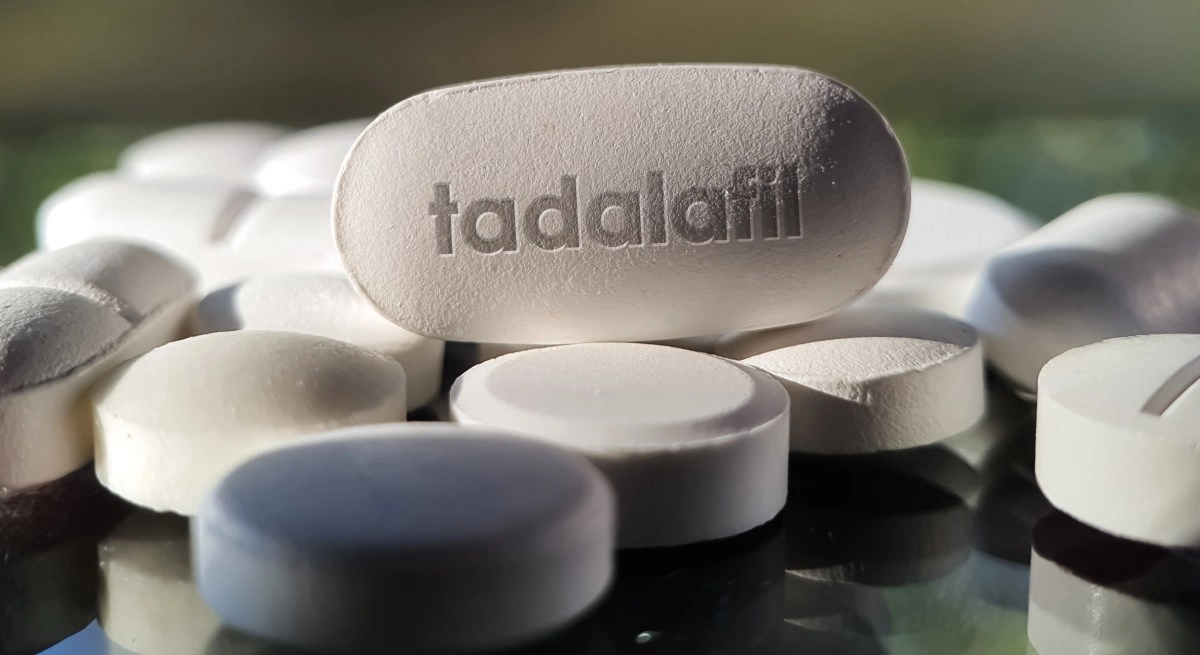
For decades, phosphodiesterase type 5 (PDE5) inhibitors have been synonymous with erectile dysfunction treatment. Since Pfizer revolutionized the pharmaceutical market with sildenafil in 1998, these medications have become cultural and commercial icons, associated almost exclusively with male sexual health. However, the scientific understanding of the mechanism of action of these drugs has evolved considerably, revealing a therapeutic potential that transcends their original use and opens doors to innovative treatments in various medical specialties. Tadalafil, initially marketed under the brand name Cialis and known for its prolonged duration of action, has emerged as one of the most versatile compounds in this pharmacological family. Unlike its predecessors, this medication has demonstrated efficacy in conditions as diverse as pulmonary hypertension, urinary disorders, and even cardiovascular diseases. This expansion of indications is not simply a search for new market niches, but rather the discovery that the molecular mechanisms that improve genital blood flow can benefit multiple systems of the human body. Pulmonary Arterial Hypertension: One of the most significant applications of tadalafil outside the sexual sphere is the treatment of pulmonary arterial hypertension, a serious condition characterized by increased pressure in the arteries that carry blood to the lungs. This disease, which can be debilitating and potentially fatal, finds in tadalafil a therapeutic ally approved by international regulatory agencies. The medication works by relaxing the walls of the pulmonary blood vessels, facilitating blood flow and reducing the workload of the heart. Under the trade name Adcirca,Tadalafil is prescribed in specific doses to improve exercise capacity and delay clinical deterioration in patients with this condition. Clinical studies have demonstrated significant improvements in walking distance and quality of life for those with this chronic disease.
Urological Relief
Benign prostatic hyperplasia, a noncancerous enlargement of the prostate gland that affects millions of men over 50, represents another area where tadalafil has found clinical utility. The urinary symptoms associated with this condition—difficulty initiating urination, weak flow, frequent urge to urinate—can significantly affect quality of life.
Tadalafil offers a dual benefit in these patients: it improves urinary symptoms by relaxing the smooth muscle in the prostate and bladder, and can simultaneously address erectile dysfunction problems that frequently coexist in this population.
This dual action has made the drug an attractive option for urologists and patients, especially those with both conditions simultaneously.
Improved Blood Flow
Raynaud's phenomenon, characterized by episodes of reduced blood flow to the fingers and toes in response to cold or stress, has been investigated with tadalafil and other PDE5 inhibitors. Although its use for this indication remains largely off-label, several studies suggest potential benefits.
Patients with Raynaud's secondary to connective tissue diseases, such as scleroderma, may experience a reduction in the frequency and severity of vasospastic episodes. The mechanism of action—enhancing peripheral vasodilation—is theoretically promising, although further research is needed to establish standardized treatment protocols.
Emerging Research
The potential of tadalafil continues to be explored in surprising areas. Some studies have investigated its use in migraine prevention, taking advantage of its vasodilatory properties. Others have explored potential benefits for the athletic performance of athletes training at high altitudes, where the reduced oxygen availability presents a physiological challenge. In the field of neurology, preliminary research has examined whether PDE5 inhibitors could have applications in cognitive or neurodegenerative disorders, given that nitric oxide plays important roles in neuronal signaling. Although these studies are in early stages, they represent the kind of innovative thinking that characterizes modern pharmacological research.
Tadalafil serves as a reminder that medical innovation doesn't always require entirely new molecules. Sometimes, it's simply a matter of taking a fresh look at existing drugs and asking what else they can offer to the modern therapeutic arsenal. The future will likely bring more surprises regarding this versatile compound, which has proven its value far beyond its initial reputation.
You may also be interested in:
This news has been tken from authentic news syndicates and agencies and only the wordings has been changed keeping the menaing intact. We have not done personal research yet and do not guarantee the complete genuinity and request you to verify from other sources too.