Sunrise:
Sunset:
°C
Follow Us

DHS orders thousands of employees to return to work despite ongoing shutdown

The DHS has been clear in its warning to staff: those who do not report to work could face disciplinary action
DHS orders thousands of employees to return to work despite ongoing shutdown
Time to Read 14 Min

The Department of Homeland Security (DHS) ordered the immediate return of thousands of employees who had been temporarily furloughed due to the partial shutdown of the federal government, in a move that redefines the traditional handling of these budget crises and raises uncertainty about its legality and sustainability.

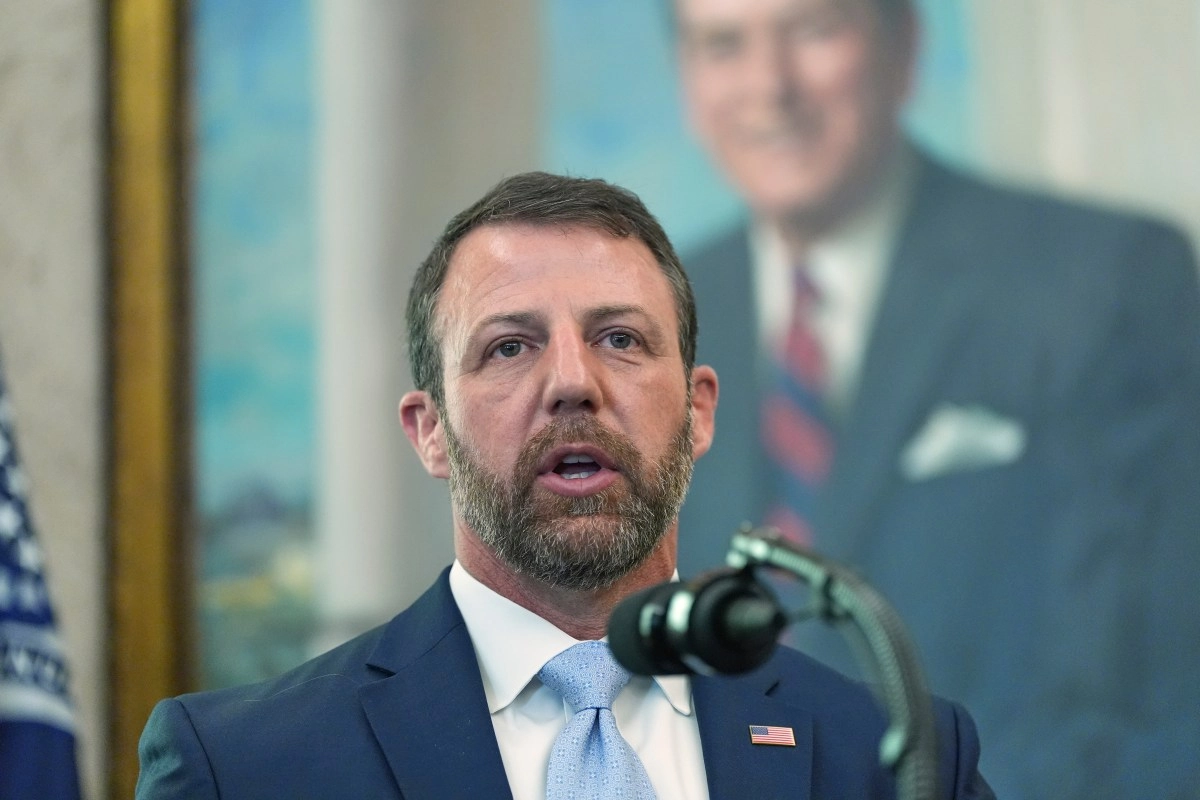
According to internal communications sent For staff, the instruction applies both to employees considered "exempt" and to those who would not normally be authorized to work during a funding interruption. The directive marks a significant shift from previous shutdowns, where only essential personnel continued working, generally without pay. “All DHS employees… are returning to their paid employment status,” the department’s Chief Human Resources Officer stated in a notice dated April 10, instructing workers to return to their next scheduled shift. Key agencies such as the Federal Emergency Management Agency (FEMA) and the Cybersecurity and Infrastructure Security Agency (CISA) also notified their staff that they should return to their workplaces in person. Change in Rules During the Shutdown: Historically, during federal government shutdowns, agencies distinguish between “exempt” employees, necessary for the protection of life and property, and those who are furloughed without pay. However, the DHS has broadened the interpretation of which functions are essential, allowing more workers to resume their regular activities. The department justified the decision by stating that the work of these employees “contributes to the fulfillment of the purpose of the available appropriations,” which would allow their reactivation even without full budget approval from Congress.The measure comes after a presidential order issued in early April that instructed the DHS to use available funds to pay back wages. More than 35,000 employees recently began receiving payments after weeks without income since the shutdown began on February 14. However, Homeland Security Secretary Markwayne Mullin cautioned that future payments are not guaranteed and will depend on Congress reaching an agreement to fund the agency. “From now on, we have to wait for Congress’s decision,” he said. Legal and Operational Uncertainty The mass return of employees raises legal questions, particularly regarding the Antideficiency Act, which prohibits federal agencies from committing unallocated resources. Experts believe the administration may be invoking emergency powers or reinterpreting the concept of essential work to justify the measure. Meanwhile, the political deadlock on Capitol Hill continues. Although the Senate reached a partial agreement to fund DHS, divisions persist in the House of Representatives, especially regarding resources allocated to immigration policies and border control. For employees, the order brings both relief and concern. While returning to work represents a resumption of income, DHS itself warned that available funds are limited and could run out. In that case, workers would receive further instructions regarding their employment status. Furthermore, failure to comply with the return-to-work order could result in disciplinary action, according to internal communications. Impact on Disaster Response: In the case of FEMA, the return of personnel could strengthen preparedness for the upcoming hurricane season and extreme weather events. Reintegration allows for the resumption of planning, training, and coordination tasks that are typically halted during shutdowns. However, restrictions remain in place. Employees cannot work overtime and must limit themselves to specific duties, which could affect emergency response capabilities. This is compounded by the pressure on the Disaster Relief Fund, whose resources dwindle as the shutdown continues. The funding bill currently stalled in Congress allocates more than $26 billion to bolster that fund. In this context, the DHS decision represents a temporary solution aimed at maintaining critical functions, but it raises questions about its long-term viability amid the legislative gridlock.More than 35,000 employees recently began receiving payments after weeks without income since the shutdown began on February 14. However, Homeland Security Secretary Markwayne Mullin cautioned that future payments are not guaranteed and will depend on Congress reaching an agreement to fund the agency. “From now on, we have to wait for Congress’s decision,” he said. Legal and Operational Uncertainty: The mass return of employees raises legal questions, particularly regarding the Antideficiency Act, which prohibits federal agencies from committing unallocated resources. Experts believe the administration may be invoking emergency powers or reinterpreting the concept of essential work to justify the move. Meanwhile, the political deadlock on Capitol Hill continues. Although the Senate reached a partial agreement to fund DHS, divisions persist in the House of Representatives, especially regarding resources allocated to immigration policies and border control. For employees, the order brings both relief and concern. While returning to work represents a resumption of income, DHS itself warned that available funds are limited and could run out. In that case, workers would receive further instructions regarding their employment status. Furthermore, failure to comply with the return-to-work order could result in disciplinary action, according to internal communications. Impact on Disaster Response: In the case of FEMA, the return of personnel could strengthen preparedness for the upcoming hurricane season and extreme weather events. Reintegration allows for the resumption of planning, training, and coordination tasks that are typically halted during shutdowns. However, restrictions remain in place. Employees cannot work overtime and must limit themselves to specific duties, which could affect emergency response capabilities. This is compounded by the pressure on the Disaster Relief Fund, whose resources dwindle as the shutdown continues. The funding bill currently stalled in Congress allocates more than $26 billion to bolster that fund. In this context, the DHS decision represents a temporary solution aimed at maintaining critical functions, but it raises questions about its long-term viability amid the legislative gridlock.More than 35,000 employees recently began receiving payments after weeks without income since the shutdown began on February 14. However, Homeland Security Secretary Markwayne Mullin cautioned that future payments are not guaranteed and will depend on Congress reaching an agreement to fund the agency. “From now on, we have to wait for Congress’s decision,” he said. Legal and Operational Uncertainty: The mass return of employees raises legal questions, particularly regarding the Antideficiency Act, which prohibits federal agencies from committing unallocated resources. Experts believe the administration may be invoking emergency powers or reinterpreting the concept of essential work to justify the move. Meanwhile, the political deadlock on Capitol Hill continues. Although the Senate reached a partial agreement to fund DHS, divisions persist in the House of Representatives, especially regarding resources allocated to immigration policies and border control. For employees, the order brings both relief and concern. While returning to work represents a resumption of income, DHS itself warned that available funds are limited and could run out. In that case, workers would receive further instructions regarding their employment status. Furthermore, failure to comply with the return-to-work order could result in disciplinary action, according to internal communications. Impact on Disaster Response: In the case of FEMA, the return of personnel could strengthen preparedness for the upcoming hurricane season and extreme weather events. Reintegration allows for the resumption of planning, training, and coordination tasks that are typically halted during shutdowns. However, restrictions remain in place. Employees cannot work overtime and must limit themselves to specific duties, which could affect emergency response capabilities. This is compounded by the pressure on the Disaster Relief Fund, whose resources dwindle as the shutdown continues. The funding bill currently stalled in Congress allocates more than $26 billion to bolster that fund. In this context, the DHS decision represents a temporary solution aimed at maintaining critical functions, but it raises questions about its long-term viability amid the legislative gridlock.Markwayne Mullin cautioned that future payments are not guaranteed and will depend on Congress reaching an agreement to fund the agency. “From now on, we have to wait for Congress’s decision,” he said.

Legal and Operational Uncertainty

The mass return of employees raises legal questions, particularly regarding the Antideficiency Act, which prohibits federal agencies from committing unallocated resources. Experts believe the administration may be invoking emergency powers or reinterpreting the concept of essential work to justify the move.

Meanwhile, the political deadlock on Capitol Hill continues. Although the Senate reached a partial agreement to fund DHS, divisions persist in the House of Representatives, especially regarding resources allocated to immigration policy and border control.

For employees, the order brings both relief and concern. While returning to work represents a resumption of income, DHS itself has warned that available funds are limited and could run out. In that case, the workers would receive new instructions regarding their employment status. Furthermore, failure to comply with the reinstatement order could result in disciplinary action, according to internal communications. Impact on Disaster Response: In the case of FEMA, the return of personnel could strengthen preparedness for the upcoming hurricane season and extreme weather events. Reinstatement allows for the resumption of planning, training, and coordination tasks that are typically halted during shutdowns. However, restrictions remain. Employees cannot work overtime and must limit themselves to specific functions, which could affect emergency response capacity. This is compounded by the pressure on the Disaster Relief Fund, whose resources dwindle as the shutdown continues. The funding bill currently stalled in Congress allocates over $26 billion to bolster that fund. In this context, the DHS decision represents a temporary solution aimed at maintaining critical functions, but it raises questions about its long-term viability amid the legislative gridlock.Markwayne Mullin cautioned that future payments are not guaranteed and will depend on Congress reaching an agreement to fund the agency. “From now on, we have to wait for Congress’s decision,” he said.

Legal and Operational Uncertainty

The mass return of employees raises legal questions, particularly regarding the Antideficiency Act, which prohibits federal agencies from committing unallocated resources. Experts believe the administration may be invoking emergency powers or reinterpreting the concept of essential work to justify the move.

Meanwhile, the political deadlock on Capitol Hill continues. Although the Senate reached a partial agreement to fund DHS, divisions persist in the House of Representatives, especially regarding resources allocated to immigration policy and border control.

For employees, the order brings both relief and concern. While returning to work represents a resumption of income, DHS itself has warned that available funds are limited and could run out. In that case, the workers would receive new instructions regarding their employment status. Furthermore, failure to comply with the reinstatement order could result in disciplinary action, according to internal communications. Impact on Disaster Response: In the case of FEMA, the return of personnel could strengthen preparedness for the upcoming hurricane season and extreme weather events. Reinstatement allows for the resumption of planning, training, and coordination tasks that are typically halted during shutdowns. However, restrictions remain. Employees cannot work overtime and must limit themselves to specific functions, which could affect emergency response capacity. This is compounded by the pressure on the Disaster Relief Fund, whose resources dwindle as the shutdown continues. The funding bill currently stalled in Congress allocates over $26 billion to bolster that fund. In this context, the DHS decision represents a temporary solution aimed at maintaining critical functions, but it raises questions about its long-term viability amid the legislative gridlock.particularly in relation to the Antideficiency Act, which prohibits federal agencies from committing unallocated resources. Experts believe the administration may be invoking emergency powers or reinterpreting the concept of essential work to justify the measure. Meanwhile, the political deadlock on Capitol Hill continues. Although the Senate reached a partial agreement to fund DHS, divisions persist in the House of Representatives, especially regarding resources allocated to immigration policy and border control. For employees, the order brings both relief and concern. While returning to work represents a resumption of income, DHS itself has warned that available funds are limited and could run out. In that case, the workers would receive new instructions regarding their employment status. Furthermore, failure to comply with the reinstatement order could result in disciplinary action, according to internal communications. Impact on Disaster Response: In the case of FEMA, the return of personnel could strengthen preparedness for the upcoming hurricane season and extreme weather events. Reinstatement allows for the resumption of planning, training, and coordination tasks that are typically halted during shutdowns. However, restrictions remain. Employees cannot work overtime and must limit themselves to specific functions, which could affect emergency response capacity. This is compounded by the pressure on the Disaster Relief Fund, whose resources dwindle as the shutdown continues. The funding bill currently stalled in Congress allocates over $26 billion to bolster that fund. In this context, the DHS decision represents a temporary solution aimed at maintaining critical functions, but it raises questions about its long-term viability amid the legislative gridlock.particularly in relation to the Antideficiency Act, which prohibits federal agencies from committing unallocated resources. Experts believe the administration may be invoking emergency powers or reinterpreting the concept of essential work to justify the measure. Meanwhile, the political deadlock on Capitol Hill continues. Although the Senate reached a partial agreement to fund DHS, divisions persist in the House of Representatives, especially regarding resources allocated to immigration policy and border control. For employees, the order brings both relief and concern. While returning to work represents a resumption of income, DHS itself has warned that available funds are limited and could run out. In that case, the workers would receive new instructions regarding their employment status. Furthermore, failure to comply with the reinstatement order could result in disciplinary action, according to internal communications. Impact on Disaster Response: In the case of FEMA, the return of personnel could strengthen preparedness for the upcoming hurricane season and extreme weather events. Reinstatement allows for the resumption of planning, training, and coordination tasks that are typically halted during shutdowns. However, restrictions remain. Employees cannot work overtime and must limit themselves to specific functions, which could affect emergency response capacity. This is compounded by the pressure on the Disaster Relief Fund, whose resources dwindle as the shutdown continues. The funding bill currently stalled in Congress allocates over $26 billion to bolster that fund. In this context, the DHS decision represents a temporary solution aimed at maintaining critical functions, but it raises questions about its long-term viability amid the legislative gridlock.DHS itself warned that available funds are limited and could run out. In that case, workers would receive further instructions regarding their employment status. Furthermore, failure to comply with the reinstatement order could result in disciplinary action, according to internal communications. Impact on Disaster Response: In the case of FEMA, the return of personnel could strengthen preparedness for the upcoming hurricane season and extreme weather events. Reinstatement allows for the resumption of planning, training, and coordination tasks that are typically halted during shutdowns. However, restrictions remain. Employees cannot work overtime and must limit themselves to specific functions, which could affect emergency response capacity. This is compounded by the pressure on the Disaster Relief Fund, whose resources dwindle as the shutdown continues. The funding bill currently stalled in Congress allocates over $26 billion to bolster that fund. In this context, the DHS decision represents a temporary solution aimed at maintaining critical functions, but it raises questions about its long-term viability amid the legislative gridlock.DHS itself warned that available funds are limited and could run out. In that case, workers would receive further instructions regarding their employment status. Furthermore, failure to comply with the reinstatement order could result in disciplinary action, according to internal communications. Impact on Disaster Response: In the case of FEMA, the return of personnel could strengthen preparedness for the upcoming hurricane season and extreme weather events. Reinstatement allows for the resumption of planning, training, and coordination tasks that are typically halted during shutdowns. However, restrictions remain. Employees cannot work overtime and must limit themselves to specific functions, which could affect emergency response capacity. This is compounded by the pressure on the Disaster Relief Fund, whose resources dwindle as the shutdown continues. The funding bill currently stalled in Congress allocates over $26 billion to bolster that fund. In this context, the DHS decision represents a temporary solution aimed at maintaining critical functions, but it raises questions about its long-term viability amid the legislative gridlock.

This news has been tken from authentic news syndicates and agencies and only the wordings has been changed keeping the menaing intact. We have not done personal research yet and do not guarantee the complete genuinity and request you to verify from other sources too.

Also Read This:


Share This:


About | Terms of use | Privacy Policy | Cookie Policy