UN protects 40 new species in the face of global biodiversity crisis; alert for risk of extinction
The agreement reinforces the message that the ecological crisis requires urgent and coordinated responses at a global level
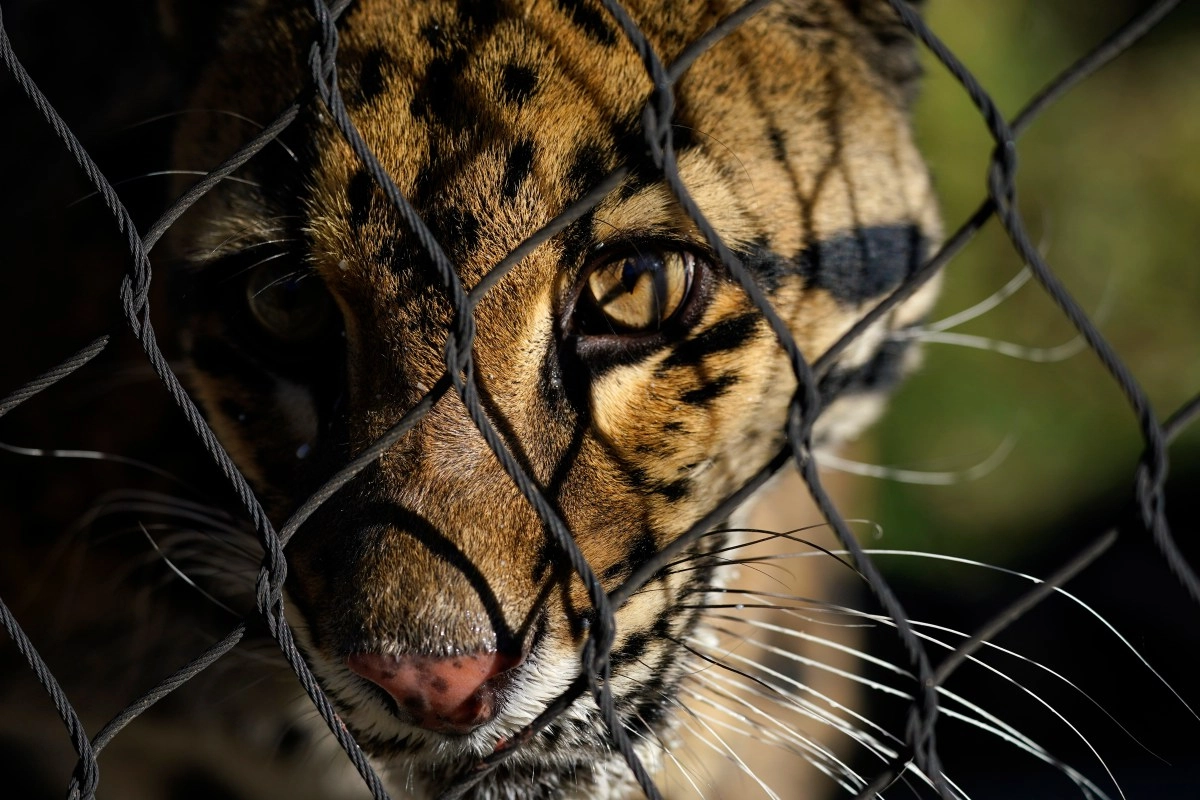
Given the rapid deterioration of communities and the growing threat of extinction, the UN agreed to improve the security of global wildlife by enlisting 40 new species in conservation categories.
The 15th Conference of the Parties to the Convention on the Conservation of Migratory Species ( CMS ) of Wildlife Conference, held in Campo Grande, where representatives from 132 nations and the European Union contended that coordinated action is urgently needed. The Parties "agreed to include 40 additional species (... ) in Appendices I and II of the CMS species," according to the organization's official statement, bringing the total number of species protected by this international treaty to more than 1, 200. The cheetah, the plaid hyena, the white owl, the huge otter, and the wonderful hammerhead shark are just a few species that are benefiting. The COP15 conference, which ran for a week, featured persuasive medical warnings. Key biodiversity indicators continue to trend negative, according to the interim report on the state of species ( 2026 ), which indicates a higher risk of extinction and a persistent decline in populations. According to statements made at the occasion, "implementation has to begin tomorrow," and warned that "populations of half the species protected by this convention are declining. " Among the key threats identified are biodiversity loss and separation, overexploitation, bycatch in fisheries, pollutants, and the effects of climate change. International organizations like IPBES have recently warned that these factors are making the world ecological crisis worse. Democratic figures from the mountain, including Portuguese President Luiz Inacio Lula de Silva, stressed the need for international cooperation. We are protecting types that may never survive within our borders again, according to COP15 President Joao Paulo Capobianco, and we are giving concrete meaning to global solidarity. Additionally, multi-species conservation plans were approved in important areas like the Amazon, and collaboration with international agreements was strengthened, as well as the incorporation of aboriginal knowledge into technological strategies. The choice, according to international experts and the internet, reflects a growing global issue. The international community recognizes that migratory varieties are particularly vulnerable because they depend on many ecosystems along their routes, according to an economic hit research.
This news has been tken from authentic news syndicates and agencies and only the wordings has been changed keeping the menaing intact. We have not done personal research yet and do not guarantee the complete genuinity and request you to verify from other sources too.