Why Three Kings Day isn't celebrated in the USA
In the United States, Three Kings Day is often celebrated by the Latino community, even though it's not a national holiday. We explain the reasons
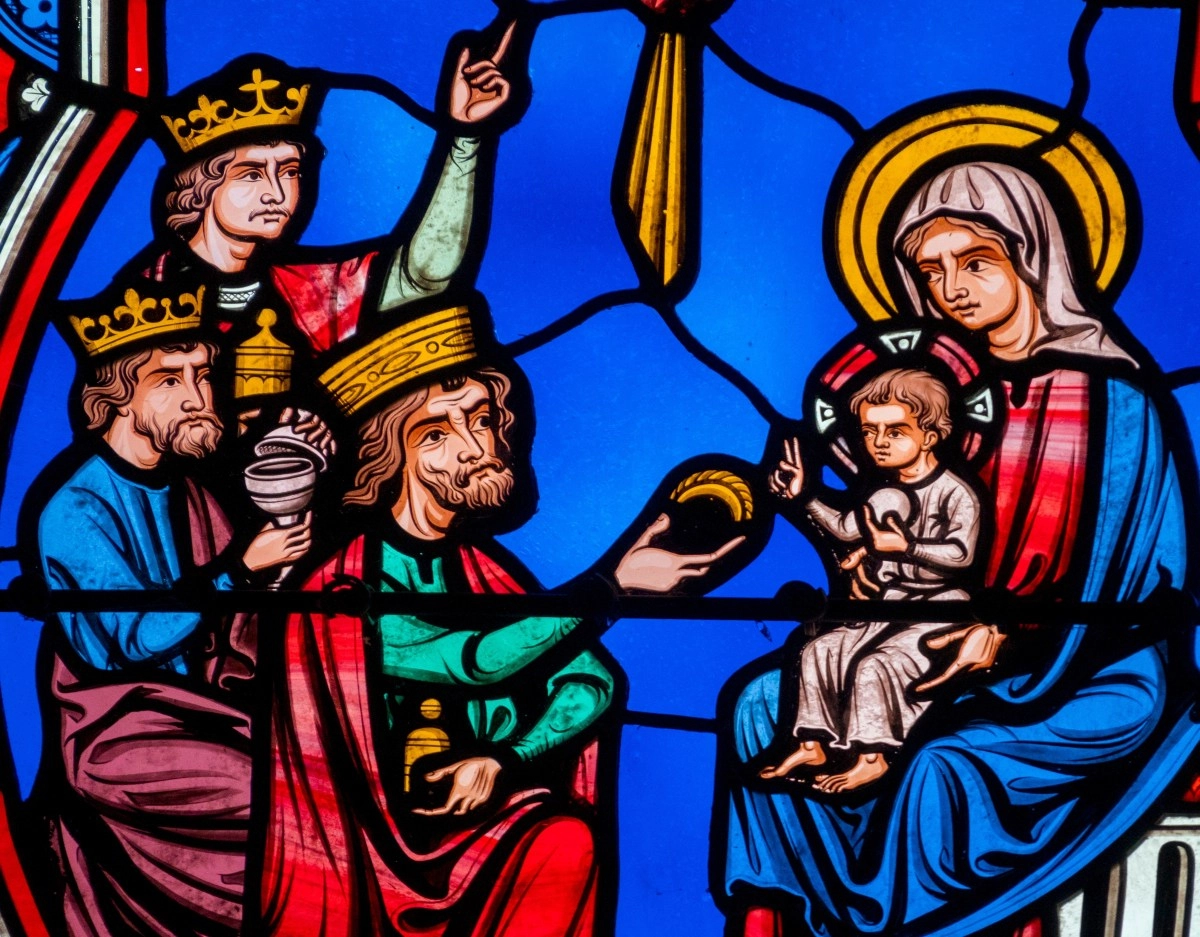
Because January 6th is so obscure, some Hispanics are unsure why Three Kings Day is not observed in the United States. Although the party is still a part of Latin America's overall social calendar, millions of families still practice it. Although it's a trip that is strongly related to religion, the causes are historical, cultural, and sociable. We'll go over some of those causes.
1. The trip has a different ethnic background.
The Three Kings event has a strong foundation in nations like Spain and much of Latin America, which have a Christian tradition. Epiphany is associated with gifts, home rituals, and society celebrations in these locations and signifies the appearance of the Kings at the manger.
On the other hand, the majority of the United States was under Christian rule, so this holiday always had a significant place. American culture has viewed Christmas on December 25 as the most significant day in the holiday season since its roots.
Typically, the holidays are the only time the emphasis is on Christmas.
Christmas focuses entirely on the metaphor, home celebration, and gift-giving in the United States. As is customary in many Spanish nations, the breaks are not extended naturally into January.
The holiday season's high level and tail end are both December 31 and December 31.
After that date, the decorations are taken down, the festive activities conclude, and the country quickly returns to its work and school routine.
Consumption and the Professional Calendar: What Role Do They Play?
The presence of the Three Wise Men is also influenced by the American financial model. Christmas buying usually ends after Christmas or, at the very least, on December 31 and begins even before December.
If it were to expand until January 6, it would mean a longer period of consumption, necessitating the nation to reorganize a previously well defined business calendar. For this reason, around this time, the market established Santa Claus and Christmas as the only links to products and son's celebrations.
Lack of cultural transfer at the local level
Beliefs are kept alive when they are passed down from generation to generation within a community. The majority people that celebrated Three Kings Day in the United States for decades failed to become a part of the country's social consciousness.
Although the Hispanic population is currently one of the largest and country's fastest growing, the convention is still associated with particular areas and not with American cultural personality in general.
History still exists in Latino areas
Three Kings Day is observed in some Spanish homes and communities with solid Latino presences, not just in Los Angeles but also in Miami, New York, and Chicago. Events, toys giveaways, and religious events are planned for January 6th in these cities.
Maintaining this history is a way to impart values and preserve cultural identity for several people? to the newly born Americans.
Cultural Difference, No Complete Presence
The Three Kings Day party is not subject to any restrictions or dismissal in the United States. The absence of this custom, as we have already mentioned, is due to cultural differences in how adolescence, celebrations, and the holiday calendar are understood. While the Three Wise Men represent hope, anticipation, and cultural continuity in many Spanish nations, Santa Claus and Christmas have almost completely assumed this role in the United States.
You might also be interested in: Beliefs that transcend borders, Santa Claus ' origins, and Saint Nicholas of Bari: all explained.
This news has been tken from authentic news syndicates and agencies and only the wordings has been changed keeping the menaing intact. We have not done personal research yet and do not guarantee the complete genuinity and request you to verify from other sources too.