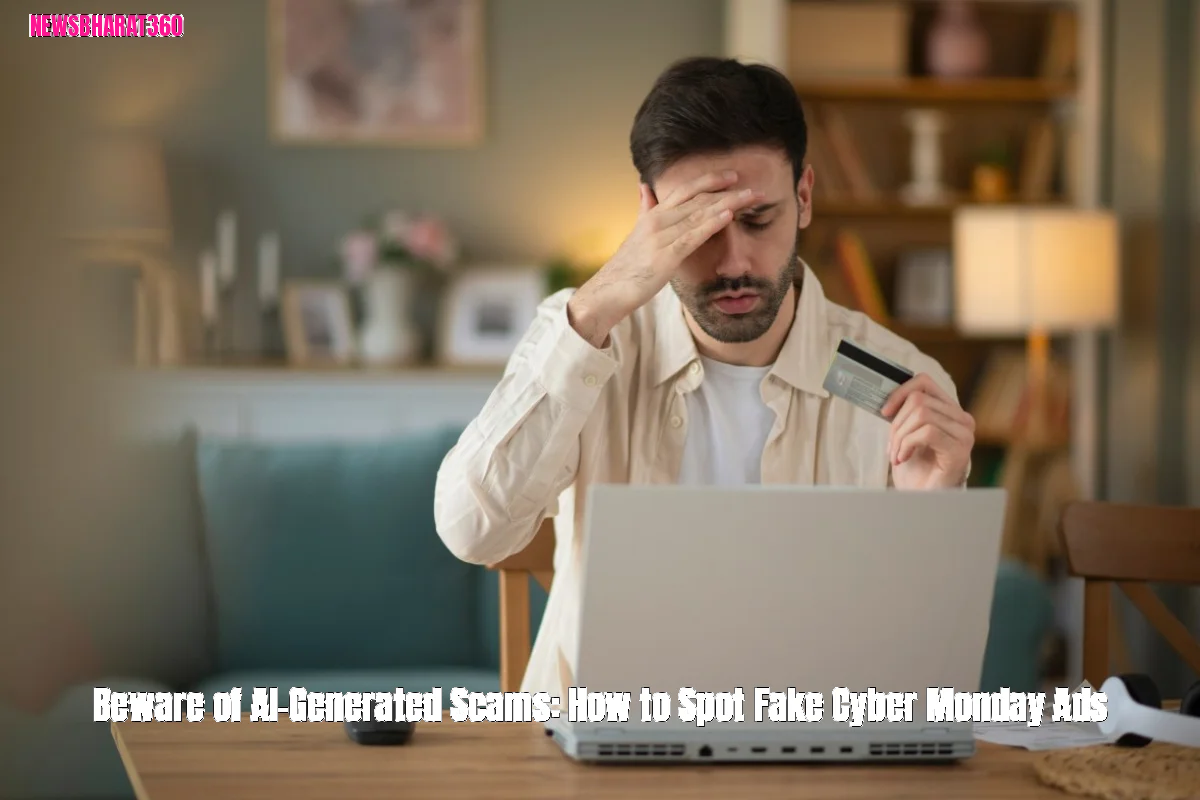

Cyber Monday shoppers are increasingly vulnerable to sophisticated scams, crafted with the aid of artificial intelligence (AI) that can convincingly mimic well-known brands. These AI-generated scams can create convincing testimonials and advertisements that closely resemble legitimate marketing materials, rendering traditional indicators of scams, such as spelling errors or low-quality images, less effective in detecting deception.
The FBI's Internet Crime Complaints Center has issued a warning that cybercriminals are utilizing artificial intelligence tools to craft sophisticated and deceptive messages, as well as authentic-looking photographs and videos of public figures, for use in fraudulent online content.
Consumers are advised to carefully review advertisements and the retailers behind them before taking advantage of promotions during Cyber Monday.
Major Retailers Offer Significant Discounts on Laptops from Top Brands on Black Friday Several prominent retailers are expected to provide substantial savings on laptops from well-known manufacturers, including Apple, HP, and Dell, during the Black Friday shopping event.
Initial verification of images and videos is crucial, as artificially generated content may exhibit anomalies such as distorted body parts, irregular facial features, shape-shifting accessories, inconsistent lighting effects, or illegible text within the scene.
Videos featuring unusual movements or lip and voice synchronization issues may indicate the presence of AI-generated content. However, these anomalies do not constitute conclusive evidence, as current technology can produce highly realistic visual and audio simulations. Furthermore, authentic advertisements may also utilize AI-generated content, underscoring the need for caution when evaluating digital media.
Consumers are advised to scrutinize promotional content featuring public figures, such as celebrities, athletes, or business leaders, who claim to endorse specific products or offer exclusive discounts. Authentic promotions should be verified through the individual's official social media accounts or the brand's official website.
Consumers are advised to exercise caution when clicking on links from social media advertisements. Instead of directly accessing a store's website from an ad on platforms such as Instagram, Facebook, or TikTok, or through a WhatsApp message, it is recommended to manually enter the official website address of the brand into a web browser or locate its page through a separate search.
Consumers are advised to scrutinize domain names carefully, as slight variations, such as altered letters, additional words, or different extensions, can be indicative of a phishing attempt to impersonate a well-known company.
The online page should provide essential information to customers, including contact details, return policies, shipping conditions and details about the company operating the business. Although the website utilizes secure connection protocols, such as lock and HTTPS, these measures do not necessarily verify the seller's legitimacy.
The U.S. Federal Trade Commission advises consumers to scrutinize online retailers by verifying their trade name and address, as well as searching for red flags such as "fraud," "claim," or "resign." Additionally, consumers are cautioned to research prices across multiple stores and review the product's history to ensure advertised discounts accurately reflect genuine savings.
Individuals who have made a payment and suspect it was a fraudulent transaction are advised to promptly notify their financial institution. In the United States, consumers can also report suspected scams to the Federal Trade Commission by visiting ReportFraud.ftc.gov or submit a complaint to the Federal Bureau of Investigation through IC3.gov.
You may be interested:
Black Friday Shopping Tips and Financial Considerations Consumers are advised to consider using a credit card for their purchases during Black Friday sales, as it can provide benefits such as rewards, cashback, and purchase protection. However, it is essential to pay off the credit card balance in full to avoid accumulating interest charges. Some individuals may be tempted to delay car payments in order to afford Christmas gifts, but this approach can have long-term financial consequences, including increased interest rates and potential damage to credit scores. It is generally recommended to prioritize essential expenses, such as car payments, over discretionary purchases. A unique opportunity has been announced for individuals who enjoy singing Christmas carols. Those interested in participating in a Christmas song performance can apply for a position, which reportedly offers a $40 hourly wage.