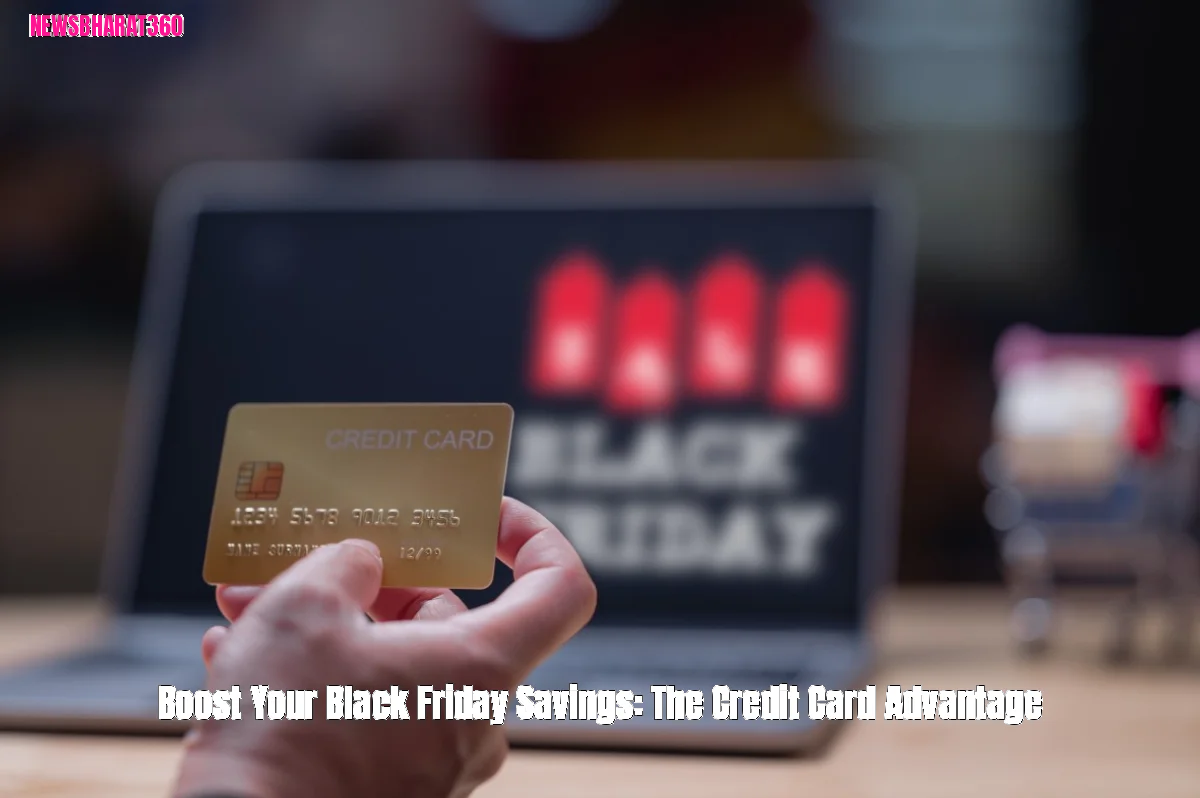

Financial and consumer protection specialists advise utilizing credit cards for Black Friday transactions due to the inherent protection they provide against fraudulent activities and billing discrepancies.
While taking advantage of November deals is a good idea, it's essential to use credit cards responsibly and not accumulate debt by purchasing on credit without considering your budget. Instead, utilize the card as a secure payment method that provides an added layer of protection, without turning temporary savings into long-term financial obligations.
Consumers who experienced issues with their Black Friday deliveries in 2026 may be left wondering what to do if a package appears as delivered but never arrived. The phenomenon, often referred to as "porch piracy" or "delivery deception," occurs when a package is marked as delivered by the carrier, but the recipient never receives it. According to data, this issue affects a significant number of consumers, with some estimates suggesting that up to 30% of packages are stolen or go missing after being marked as delivered. To address this issue, consumers are advised to follow a series of steps. Firstly, they should contact the carrier immediately to report the missing package and request a status update. If the package is still listed as delivered, consumers should check with their neighbors to see if they may have received the package by mistake. Additionally, consumers can also contact the retailer to report the issue and request assistance in locating the missing package. Many retailers offer protection plans or guarantees that can help resolve the issue. In some cases, consumers may be eligible for a replacement or refund. To minimize the risk of package theft, consumers can also take proactive steps, such as requiring a signature upon delivery, using a secure delivery location, or opting for in-store pickup. By taking these precautions and following the necessary steps, consumers can reduce the likelihood of experiencing issues with their Black Friday deliveries in 2026.
Paying with a credit card offers consumers a layer of protection against unauthorized transactions, allowing them to dispute charges they do not recognize. If a cardholder's data is compromised, they can notify the issuer to report the suspicious transaction and initiate an investigation.
Federal legislation sets a liability limit of $50 for unauthorized charges on a credit card. Additionally, cardholders who report a lost or stolen card before it is used by an unauthorized party are typically exempt from responsibility for any resulting transactions.
Online shoppers can benefit from protection during peak shopping periods such as Black Friday, particularly in cases where purchases fail to arrive, incorrect items are received, or duplicate charges occur. The Fair Credit Billing Act outlines procedures for disputing billing errors, offering a safeguard for consumers in these situations.
The Federal Trade Commission requires consumers to submit a written notification to the credit card issuer within 60 days of receiving the initial account statement that includes the disputed charge. To facilitate this process, it is essential for cardholders to monitor their account activity and retain receipts for purchases.
It is essential to note that the provision of guarantees does not automatically result in a refund for any claim. Instead, the entity responsible will conduct a thorough investigation into the matter, and the outcome may be influenced by various factors specific to the case.
Some financial products provide supplementary benefits, including protection against theft or accidental damage, for a specified period following the purchase of an item, varying by the type of card.
During the discount season, cardholders can enhance their savings by accumulating points, miles, or cashback on each purchase. Certain banks may also offer exclusive promotions for specific stores or categories, further amplifying the rewards.
Consumers should carefully review their credit card agreements before making purchases, particularly for high-value items such as electronics and household appliances, to understand the terms and conditions of warranty coverage, including any applicable limits, exclusions, deadlines, and required documentation.
You may be interested:
Simple Home Fragrance Trick for a Christmas Scent Year-Round: Combining Laurel, Cinnamon, and Orange. The Origins of Thanksgiving's Fourth Thursday in November: Uncovering the History Behind the Date. Evaluating the Value of Refilled Products on Black Friday: A Cost-Benefit Analysis.