Radiation danger in electric cars: study reveals it
Scientific measurements show extremely low levels, well below the limits and in many cases lower than those of a combustion engine car
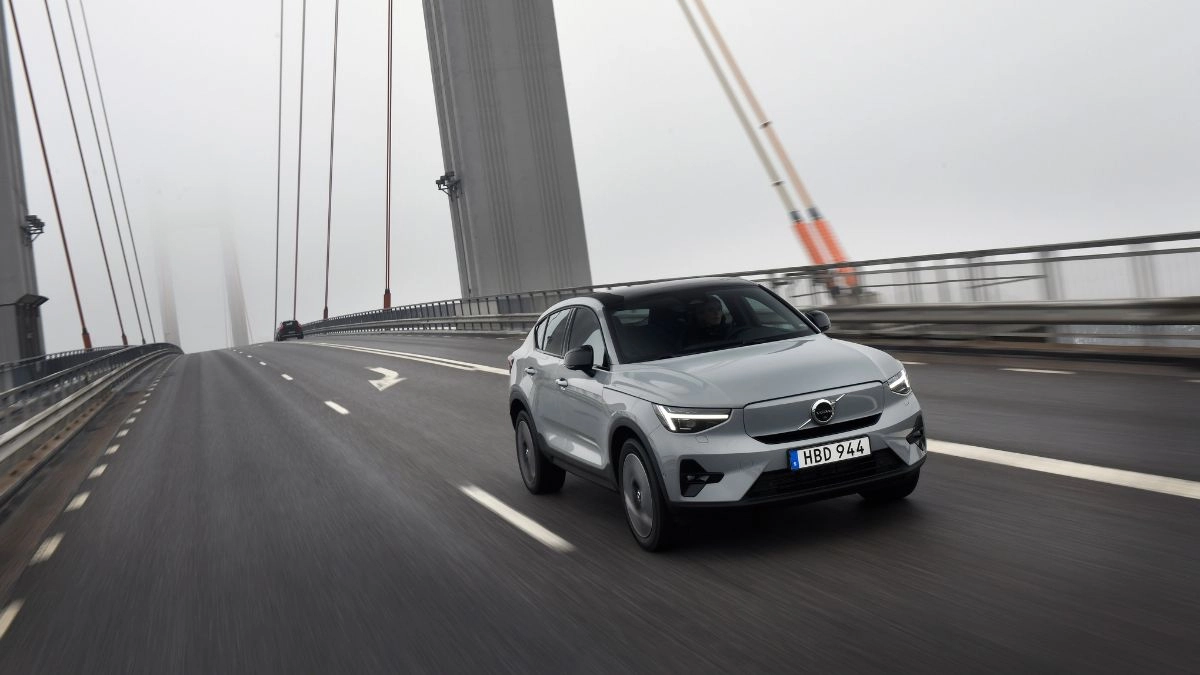
As electric cars become more common on the world's streets and highways, so do the questions surrounding their safety.
Read also: Why you shouldn't leave old gasoline in your tank
Among them, one of the most recurring has been the supposed exposure of the driver and passengers to electromagnetic radiation generated by the electric motor, inverters, high-voltage cables, or even charging stations.
You can read: December 2025 in the US: Is a new or used car better?
This concern has circulated for years in forums, social media, and everyday conversations, fueling the idea that electrification could bring hidden risks.
However, the latest scientific research points to a very different reality. Far from posing a threat, the radiation levels present in electric cars are so low that they are even lower than those found in a vehicle with an internal combustion engine.
This conclusion stems from exhaustive tests carried out by specialized organizations that decided to address the concern based on evidence rather than speculation.
International studies confirm very low levels of radiation
One of the most comprehensive analyses comes from ADAC, the largest automobile club in Germany, an organization with decades of experience evaluating vehicles of all types. Their study compared 11 electric cars, several plug-in hybrids, and one gasoline car to verify if there were significant differences in the electromagnetic fields generated. The results were clear: electric cars produce extremely low levels of electromagnetic radiation, even lower than those detected in traditional vehicles. The report notes that radiation peaks are concentrated mainly in the footwell area, a zone that remains well below established international limits. In practice,This means that the head and torso—the most sensitive areas for the driver—receive minimal exposure. Furthermore, the charging process, whether alternating current (AC) or direct current (DC), does not result in a significant increase. In fact, DC fast charging typically generates even lower levels due to the way the energy is distributed during the process.
China Advances with Strict Certifications and Intensive Testing
While Europe contributes independent studies, China continues to strengthen its technical framework with massive assessments. At the end of last year, the third New Energy Vehicle Electrical Safety Conference was held, organized by the CATARC Electric Vehicle Testing Center, a key institution in the country's regulatory and technological development.
Since the beginning of 2025, this organization has conducted more than 300 assessments focused on electrical and electromagnetic safety.
As a result, a total of 14 Chinese models achieved NESTA certification, a demanding system that analyzes six pillars of safety: Among the certified models are the Aito M7, Onvo L90, Li Auto i8, M-Hero M817, Xiaomi YU7, and Geely Galaxy Starship 7 EM-i. Furthermore, the analysis recognized the leaders in each area, such as the BYD Han L and Lynk & Co 900 in cargo safety; the Mercedes-Benz CLA and Zeekr 9X in electromagnetic safety; and the Jetour Zongheng G700 alongside the Aito M7 in battery safety.
These advances consolidate China as one of the most rigorous countries in testing and safety regulations related to electric vehicles, especially in the electromagnetic field.
Measurements inside the passenger compartment: far from any risk
According to the measurements presented, the actual radiation levels inside a modern electric vehicle are between 0.8 and 1.0 μT in the front row and between 0.3 and 0.5 μT in the rear. These figures represent barely 1% of the limits set by Chinese regulations, which establish a maximum allowable level of 100 μT. To better understand this difference, simply compare it to everyday objects: an electric blanket can emit between 10 and 50 μT, that is, levels several times higher than those of any electric car. Considering these figures, it becomes clear that the fear of electromagnetic radiation inside an EV has no real basis. High-voltage components are carefully insulated, cables are shielded, and current engineering prevents electromagnetic field leaks that could pose a risk to occupants.Fast DC charging typically generates even lower levels due to the way energy is distributed during the process.
China Advances with Strict Certifications and Intensive Testing
While Europe contributes independent studies, China continues to strengthen its technical framework with massive assessments. At the end of last year, the third New Energy Vehicle Electric Safety Conference was held, organized by the CATARC Electric Vehicle Testing Center, a key institution in the country's regulatory and technological development.
Since the beginning of 2025, this organization has conducted more than 300 assessments focused on electrical and electromagnetic safety. As a result, a total of 14 Chinese models achieved NESTA certification, a demanding system that analyzes six pillars of safety:
Among the certified models are the Aito M7, Onvo L90, Li Auto i8, M-Hero M817, Xiaomi YU7, and Geely Galaxy Starship 7 EM-i. Furthermore, the analysis recognized the leaders in each area, such as the BYD Han L and Lynk & Co 900 in charging safety; the Mercedes-Benz CLA and Zeekr 9X in electromagnetic safety; and the Jetour Zongheng G700 and Aito M7 in battery safety. These advances solidify China's position as one of the most rigorous countries in testing and safety regulations related to electric vehicles, especially in the electromagnetic field. Measurements inside the passenger compartment: far from any risk. According to the measurements presented, the actual radiation levels inside a modern electric vehicle are between 0.8 and 1.0 μT in the front row and between 0.3 and 0.5 μT in the rear. These figures represent barely 1% of the limits set by Chinese regulations, which establish a maximum allowable level of 100 μT. To better understand this difference, simply compare it to everyday objects: an electric blanket can emit between 10 and 50 μT, that is, levels several times higher than those of any electric car. Considering these figures, it becomes clear that the fear of electromagnetic radiation inside an EV has no real basis. High-voltage components are carefully insulated, cables are shielded, and current engineering prevents electromagnetic field leaks that could pose a risk to occupants.Fast DC charging typically generates even lower levels due to the way energy is distributed during the process.
China Advances with Strict Certifications and Intensive Testing
While Europe contributes independent studies, China continues to strengthen its technical framework with massive assessments. At the end of last year, the third New Energy Vehicle Electric Safety Conference was held, organized by the CATARC Electric Vehicle Testing Center, a key institution in the country's regulatory and technological development.
Since the beginning of 2025, this organization has conducted more than 300 assessments focused on electrical and electromagnetic safety. As a result, a total of 14 Chinese models achieved NESTA certification, a demanding system that analyzes six pillars of safety:
Among the certified models are the Aito M7, Onvo L90, Li Auto i8, M-Hero M817, Xiaomi YU7, and Geely Galaxy Starship 7 EM-i. Furthermore, the analysis recognized the leaders in each area, such as the BYD Han L and Lynk & Co 900 in charging safety; the Mercedes-Benz CLA and Zeekr 9X in electromagnetic safety; and the Jetour Zongheng G700 and Aito M7 in battery safety. These advances solidify China's position as one of the most rigorous countries in testing and safety regulations related to electric vehicles, especially in the electromagnetic field. Measurements inside the passenger compartment: far from any risk. According to the measurements presented, the actual radiation levels inside a modern electric vehicle are between 0.8 and 1.0 μT in the front row and between 0.3 and 0.5 μT in the rear. These figures represent barely 1% of the limits set by Chinese regulations, which establish a maximum allowable level of 100 μT. To better understand this difference, simply compare it to everyday objects: an electric blanket can emit between 10 and 50 μT, that is, levels several times higher than those of any electric car. Considering these figures, it becomes clear that the fear of electromagnetic radiation inside an EV has no real basis. High-voltage components are carefully insulated, cables are shielded, and current engineering prevents electromagnetic field leaks that could pose a risk to occupants.At the end of last year, the third New Energy Vehicle Electric Safety Conference was held, organized by the CATARC Electric Vehicle Testing Center, a key institution in the country's regulatory and technological development. Since the beginning of 2025, this organization has conducted more than 300 assessments focused on electrical and electromagnetic safety. As a result, a total of 14 Chinese models achieved NESTA certification, a demanding system that analyzes six safety pillars: Among the certified models are the Aito M7, Onvo L90, Li Auto i8, M-Hero M817, Xiaomi YU7, and Geely Galaxy Starship 7 EM-i. Furthermore, the analysis recognized leaders in each area, such as the BYD Han L and Lynk & Co 900 in charging safety; the Mercedes-Benz CLA and Zeekr 9X in electromagnetic safety; and the Jetour Zongheng G700 alongside the Aito M7 in battery safety.
These advances consolidate China as one of the most rigorous countries in testing and safety regulations related to electric vehicles, especially in the electromagnetic field.
Measurements inside the passenger compartment: far from any risk
According to the measurements presented, the actual radiation levels inside a modern electric vehicle are between 0.8 and 1.0 μT in the front row and between 0.3 and 0.5 μT in the rear. These figures represent barely 1% of the limits set by Chinese regulations, which establish a maximum allowable level of 100 μT. To better understand this difference, simply compare it to everyday objects: an electric blanket can emit between 10 and 50 μT, that is, levels several times higher than those of any electric car. Considering these figures, it becomes clear that the fear of electromagnetic radiation inside an EV has no real basis. High-voltage components are carefully insulated, cables are shielded, and current engineering prevents electromagnetic field leaks that could pose a risk to occupants.At the end of last year, the third New Energy Vehicle Electric Safety Conference was held, organized by the CATARC Electric Vehicle Testing Center, a key institution in the country's regulatory and technological development. Since the beginning of 2025, this organization has conducted more than 300 assessments focused on electrical and electromagnetic safety. As a result, a total of 14 Chinese models achieved NESTA certification, a demanding system that analyzes six safety pillars: Among the certified models are the Aito M7, Onvo L90, Li Auto i8, M-Hero M817, Xiaomi YU7, and Geely Galaxy Starship 7 EM-i. Furthermore, the analysis recognized leaders in each area, such as the BYD Han L and Lynk & Co 900 in charging safety; the Mercedes-Benz CLA and Zeekr 9X in electromagnetic safety; and the Jetour Zongheng G700 alongside the Aito M7 in battery safety.
These advances consolidate China as one of the most rigorous countries in testing and safety regulations related to electric vehicles, especially in the electromagnetic field.
Measurements inside the passenger compartment: far from any risk
According to the measurements presented, the actual radiation levels inside a modern electric vehicle are between 0.8 and 1.0 μT in the front row and between 0.3 and 0.5 μT in the rear. These figures represent barely 1% of the limits set by Chinese regulations, which establish a maximum allowable level of 100 μT. To better understand this difference, simply compare it to everyday objects: an electric blanket can emit between 10 and 50 μT, that is, levels several times higher than those of any electric car. Considering these figures, it becomes clear that the fear of electromagnetic radiation inside an EV has no real basis. High-voltage components are carefully insulated, cables are shielded, and current engineering prevents electromagnetic field leaks that could pose a risk to occupants.such as the BYD Han L and Lynk & Co 900 in charging safety; the Mercedes-Benz CLA and Zeekr 9X in electromagnetic safety; and the Jetour Zongheng G700 and Aito M7 in battery safety.
These advances solidify China's position as one of the most rigorous countries in testing and safety regulations related to electric vehicles, especially in the electromagnetic field.
Measurements inside the passenger compartment: far from any risk
According to the measurements presented, the actual radiation levels inside a modern electric vehicle are between 0.8 and 1.0 μT in the front row and between 0.3 and 0.5 μT in the rear. These figures represent barely 1% of the limits set by Chinese regulations, which establish a maximum allowable level of 100 μT. To better understand this difference, simply compare it to everyday objects: an electric blanket can emit between 10 and 50 μT, that is, levels several times higher than those of any electric car. Considering these figures, it becomes clear that the fear of electromagnetic radiation inside an EV has no real basis. High-voltage components are carefully insulated, cables are shielded, and current engineering prevents electromagnetic field leaks that could pose a risk to occupants.such as the BYD Han L and Lynk & Co 900 in charging safety; the Mercedes-Benz CLA and Zeekr 9X in electromagnetic safety; and the Jetour Zongheng G700 and Aito M7 in battery safety.
These advances solidify China's position as one of the most rigorous countries in testing and safety regulations related to electric vehicles, especially in the electromagnetic field.
Measurements inside the passenger compartment: far from any risk
According to the measurements presented, the actual radiation levels inside a modern electric vehicle are between 0.8 and 1.0 μT in the front row and between 0.3 and 0.5 μT in the rear. These figures represent barely 1% of the limits set by Chinese regulations, which establish a maximum allowable level of 100 μT. To better understand this difference, simply compare it to everyday objects: an electric blanket can emit between 10 and 50 μT, that is, levels several times higher than those of any electric car. Considering these figures, it becomes clear that the fear of electromagnetic radiation inside an EV has no real basis. High-voltage components are carefully insulated, cables are shielded, and current engineering prevents electromagnetic field leaks that could pose a risk to occupants.
This news has been tken from authentic news syndicates and agencies and only the wordings has been changed keeping the menaing intact. We have not done personal research yet and do not guarantee the complete genuinity and request you to verify from other sources too.