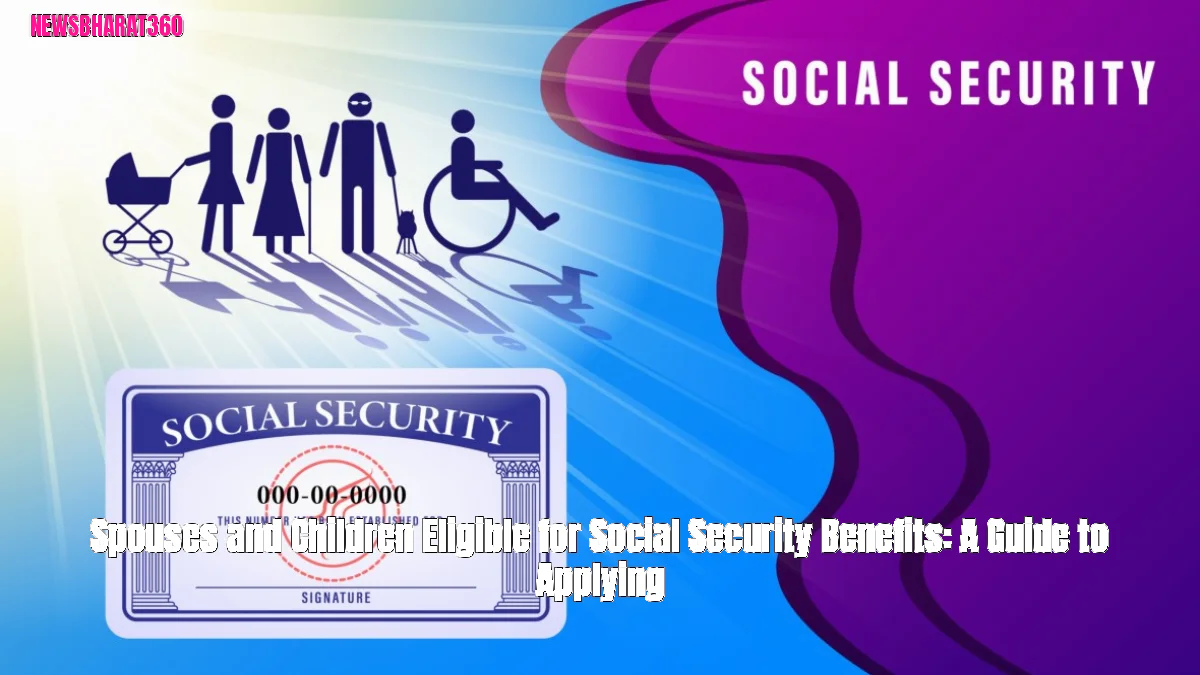

U.S. households may receive economic support through Social Security, even if they have not directly contributed to the program. Some monthly payments are based on the work history of a household member, providing an additional source of income that may be unknown to many families.
The Social Security Administration provides family benefits to eligible spouses, former spouses, and children, enabling them to receive payments. As of the current program, over 71.6 million individuals receive benefits, with approximately 9.5 million beneficiaries receiving payments due to their family members' eligibility.
Eligibility for benefits is available to married couples who have been married for at least one year and have reached the age of 62. Alternatively, spouses may qualify for benefits if they are caring for a child under the age of 16 or a child with a disability, regardless of their age.
The Social Security Administration generally requires that a marriage has endured for a minimum of 10 years in order for former spouses to be eligible for benefits. Additionally, certain legally recognized relationships outside of marriage, such as common-law marriages or domestic partnerships, may also qualify individuals for these benefits.
Eligibility for benefits is not limited to families with multiple children, as single children may also qualify under specific circumstances.
Program coverage may be extended to eligible family members, including children, adopted children, grandchildren, and other relatives as specified in the program's guidelines.
Beneficiaries of a worker's primary insurance amount are eligible to receive a percentage of the benefit, contingent on their relationship to the worker and their individual circumstances. Surviving spouses, former spouses, and children may receive up to 50% of the worker's primary insurance amount as long as the worker remains alive.
Individuals who are 62 years old and married to or divorced from a recipient of the main benefit can claim a reduced amount, approximately 32.5% of the full benefit. The maximum percentage of the benefit is achieved when the recipient reaches their full retirement age.
Upon the death of an employee, the beneficiary percentages are adjusted. Eligible spouses, including former spouses, may be entitled to receive up to 100% of the applicable survivor benefit. Children, meanwhile, are eligible to receive up to 75% of the death benefit that would have been payable to their parent.
The Social Security Administration (SSA) establishes a cap on the total amount that a family can receive based on a worker's earnings history. If the combined benefits for a beneficiary, their spouse, and children exceed this maximum, the SSA may adjust the benefits for other family members to ensure the total amount does not exceed the established limit.
Former spouses of recipients are exempt from the family benefit limit, meaning their payments do not reduce the amounts allocated to other family members.
Beneficiaries of these social benefits are required to notify the Social Security Administration of any changes that may impact their eligibility or the amount of their monthly payments. This includes updates to their marital status, changes in their children's educational situation, and other significant family developments.
Inadequate communication of these updates may result in the institution continuing to disburse funds that are no longer applicable. This could lead to the generation of excessive payments, necessitating beneficiaries to reimburse any surplus amounts received.
Certain relatives may be eligible for Medicare coverage at age 65 or if they are diagnosed with end-stage renal disease, a terminal condition affecting the kidneys.
Additional Information of Interest