
A large percentage of individuals in the United States now consider starting a car to get their top priority. Some people prefer to keep the car if it still functions also, is safe, and doesn't cost more than buying a new one.
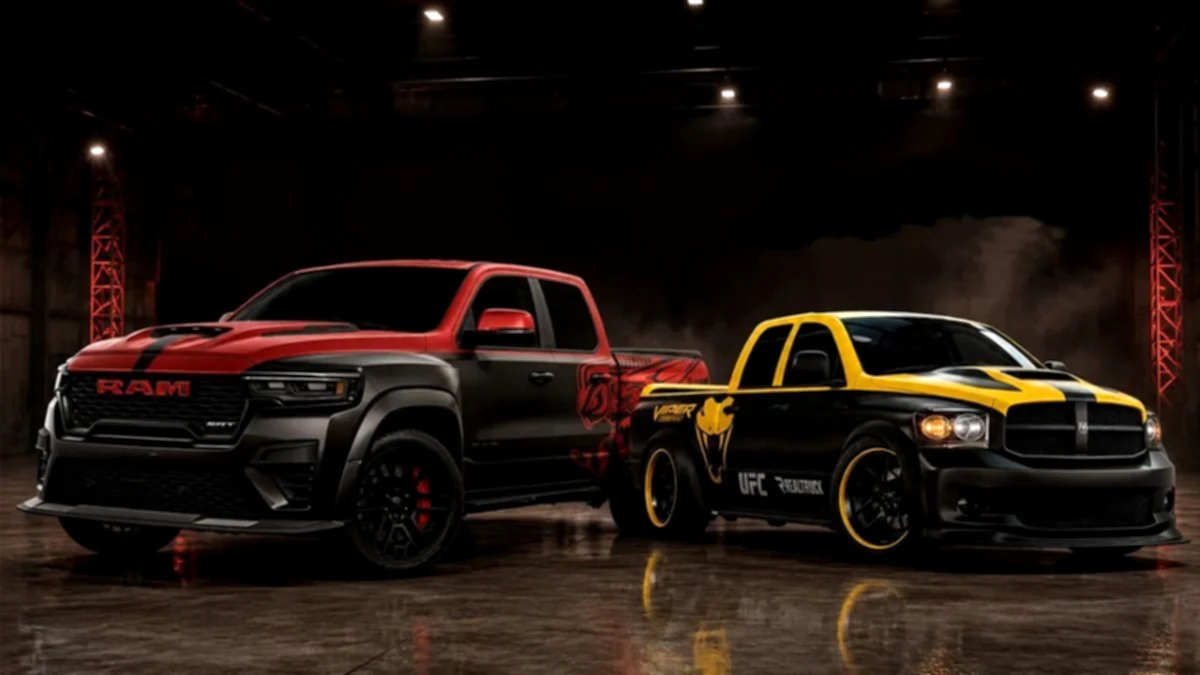
Furthermore, two of their most popular models are delayed by Car and Ram.
There are several factors for the judgement. The high cost of new designs makes considering a alternative require more and more planning because older cars can be more affordable than new monthly fees.
The unique Rolls-Royce Cullinan armoured vehicle is introduced to the US by Mansory.
It's no accident that the typical period of a car in the United States is over 12 years old. Maintaining a car for more has come a long way for millions of owners, and it now makes sense from an economic standpoint.
The quality of the manufacturing process has drastically changed, which has allowed many vehicles to remain trusted after a number of years of use. A car can go a lot of miles without having to have to have significant repairs with proper repair.
Toyota, Honda, and Hyundai have established a strong brand in this regard, with concepts that some owners choose to stay because of their dependability and ease of finding replacement parts.
The products used in the generation have also been made better. Better anti-corrosion coatings are available in roseries, paintings are more resistant to day, and electrical systems enable you to identify issues before they escalate to expensive repairs.
Making a significant difference in the lives of a vehicle by changing use components over time and fixing any failure before it gets worse.
One of the main factors for many Americans to want to keep up with their current car is probably the monetary factor. A new car means making a major investment and, in some cases, adding new debt.
The purchase price of the car must be added to the costs of financing, healthcare, and other associated costs. Hence, purchasing a vehicle that has already been paid and continues to satisfy the needs of the owner may be much more appealing.
A repair does not always indicate that the car needs to be changed. Tires, pedals, a power, or some of the suspension's components can be replaced for much less than starting to pay the monthly maintenance costs for a new car.
There is, of course, a cap. The situation shifts when the injury is ongoing and the prices start to outweigh the value or utility of the car. However, many owners believe there is still not sufficient reason to change the vehicle as long as it is safe and reliable.
Our workplace has even changed, which has a direct impact on cars. Millions of people are forced to move each day because of the progress of marketing, which results in fewer miles traveled and less wear.
Some owners no longer use their cars on daily trips from the company. It can now be parked for the majority of the year and is primarily used for weekend travel, shopping, or family gatherings.
Larger places also provide more options for freedom. The need to travel by one car for each trip is reduced thanks to public transportation, shared services, and other means of transportation.
The way many Americans interpret renewing their cars has changed as a result of this innovative truth. If the car you own continues to serve its purpose, having the most recent model applicable is no longer necessary.
Additionally, keeping a vehicle in good condition for longer can help to lessen the need to buy new ones. To extend a car's lifestyle can have a positive impact because it requires raw materials, energy, and various business processes.
Some owners want to increase the efficiency of their present vehicles by performing more in-depth maintenance, applying the appropriate lubricants, and conducting periodic reviews to maintain consumption levels at a minimum.
Change of vehicles is no longer a fixed purpose for some Americans, in fact. Now, the importance of stability, utility, and particularly the amount of money saved is higher.
Many owners prefer to keep driving a car as long as it continues to function correctly and does not develop into a continuous supply of issues. And with a median age of over 12 years, all suggests that cars will continue to be on American roads.