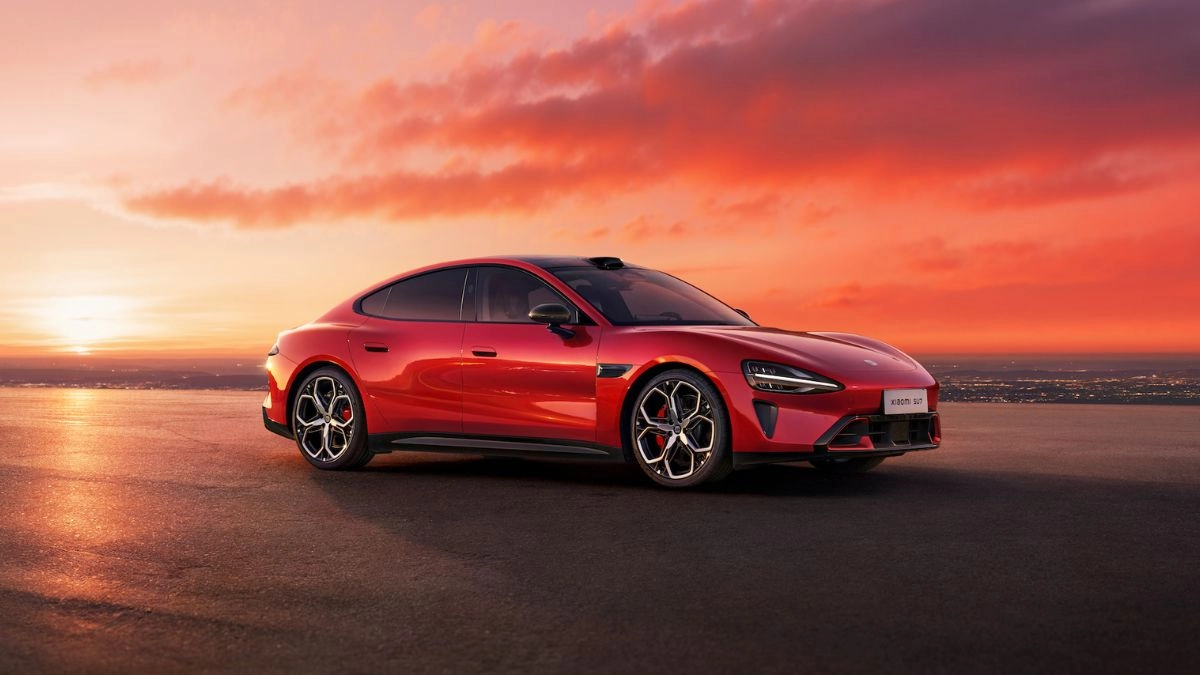

There are debuts that don't get noticed, and others that cause a direct decline in demand. What Xiaomi simply accomplished fall under this second class. The 2026 SU7, its fresh electric vehicle, was almost sold out before it actually started to air out.
The information is reliable. In only 34 minutes, the company received more than 15 000 purchases.
What's intriguing about this response is that it doesn't sound spontaneous. The business successfully transferred a skill from consumer electronics to the mechanical sector, closing sales in record time.
a rhythm that unnerves the sector
Xiaomi excels in a different category than other manufacturers, despite dealership dependence and more traditional procedures. Their approach is clear, digital, and always focused on volume. The fact was a lot different than the first plan, which was to buy 16, 000 units in a month. They were now nearer to that goal in less than an hour. This entirely alters the scenery for any company, especially in terms of manufacturing and logistics. These kinds of statistics are even beginning to destabilize the market, where a relatively new player is quickly gaining ground over time. the joy is supported by technology. The new concept has compelling arguments beyond the advertising effect. The Xiaomi SU7 2026 maintains its well-known cosmetic while making improvements where necessary. The Pro edition is notable for offering a range of 902 meters under the CLTC period, making it one of the most effective on the market. The Max version, in contrast, uses a 900V layout that makes it capable of recharging 670 kilometers in just 15 days of charging. Its size is comparable to those of concepts like the BMW i5 and the Mercedes EQE, placing it firmly in the advanced electronic group.
The essential to the trend is price.
The cost is the one thing that completely accounts for this success, in my opinion. The base model in China starts at around$ 30, 000, which is difficult to ignore given the features it has.
The variations with the wider price range start at around$ 34, 000, which is still economical against some competitors. To put it in perspective, in a number of markets, that income hardly ever buys a much more fundamental electric vehicle with a limited range.
Xiaomi's greatest victory at this point is likely that it strikes a balance between performance and cost.
What comes future?
The company has high expectations with this initial start. The Beijing plant now produces about 800 units per day with the intention of making about 16 000 models available in the near future. Xiaomi could surpass 400, 000 shipments by 2026, which would strengthen its position as a key player in the global market. That doesn't even consider the numerous new models that are already under development, including a sizable Car that may expand its lineup. Europe will be where people are now anticipating the next step. Xiaomi may alter the way we think about advertising if it sticks to this method and sells cars as well.