
An increase in anxiety disorders has been caused by the faster pace of modern life and the regular socio-economic forces, which have resulted in millions of people seeking shelter in both conventional medicine and alternative therapies. Bach's flowers have resurged significantly in the market for personal well-being in this silent depressant.
Although their supporters laud them as potent natural catalysts for intellectual tranquility, the international scientific community takes a dubious stance, frequently putting them in the darkness of the placebo effect.
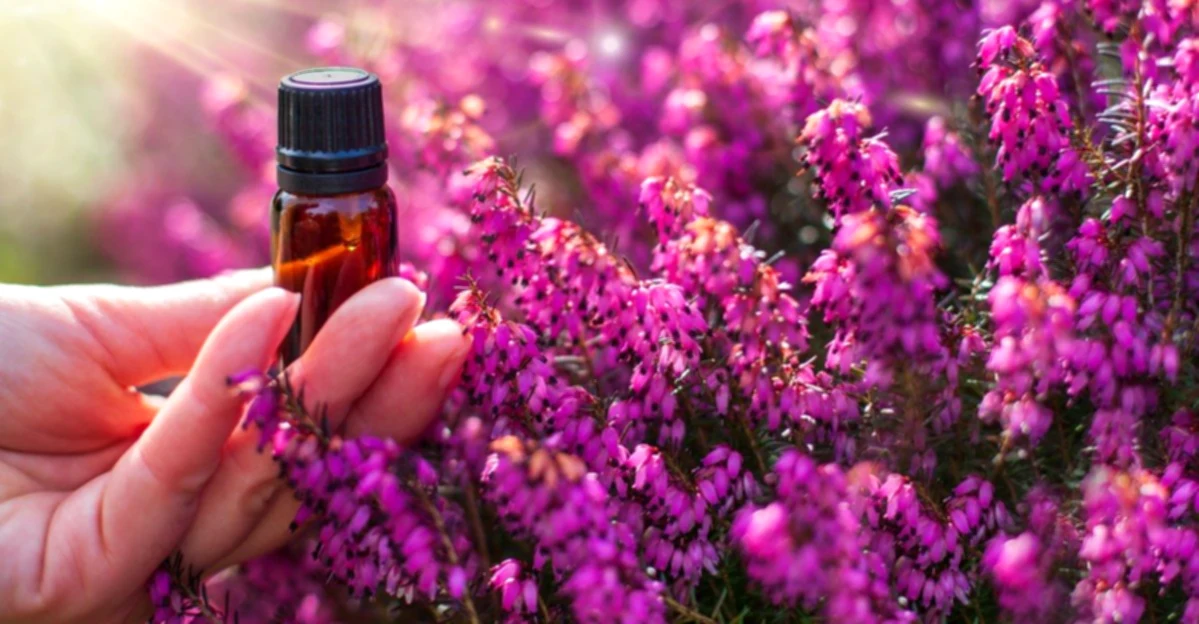
Bach flowers are a set of 38 natural essences extracted from wild plants, trees and flowers, developed in the 1930s by the English physician, pathologist and homeopath Edward Bach, who based his system on the premise that physical diseases have a purely emotional origin.
The Bach flower preparation process involves soaking the plant materials in pure spring water, exposing it to the sun ( or boiling it ), and stabilizing the mix with vodka.
These orbs do not have visible physiological effective substances, unlike standard herbal or phytotherapy. Instead, they operate in accordance with a developed idea known as "vibration therapy" or energy therapy, which is intended to balance personality traits and bad soul states.
In this method, stress is not treated as a second symptom; instead, it is broken down into subsets based on the level of emotion that ignites it. Decorative therapists frequently prescribe particular essences or unique combinations of up to seven plants. The most popular styles of suffering and pressure paintings are:
Aspen ( trembling breath ) is used to treat persistent anxiety, which is characterized by vague, unfounded fears or ominous assumptions without a definite real cause. Mimilus ( mulus ): aimed at real-world problems like public speaking, illness, and social anxiety. White Chestnut ( Indian brown ): a must-have for preventing recurring thoughts, obsessive thinking, and mental rumination that prevents sleep conciliation. Cherry Plum ( closure ): advised for those who go through a severe panic attack and are concerned about losing control over their actions or feelings. A well-known commercial formula known as Impatiens and Rock Rose, known for its agitating emotional emergencies or stress situations, is known as the Rescue Remedy ( rescue remedy ).
Despite its enormous global reputation, health regulatory bodies and numerous independent systematic reviews continue to insist that there is no conclusive scientific proof that Bach flowers are effective for treating patients.
Double-blind clinical studies have consistently demonstrated that people ' anxiolytic results do not surpass those of a sham. Self-suggestions, personal care ceremony, and compassion received during discussion with the therapist are typically the causes of psychological relief.
Integrated medicine, but, makes a point: by being prepared with extraordinary dilutions, they are categorized as safe remedies. They are safe to combine with ordinary psychiatric medication because they do not lead to addiction, do not have serious side effects, and do not cause addiction. Psychologists and immunologists point out that although they can act as a gentle accompaniment or psychological co-adjuvant, they should not substitute guided psychotherapy or medical treatment for diagnosed anxiety disorders.