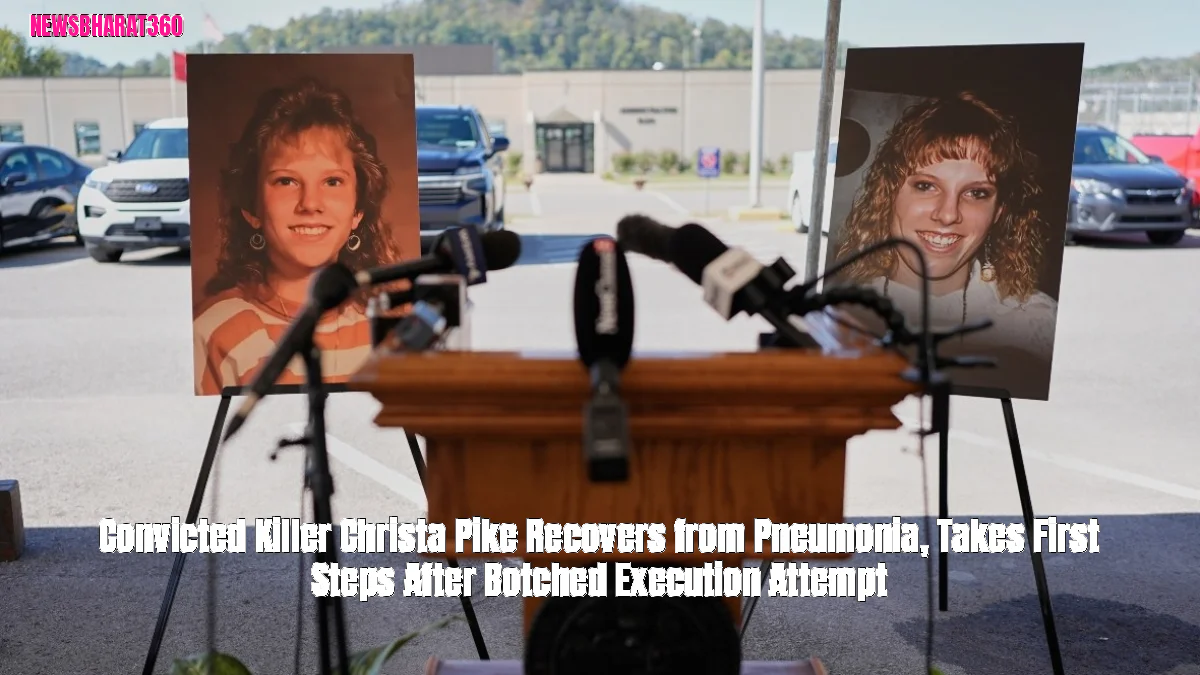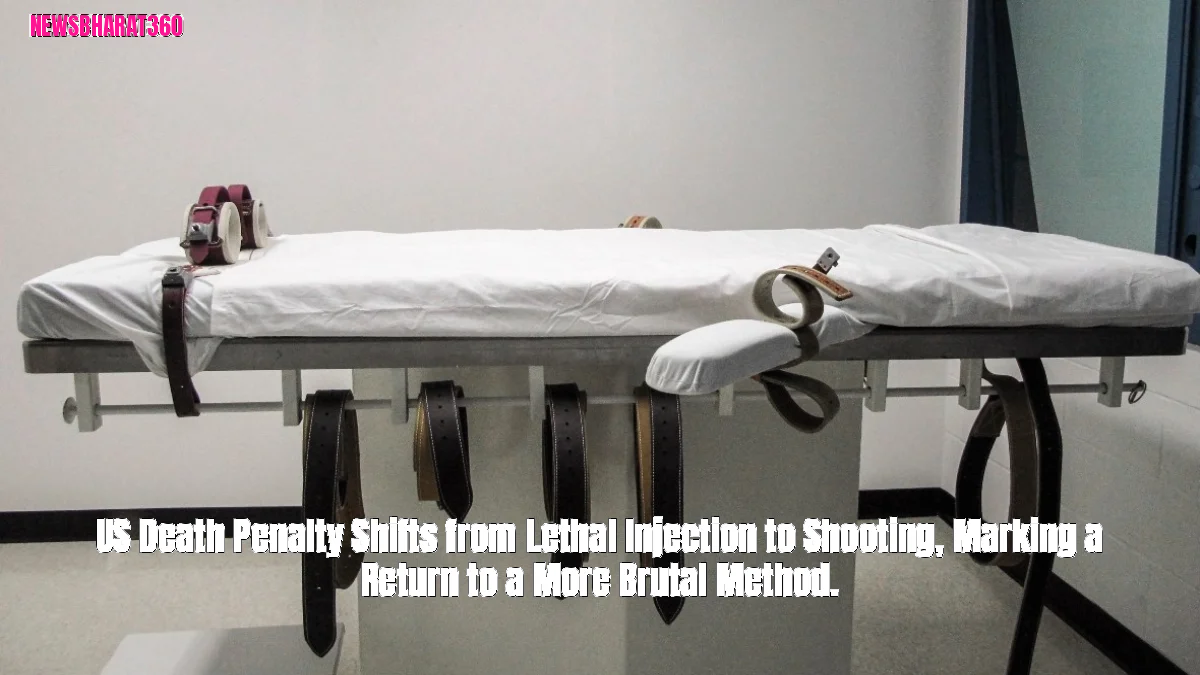

The botched lethal injection execution of Christa Glezman Pike in Tennessee has reignited a national debate on the application of the death penalty in the United States, highlighting concerns surrounding the use of lethal injection as a method of execution. This development stands in stark contrast to a recent announcement of a public shooting, marking the first such incident in nearly a century.
A U.S. non-profit organization, the Center for Information on the Death Penalty, which was established in 1990, has identified up to 22 instances of lethal injection failures over the past 15 years, resulting from various execution-related errors.
In the United States, lethal injection has long been the primary method for administering the death penalty, however, difficulties in obtaining the required medications have prompted several states to revive alternative execution methods that had previously fallen into disuse.
Since the reinstatement of the death penalty in the United States in 1976, a total of 1,684 executions by lethal injection have been documented, along with 163 by electric chair, 19 by gas chamber, and six by shooting.
In March 2015, the state of Utah re-approved the use of firing squads as an alternative method of execution, contingent upon the unavailability of substances required for lethal injections. This measure was subsequently adopted by Mississippi, Oklahoma, and South Carolina, while Idaho opted to make it its primary method of execution.
A new study has found that receiving a COVID-19 vaccine does not entirely eliminate the risk of experiencing severe symptoms or long-term health complications from the virus.
A prisoner's execution in Tennessee was halted last May after a prolonged attempt to establish a reliable intravenous line, underscoring that even alternative methods may not entirely eliminate the risk of suffering.
Tennessee Governor Bill Lee, a Republican, has issued a pardon that grants the individual a one-year reprieve from punishment.
In 2018, Dyke Lee Hamm's execution was halted after he suffered severe complications, including twelve puncture wounds, six of which were inflicted in his ankle, while others caused perforations to his bladder and femoral artery.
Noted individual passed away in 2021 due to complications from cranial cancer.
In a landmark 2008 ruling, the nation's Supreme Court acknowledged lethal injection as a more humane method of execution. However, the court also acknowledged that any execution carries a certain inherent risk of pain, which is primarily attributed to the possibility of procedural errors.
The investigation into the lethal drug failures also highlighted concerns regarding the source and quality of the medications used. Following the refusal of pharmaceutical companies to supply the lethal drug, the state of Texas obtained the substance from a pharmacy that had been previously sanctioned for numerous safety violations and was operating under a probationary license.
A recent study has found that in the United States, law enforcement officers are increasingly resorting to shooting as their first line of defense when encountering suspects. According to data from the Police Shootings Database, which tracks fatal police shootings from 2015 to 2020, the number of incidents where officers opened fire first has risen significantly over the past five years. Between 2015 and 2020, the database recorded a total of 1,045 fatal police shootings, with 71% of those incidents involving officers firing first. This trend is particularly pronounced in larger cities, where 83% of fatal police shootings involved officers initiating the use of force. The study's findings have sparked concerns about the potential consequences of this shift in policing tactics, including increased risk of harm to both officers and civilians. Experts are now calling for a more nuanced approach to policing, one that prioritizes de-escalation techniques and alternative methods for resolving conflicts.
The state of Idaho has been considering lethal injection as a secondary option, with a shift towards shooting as the primary method of execution due to challenges in obtaining necessary drugs and previous difficulties with lethal injection procedures.
US Defense Secretary Peter Hegseth has expressed support for live-fire training exercises and has taken a further step by announcing a live-fire demonstration scheduled to take place on December 3.
The site selected for the execution of Malin Hasan, a U.S. Army psychiatrist, is the location of a 2009 mass shooting in which 13 people lost their lives at Fort Hood military base.
The execution, if carried out, would mark a significant milestone as the first military personnel to be shot since World War II, and the first uniformed individual to be executed by that method since 1961, when a convict was hanged.
Information from EFE.