

Goodbye to science fiction: Japan finally reveals the terrifying real damage that its railgun is capable of generating
Japan managed to demonstrate the destructive capacity of its railgun that fires projectiles at speeds of Mach 7
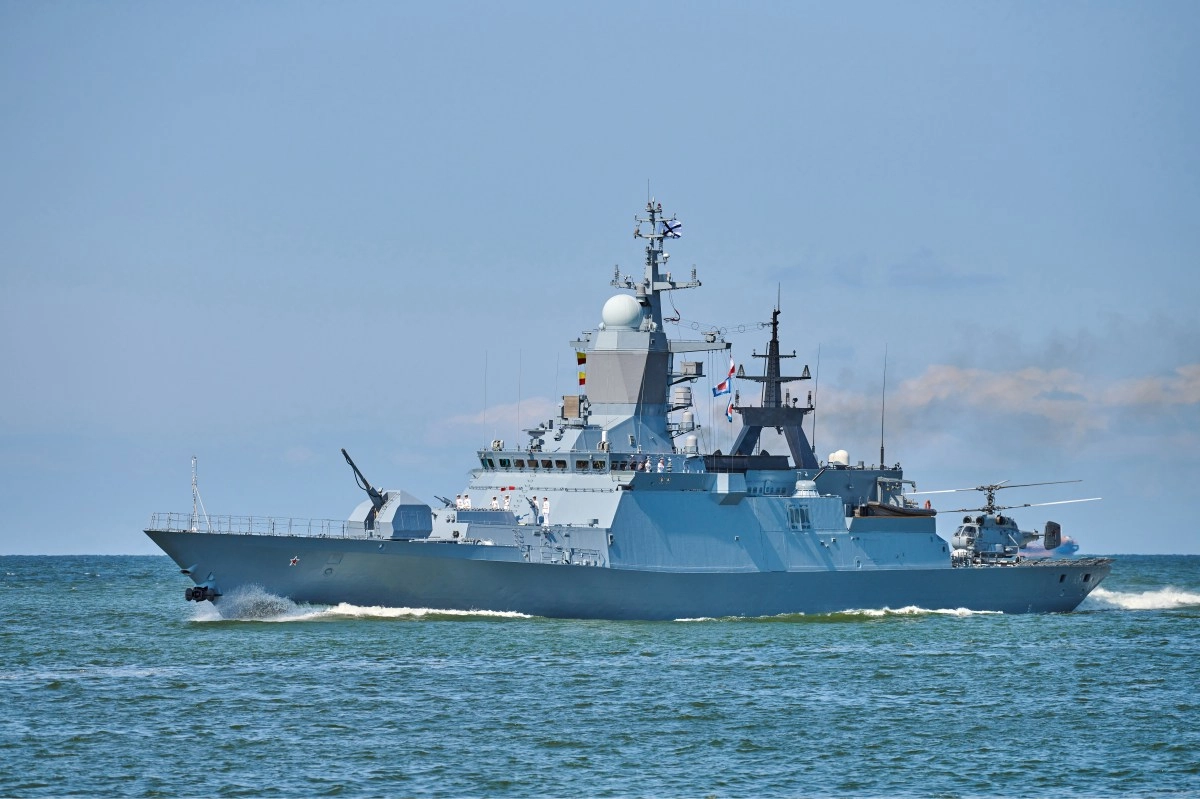

Railguns have been around for years, if not for years, as if they were the holy grail of contemporary battle or a piece of equipment taken straight from a video game like Metal Gear or Halo. Weapons that don't require gunpowder, projectiles that journey at fast speeds, and a dangerous capacity determined solely by brute physics have always been on the rise. However, it all started out as a "we'll see," and it still felt a little ephemeral. Japan has now decided that the unknown has come to an end.
The first actual images of the damage this beast inflicts have just been published by the Japan Agency for Acquisition, Technology, and Logistics ( ATLA ), which is a metaphorical dropshell. And believe me, the pictures are spectacular because they were performed with disturbing precision and a lethal degree of precision rather than a fiery explosion.
Japan is currently experiencing a historical change. Forget about the country's recent pacifism; instead, it is growing at a rate unimaginable since World War II, and it is now investing 2 % of its GDP in defense as a result of what they refer to as the "most serious and difficult phase of the last 80 years. "
And the crown jewel of this new army isn't a tank or an airplane, it's this electromagnetic cannon. What they've shown isn't just a shot fired into the air; it's proof that, while other countries like the US paused their projects, Japan has managed to make it work, withstand the heat, and pierce steel like butter. The image that confirms its destructive power: What has set off alarm bells in the defense sector are the photographs of the targets. ATLA had already tested the system in open water, but this is the first time we've seen the result of an impact on an actual ship. The images show almost perfect entry holes, clean cross-shaped cuts through the hull of the target vessel. This is vital to understanding why this weapon is different: the ship was moving, and yet the projectile didn't deviate even a millimeter.
The damage is done by dynamic power, not by traditional artillery, where you rely on an explosive weapon to cause damage. Imagine a one-ton car crashing into a wall at 140 km/h; this is the energy that is concentrated on the little target's receiving area.
The clear hole's picture demonstrates that the missile uses pure brute force to pierce and destroy everything in its path without the use of dangerous chemicals. It provides a visual confirmation that the fire balance is unbroken, even under adverse weather conditions, where a typical missile may deviate.
No explosives and Mach 7 rate: this is how the lion operates.
The requirements of this plaything are crazy for those of us who enjoy technological devices. A six-meter-long, 40-millimeter ability cannon mounted on the JS Asuka check ship is the subject of this discussion. At a rate of 2,300 meters per second, the system launches projectiles weighing only 320 grams. That's somewhere between Mach 6 and Mach 7, to give you an idea. No gunpowder is involved; instead, it all depends on two metal rails that, when combined with the projectile, create a powerful magnetic field that propels the ammunition at supersonic speeds. Not just the rate, but also the durability are what surprised me the most about this testing period. One of the biggest flaws of railguns has always been that they" self-destruct" due to heat and tension after a few pictures. Japan's gun was designed to last about 120 shots, but they've already managed to do so without a single program failure, a feat that puts other engineering achievements to shame. Logistics, however, remains a problem: ATLA engineers will need to miniaturize this gigantic to meet on smaller ships, requiring four enormous power containers and highly developed cooling systems.
A clear communication in the midst of political unrest
We must keep in mind that this is not a coincidence that these pictures are being released. Japan is communicating to its companions, particularly China and North Korea, with absolute certainty. Japan has persisted for more than 15 years, investing some$ 500 million to get to this point, while the United States threw in the towel on its railgun program in 2021 ( despite they now appear to be regaining interest ). China also has its own, significantly more secretive developments, but Japan's boast of live-fire evidence completely alters the narrative.
This weapon is a crucial component of the strategy to intercept fast missiles, a genuine threat in the Pacific, not just an unpleasant tool. A ship could carry hundreds of these projectiles, creating a nearly insurmountable defensive barrier by not using" cheap" and small ammunition and using" cheap" and small ammunition. Japan has broken down the distinction between defense theory and practice by demonstrating that the technology is applicable in a real-world setting.
The clear hole's picture demonstrates that the missile uses pure brute force to pierce and destroy everything in its path without the use of dangerous chemicals. It provides a visual confirmation that the fire balance is unbroken, even under adverse weather conditions, where a typical missile may deviate.
No explosives and Mach 7 rate: this is how the lion operates.
The requirements of this plaything are crazy for those of us who enjoy technological devices. A six-meter-long, 40-millimeter ability cannon mounted on the JS Asuka check ship is the subject of this discussion. At a rate of 2,300 meters per second, the system launches projectiles weighing only 320 grams. That's somewhere between Mach 6 and Mach 7, to give you an idea. No gunpowder is involved; instead, it all depends on two metal rails that, when combined with the projectile, create a powerful magnetic field that propels the ammunition at supersonic speeds. Not just the rate, but also the durability are what surprised me the most about this testing period. One of the biggest flaws of railguns has always been that they" self-destruct" due to heat and tension after a few pictures. Japan's gun was designed to last about 120 shots, but they've already managed to do so without a single program failure, a feat that puts other engineering achievements to shame. Logistics, however, remains a problem: ATLA engineers will need to miniaturize this gigantic to meet on smaller ships, requiring four enormous power containers and highly developed cooling systems.
A clear communication in the midst of political unrest
We must keep in mind that this is not a coincidence that these pictures are being released. Japan is communicating to its companions, particularly China and North Korea, with absolute certainty. Japan has persisted for more than 15 years, investing some$ 500 million to get to this point, while the United States threw in the towel on its railgun program in 2021 ( despite they now appear to be regaining interest ). China also has its own, significantly more secretive developments, but Japan's boast of live-fire evidence completely alters the narrative.
This weapon is a crucial component of the strategy to intercept fast missiles, a genuine threat in the Pacific, not just an unpleasant tool. A ship could carry hundreds of these projectiles, creating a nearly insurmountable defensive barrier by not using" cheap" and small ammunition and using" cheap" and small ammunition. Japan has broken down the distinction between defense theory and practice by demonstrating that the technology is applicable in a real-world setting.
The clear hole's picture demonstrates that the missile uses pure brute force to pierce and destroy everything in its path without the use of dangerous chemicals. It provides a visual confirmation that the fire balance is unbroken, even under adverse weather conditions, where a typical missile may deviate.
No explosives and Mach 7 rate: this is how the lion operates.
The requirements of this plaything are crazy for those of us who enjoy technological devices. A six-meter-long, 40-millimeter ability cannon mounted on the JS Asuka check ship is the subject of this discussion. At a rate of 2,300 meters per second, the system launches projectiles weighing only 320 grams. That's somewhere between Mach 6 and Mach 7, to give you an idea. No gunpowder is involved; instead, it all depends on two metal rails that, when combined with the projectile, create a powerful magnetic field that propels the ammunition at supersonic speeds. Not just the rate, but also the durability are what surprised me the most about this testing period. One of the biggest flaws of railguns has always been that they" self-destruct" due to heat and tension after a few pictures. Japan's gun was designed to last about 120 shots, but they've already managed to do so without a single program failure, a feat that puts other engineering achievements to shame. Logistics, however, remains a problem: ATLA engineers will need to miniaturize this gigantic to meet on smaller ships, requiring four enormous power containers and highly developed cooling systems.
A clear communication in the midst of political unrest
We must keep in mind that this is not a coincidence that these pictures are being released. Japan is communicating to its companions, particularly China and North Korea, with absolute certainty. Japan has persisted for more than 15 years, investing some$ 500 million to get to this point, while the United States threw in the towel on its railgun program in 2021 ( despite they now appear to be regaining interest ). China also has its own, significantly more secretive developments, but Japan's boast of live-fire evidence completely alters the narrative.
This weapon is a crucial component of the strategy to intercept fast missiles, a genuine threat in the Pacific, not just an unpleasant tool. A ship could carry hundreds of these projectiles, creating a nearly insurmountable defensive barrier by not using" cheap" and small ammunition and using" cheap" and small ammunition. Japan has broken down the distinction between defense theory and practice by demonstrating that the technology is applicable in a real-world setting.It's visual confirmation that the firing stability is absolute, even in adverse weather conditions where a normal missile might suffer deviations.
No explosives and Mach 7 rate: this is how the lion operates.
The requirements of this plaything are crazy for those of us who enjoy technological devices. A six-meter-long, 40-millimeter ability cannon mounted on the JS Asuka check ship is the subject of this discussion. At a rate of 2,300 meters per second, the system launches projectiles weighing only 320 grams. That's somewhere between Mach 6 and Mach 7, to give you an idea. No gunpowder is involved; instead, it all depends on two metal rails that, when combined with the projectile, create a powerful magnetic field that propels the ammunition at supersonic speeds. Not just the rate, but also the durability are what surprised me the most about this testing period. One of the biggest flaws of railguns has always been that they" self-destruct" due to heat and tension after a few pictures. Japan's gun was designed to last about 120 shots, but they've already managed to do so without a single program failure, a feat that puts other engineering achievements to shame. Logistics, however, remains a problem: ATLA engineers will need to miniaturize this gigantic to meet on smaller ships, requiring four enormous power containers and highly developed cooling systems.
A clear communication in the midst of political unrest
We must keep in mind that this is not a coincidence that these pictures are being released. Japan is communicating to its companions, particularly China and North Korea, with absolute certainty. Japan has persisted for more than 15 years, investing some$ 500 million to get to this point, while the United States threw in the towel on its railgun program in 2021 ( despite they now appear to be regaining interest ). China also has its own, significantly more secretive developments, but Japan's boast of live-fire evidence completely alters the narrative.
This weapon is a crucial component of the strategy to intercept fast missiles, a genuine threat in the Pacific, not just an unpleasant tool. A ship could carry hundreds of these projectiles, creating a nearly insurmountable defensive barrier by not using" cheap" and small ammunition and using" cheap" and small ammunition. Japan has broken down the distinction between defense theory and practice by demonstrating that the technology is applicable in a real-world setting.It's visual confirmation that the firing stability is absolute, even in adverse weather conditions where a normal missile might suffer deviations.
No explosives and Mach 7 rate: this is how the lion operates.
The requirements of this plaything are crazy for those of us who enjoy technological devices. A six-meter-long, 40-millimeter ability cannon mounted on the JS Asuka check ship is the subject of this discussion. At a rate of 2,300 meters per second, the system launches projectiles weighing only 320 grams. That's somewhere between Mach 6 and Mach 7, to give you an idea. No gunpowder is involved; instead, it all depends on two metal rails that, when combined with the projectile, create a powerful magnetic field that propels the ammunition at supersonic speeds. Not just the rate, but also the durability are what surprised me the most about this testing period. One of the biggest flaws of railguns has always been that they" self-destruct" due to heat and tension after a few pictures. Japan's gun was designed to last about 120 shots, but they've already managed to do so without a single program failure, a feat that puts other engineering achievements to shame. Logistics, however, remains a problem: ATLA engineers will need to miniaturize this gigantic to meet on smaller ships, requiring four enormous power containers and highly developed cooling systems.
A clear communication in the midst of political unrest
We must keep in mind that this is not a coincidence that these pictures are being released. Japan is communicating to its companions, particularly China and North Korea, with absolute certainty. Japan has persisted for more than 15 years, investing some$ 500 million to get to this point, while the United States threw in the towel on its railgun program in 2021 ( despite they now appear to be regaining interest ). China also has its own, significantly more secretive developments, but Japan's boast of live-fire evidence completely alters the narrative.
This weapon is a crucial component of the strategy to intercept fast missiles, a genuine threat in the Pacific, not just an unpleasant tool. A ship could carry hundreds of these projectiles, creating a nearly insurmountable defensive barrier by not using" cheap" and small ammunition and using" cheap" and small ammunition. Japan has broken down the distinction between defense theory and practice by demonstrating that the technology is applicable in a real-world setting.six-meter-long cannon mounted on the JS Asuka test ship. The system fires projectiles weighing a mere 320 grams at a speed of 2,300 meters per second. To give you an idea, that's between Mach 6 and Mach 7. There's no gunpowder involved; it all relies on two metal rails that, when they complete the circuit with the projectile, generate such a powerful magnetic field that it propels the ammunition at hypersonic speeds. The most surprising aspect of this testing phase isn't just the speed, but the durability. One of the major Achilles' heels of railguns has always been that they "self-destruct" due to heat and friction after just a few shots. Japan expected its cannon to last around 120 shots, but they've managed to exceed 200 without any system failures, an engineering milestone that puts previous projects to shame. However, logistics remain a nightmare: powering this monster requires four enormous energy containers and highly advanced cooling systems, making miniaturizing it to fit on smaller ships the next big challenge for ATLA engineers.
A clear communication in the midst of political unrest
We must keep in mind that this is not a coincidence that these pictures are being released. Japan is communicating to its companions, particularly China and North Korea, with absolute certainty. Japan has persisted for more than 15 years, investing some$ 500 million to get to this point, while the United States threw in the towel on its railgun program in 2021 ( despite they now appear to be regaining interest ). China also has its own, significantly more secretive developments, but Japan's boast of live-fire evidence completely alters the narrative.
This weapon is a crucial component of the strategy to intercept fast missiles, a genuine threat in the Pacific, not just an unpleasant tool. A ship could carry hundreds of these projectiles, creating a nearly insurmountable defensive barrier by not using" cheap" and small ammunition and using" cheap" and small ammunition. Japan has broken down the distinction between defense theory and practice by demonstrating that the technology is applicable in a real-world setting.six-meter-long cannon mounted on the JS Asuka test ship. The system fires projectiles weighing a mere 320 grams at a speed of 2,300 meters per second. To give you an idea, that's between Mach 6 and Mach 7. There's no gunpowder involved; it all relies on two metal rails that, when they complete the circuit with the projectile, generate such a powerful magnetic field that it propels the ammunition at hypersonic speeds. The most surprising aspect of this testing phase isn't just the speed, but the durability. One of the major Achilles' heels of railguns has always been that they "self-destruct" due to heat and friction after just a few shots. Japan expected its cannon to last around 120 shots, but they've managed to exceed 200 without any system failures, an engineering milestone that puts previous projects to shame. However, logistics remain a nightmare: powering this monster requires four enormous energy containers and highly advanced cooling systems, making miniaturizing it to fit on smaller ships the next big challenge for ATLA engineers.
A clear communication in the midst of political unrest
We must keep in mind that this is not a coincidence that these pictures are being released. Japan is communicating to its companions, particularly China and North Korea, with absolute certainty. Japan has persisted for more than 15 years, investing some$ 500 million to get to this point, while the United States threw in the towel on its railgun program in 2021 ( despite they now appear to be regaining interest ). China also has its own, significantly more secretive developments, but Japan's boast of live-fire evidence completely alters the narrative.
This weapon is a crucial component of the strategy to intercept fast missiles, a genuine threat in the Pacific, not just an unpleasant tool. A ship could carry hundreds of these projectiles, creating a nearly insurmountable defensive barrier by not using" cheap" and small ammunition and using" cheap" and small ammunition. Japan has broken down the distinction between defense theory and practice by demonstrating that the technology is applicable in a real-world setting.an engineering milestone that puts previous projects to shame. However, logistics remain a nightmare: powering this monster requires four enormous energy containers and highly advanced cooling systems, making miniaturizing it to fit on smaller ships the next big challenge for ATLA engineers.
A clear communication in the midst of political unrest
We must keep in mind that this is not a coincidence that these pictures are being released. Japan is communicating to its companions, particularly China and North Korea, with absolute certainty. Japan has persisted for more than 15 years, investing some$ 500 million to get to this point, while the United States threw in the towel on its railgun program in 2021 ( despite they now appear to be regaining interest ). China also has its own, significantly more secretive developments, but Japan's boast of live-fire evidence completely alters the narrative.
This weapon is a crucial component of the strategy to intercept fast missiles, a genuine threat in the Pacific, not just an unpleasant tool. A ship could carry hundreds of these projectiles, creating a nearly insurmountable defensive barrier by not using" cheap" and small ammunition and using" cheap" and small ammunition. Japan has broken down the distinction between defense theory and practice by demonstrating that the technology is applicable in a real-world setting.an engineering milestone that puts previous projects to shame. However, logistics remain a nightmare: powering this monster requires four enormous energy containers and highly advanced cooling systems, making miniaturizing it to fit on smaller ships the next big challenge for ATLA engineers.
A clear communication in the midst of political unrest
We must keep in mind that this is not a coincidence that these pictures are being released. Japan is communicating to its companions, particularly China and North Korea, with absolute certainty. Japan has persisted for more than 15 years, investing some$ 500 million to get to this point, while the United States threw in the towel on its railgun program in 2021 ( despite they now appear to be regaining interest ). China also has its own, significantly more secretive developments, but Japan's boast of live-fire evidence completely alters the narrative.
This weapon is a crucial component of the strategy to intercept fast missiles, a genuine threat in the Pacific, not just an unpleasant tool. A ship could carry hundreds of these projectiles, creating a nearly insurmountable defensive barrier by not using" cheap" and small ammunition and using" cheap" and small ammunition. Japan has broken down the distinction between defense theory and practice by demonstrating that the technology is applicable in a real-world setting.
This news has been tken from authentic news syndicates and agencies and only the wordings has been changed keeping the menaing intact. We have not done personal research yet and do not guarantee the complete genuinity and request you to verify from other sources too.