Weather conditions that are present during the spring aggravate the symptoms of osteoarthritis or rheumatism. Joint stiffness and pain are made worse by cold and damp conditions, particularly when moving or getting away. Experts point out that the combination of cold, wet, and decreased physical activity leads to a vicious cycle of discomfort and disability, including rheumatologist Maria Andreina Teran from the Sanitas Virgen del Mar University Hospital in Madrid. This makes people ' daily activities like climbing stairs or walking more challenging because they also practice greater strength and joint wear and tear, according to Terry to EFE Salud. The wind "encourages people to stay at home, spend more time sitting, and cut down on their activities. " This results in less body balance and stiffness in patients with joint pain, especially the elderly," the rheumatologist says. The medical director of Sanitas Senior Care, Miriam Piqueras, provides a number of suggestions for controlling symptoms in the winter. These include appropriately covering the bones, establishing a daily motion schedule at house, and warming up before going around. The key is to adjust bodily activity based on level of pain. Altering between periods of activity and relaxation can help you live an active lifestyle without making you painfully painful all the time. The importance of regular well-being: Minor adjustments to daily routines can significantly improve the quality of life for those with these chronic diseases. The goal is to manage pain while keeping it workable and suitable with daily life, but it is not to completely eliminate it. It is advised to consult a professional for appropriate attention in cases of severe pain.
Foods to Prevent Joint and Inflammation
According to research and health advice, there are a number of food with anti-inflammatory properties that can help with joint pain and inflammation.
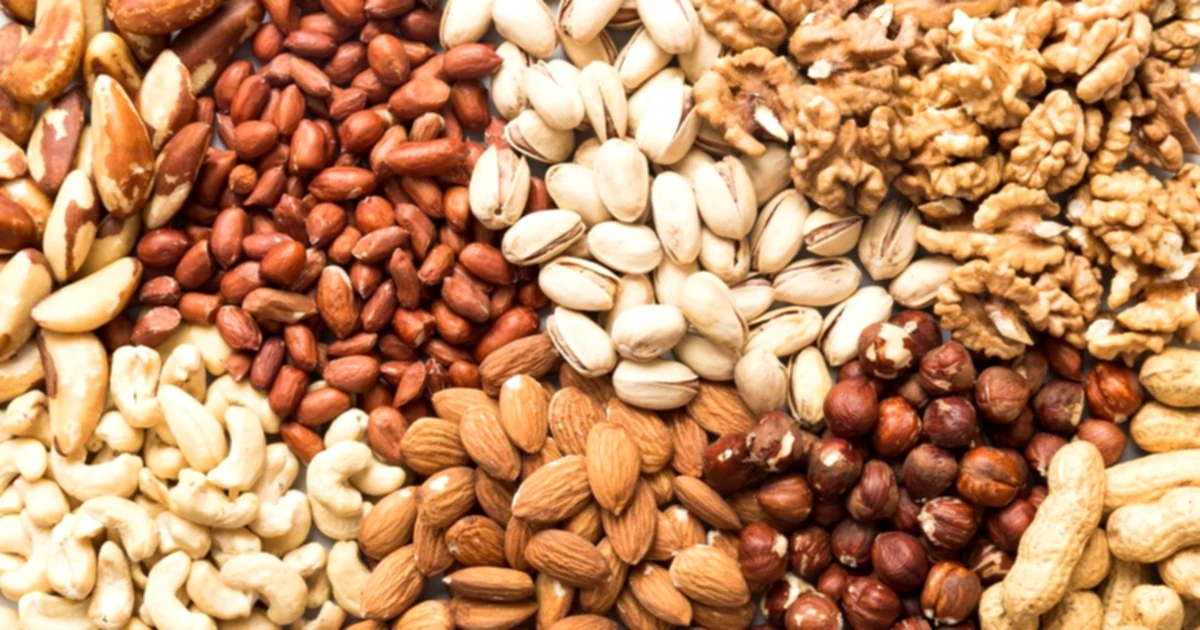
food high in omega-3 fatty acids. Omega-3 fatty acids, which inhibit inflammatory substances and alleviate joint pain, are found in oily fish like salmon, trout, and tuna. These energizing ingredients are also found in nuts like almonds, walnuts, and flax seeds.
Fruits and vegetables that are antioxidants. The antioxidants that fight infection and repair mutual tissues are plentiful in broccoli, cherries, and spinach. Green vegetables like spinach and kale guard against joint oxidant stress.
ingredients and oils that prevent inflammation.
Ginger and spice, along with their coriander, have been shown to significantly lower inflammation and pain, especially in arthritis cases. Olive oil is ideal for cooking and veggies because of its unsaturated fatty acids and vitamin E.Grains and people. Brown rice and wheat, which are whole grains, lower inflammatory symbols like C-reactive proteins. Additionally, ginger, garlic, and chili chilies can lower pro-inflammatory mediators.
You might also be interested in: