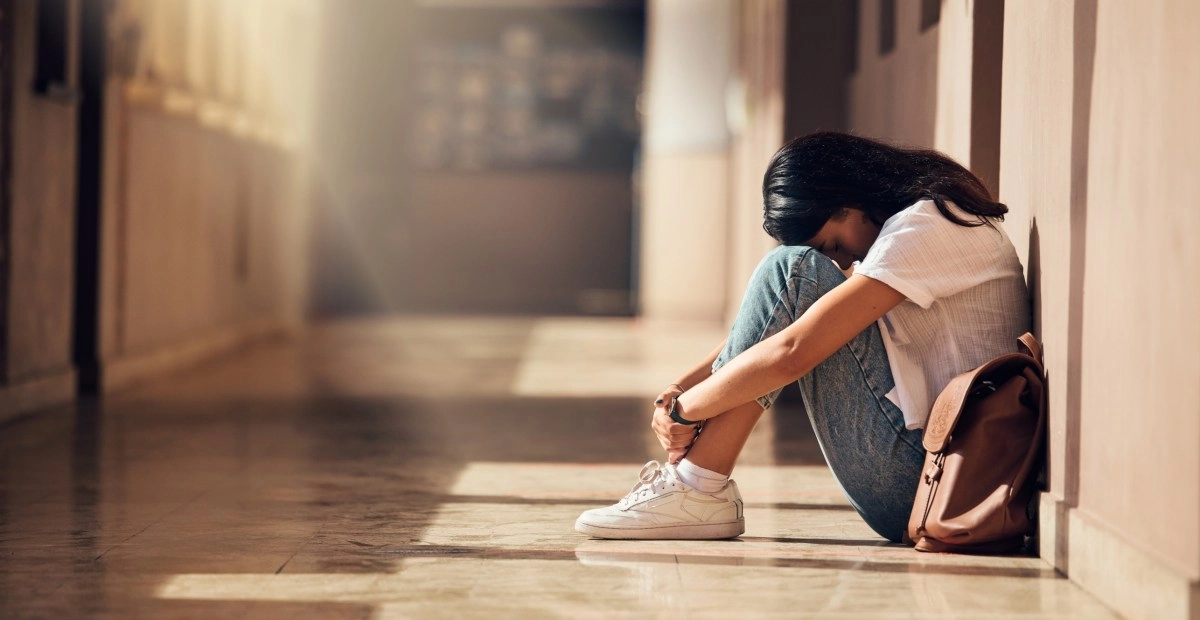

An alarming increase in depression and suicidal ideation is revealed by an analysis of data from more than 560, 000 students from Johns Hopkins University, with increases in anxiety and depression of 154 % and 80 %, respectively, between 2007 and 2022.
Although almost all colleges offer mental health services, these do not address the effects of scientific isolation and anxiety. The majority of their interventions have relied on sensitive rather than proactive methods, which has limited their efficacy. Individuals attribute major causes of their difficulties to factors like balancing their academic interests and financial obligations. 33 % cite social media as a significant contributor to academic stress, and 37 % cite the impact of social media as a significant contributor.
Research confirms a fad
Additionally, The Hill makes reference to a UnitedHealthcare research from the year before, which found that college students had consistently high levels of eating disorders, depressive thoughts, and substance use disorders between 2022 and 2024.
In contrast, the Healthy Minds Study at the University of Michigan found a decrease in some mental health symptoms between 2022 and 2024, with a 3 % increases in suicidal thoughts and a 5 % increases in major depression.
However, it is important to point out that despite reaching a peak during the COVID-19 crisis, levels remain higher than those of the general population. According to one-third of college kids reporting clinical anxiety and two-fifths of them reporting medical levels of depression, according to all these big prevalence studies from 2022. The adult population had prevalence rates of 6 to 7 % using precisely the same kind of emotional health survey methods. Therefore, while this anxiety, sadness, and loneliness are beginning to improve, the percentage of college student populations is also significantly higher. The University of California, Los Angeles (UCLA ) clinical professor Leslie Rith-Najarian told The Hill.Warning Symptoms
College students ' recognizable behavioral, disposition, and daily changes indicate mental health issues. Recognition of these earlier allows for prompt action to reduce issues.
changes in taste and sleep. A common symptom is that someone is sleeping much more or less than normal or even during the day. Additionally, weight loss, weight gain, or persistent fatigue are all factors that affect intellectual performance and attention.
personal compulsions. Possible depression or anxiety are caused by prolonged sadness, increased anxiety, or a lack of interest in previously enjoyed actions. Individuals may have disinterest, social isolation, or have negative outlooks for the future.
behavioural issues.
Recurrent absence from school, small inspiration, no interest in personal hygiene, or limited involvement in groups are all obvious warning signs. In some circumstances, dangerous drinking or using substances does appear. critical dangers Attention to professionals must be given right away for suicidal thinking ( in about 20 to 20 % of cases ), inflexibility, intense thinking, or despair.Strategies for Protection
Experts advise adopting a systematic plan that places a high value on peer support and protection on campuses.
Employing analysis and connection programs may help identify those who require assistance before issues escalate.