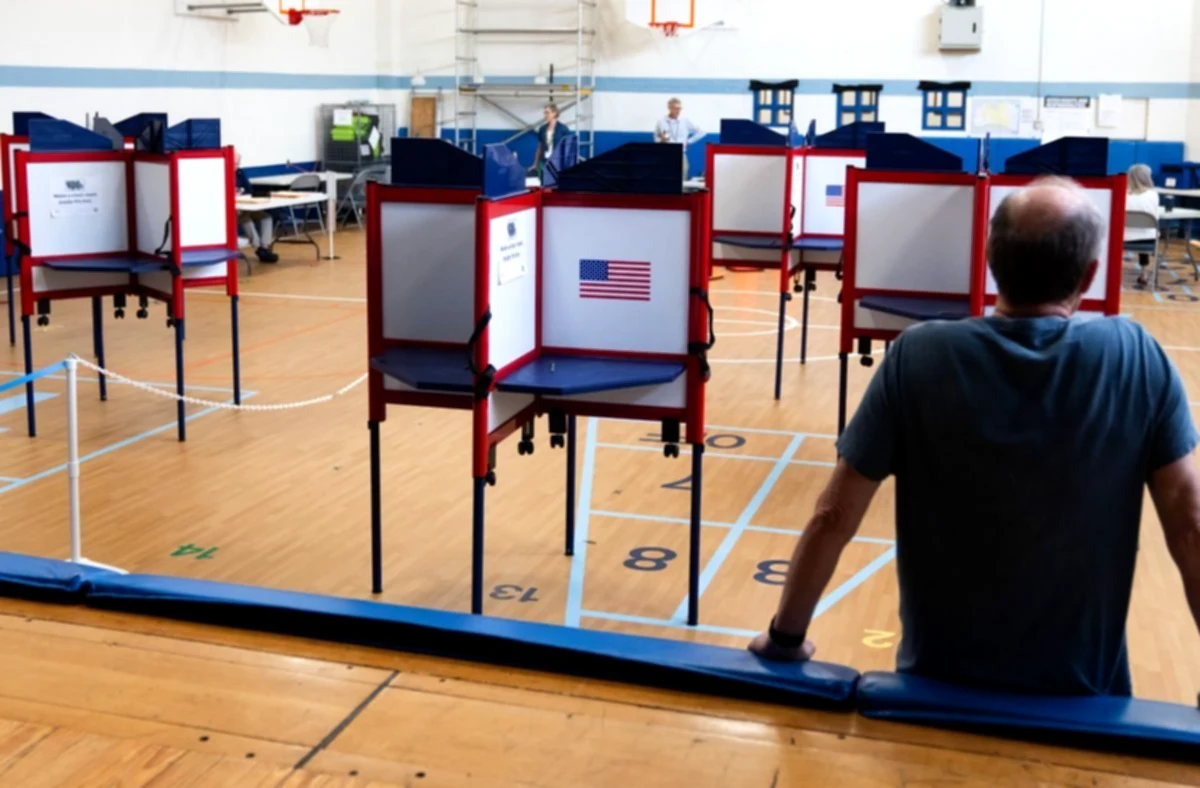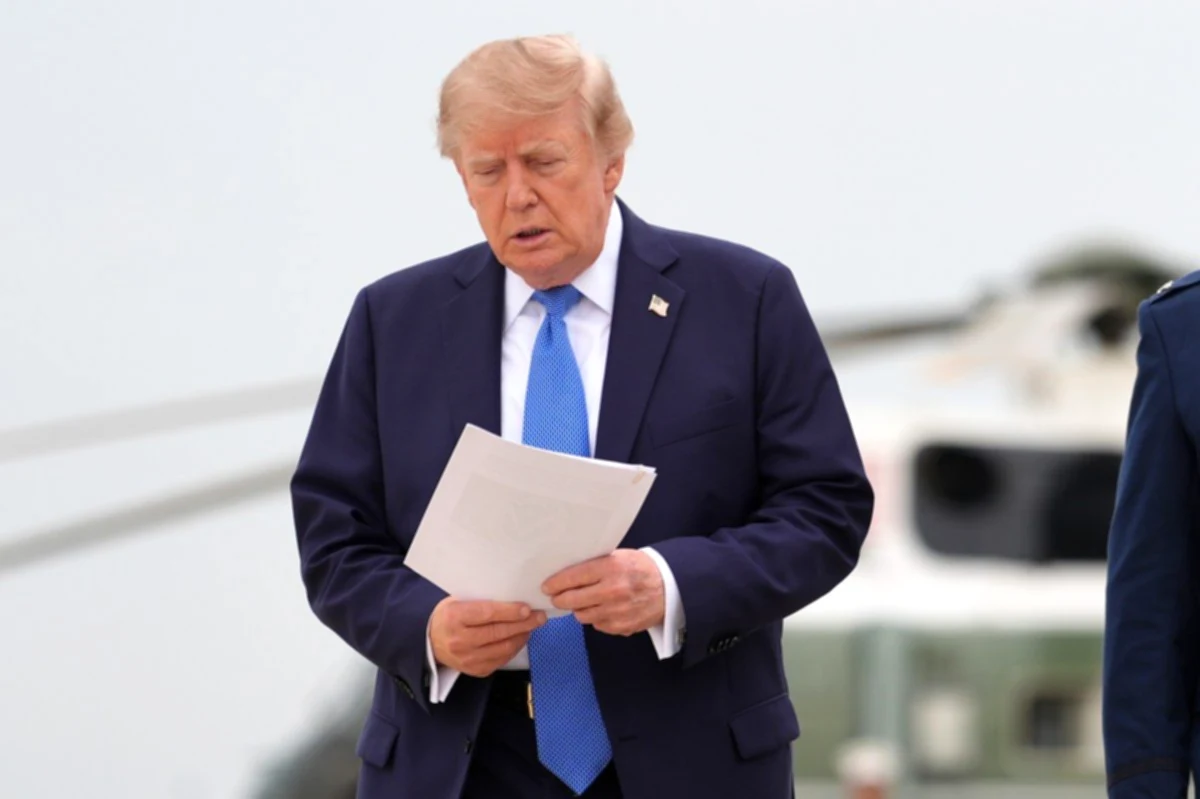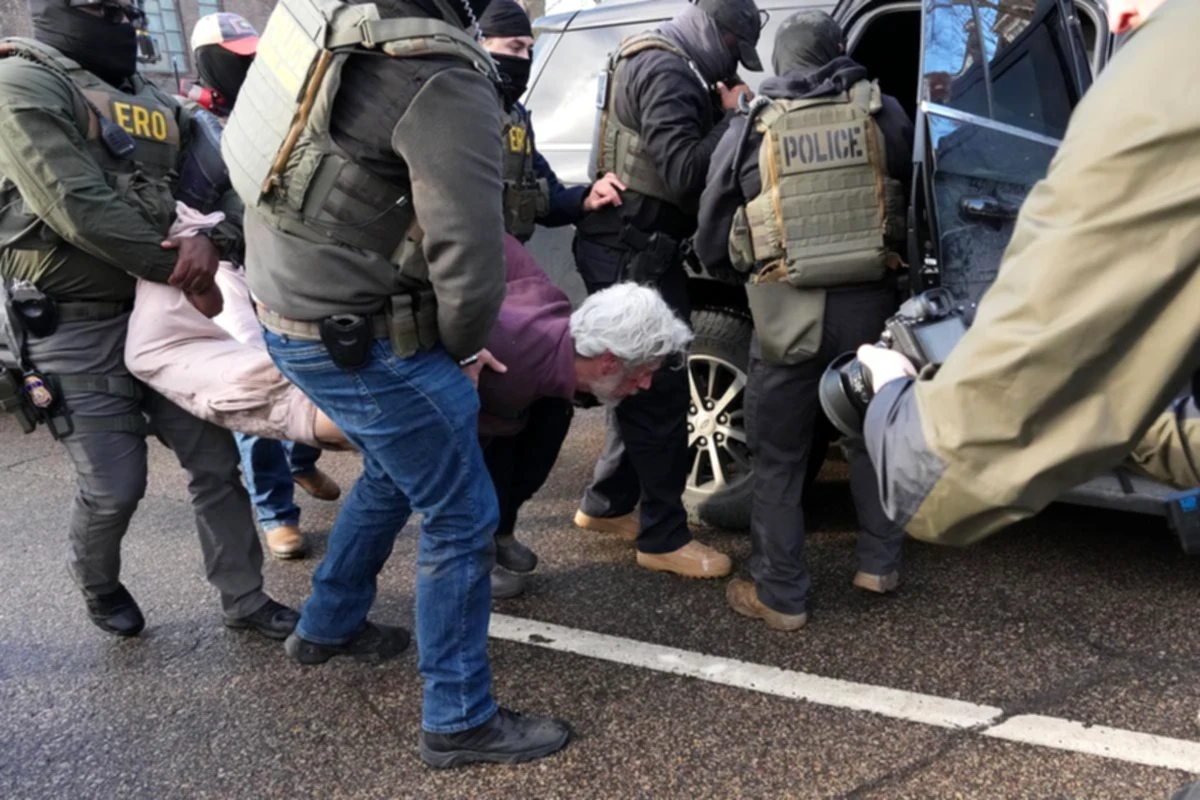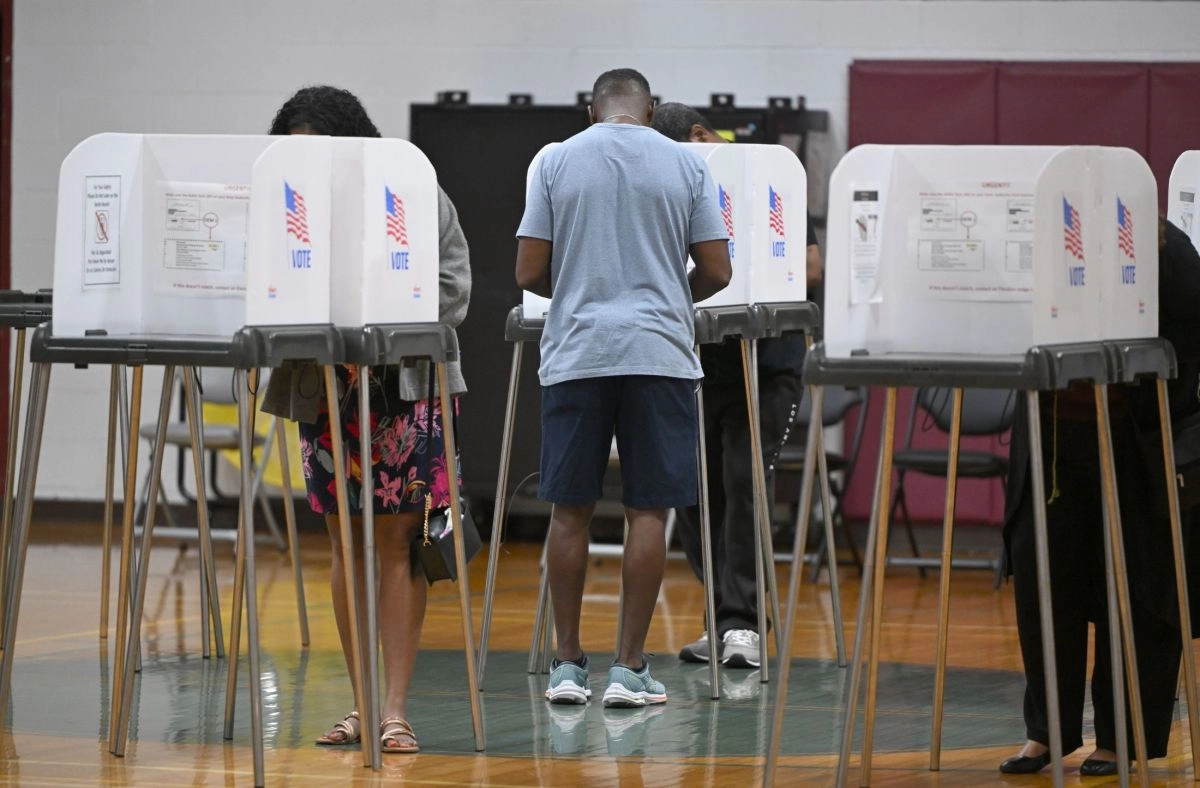

The president of the United States, Donald Trump, has described as the “number one priority” of the Republican Party to approve the SAVE America Act before the midterm elections, which will require proof of US citizenship and a photo ID to vote.
Trump has pressured Republican legislators in public messages, has stopped signing important laws (such as housing) as a punishment to his party and has given a speech to the nation again raising doubts about alleged electoral fraud in 2020 (not yet proven) to try to get his “star standard” approved.
The proposal remains blocked in the Senate
However, the green light from the Capitol resists him.
After being approved in the House of Representatives, the SAVE America bill has been stuck in the Senate since March without having obtained the necessary 60 votes due to Democratic rejection (Republicans are now trying to save it by including it in a budget rule).
If voter ID is a reasonable thing (a Pew Research Center poll last year found that 83% of respondents favored requiring all voters to present official photo identification), why is Trump's proposal so controversial?
In the United States there is no national identity card.
In American political and federal culture, a national identification, such as a DNI or citizenship card, has been considered a kind of intrusion by the authorities into the private lives of citizens.
For this reason, the ways to identify yourself in the United States are the driver's license (which immigrants can also have), the passport (half of Americans do not have it: some 146 million, according to the latest data from the State Department), the birth certificate (which many citizens do not keep or is not easily accessible) and the social security card (which does not have a photo).
Each of the 50 states sets the rules for verifying citizenship and identity.
Photo documents such as a driver's license, passport, or state ID cards are required in 36 states; the other 14, and Washington D.C., establish alternatives, such as issuing an affidavit.
With this scenario, the Democratic Party and numerous civil rights associations consider that, “de facto”, the SAVE America law would limit the right to vote for millions of citizens.
The senior director of legal policy at the Center of American Progress, Devon Ombres, believes in statements to EFE that "it is not a voter identification bill, but rather a voter suppression bill. It could prevent millions of Americans from exercising their right to vote."
"Even people who are already registered to vote will have to provide proof of citizenship in person at voter registration offices, as it prohibits registration by mail or online. Currently, only 6% of Americans register to vote in person at county offices. The rest do so through automatic registration at their transit offices, online or by mail," he explains.
The problem of 69 million married women.
The SAVE America Act will negatively affect several groups: rural voters who are far from voter registration points; to young people who are voting for the first time and who are at university, and to older people or people with reduced mobility.
But above all, it will be a problem for “the 69 million married women in the United States who do not have birth certificates that match their legal names, since they will have to obtain not only birth certificates, but also legal documents proving the name change to present in person.”
“Obtaining certified copies of these documents can take days or weeks, and costs time and money for already registered voters,” explains the expert.
The figures of the alleged electoral fraud.
Ombres insists that the law “is a solution in search of a problem, since electoral fraud is practically non-existent.”
The conservative Heritage Foundation's voter fraud database lists just 1,100 cases nationwide over decades, and 99 cases of noncitizens voting.
A study by the prestigious Brennan Center of the 2016 elections in 42 jurisdictions found 30 cases of possible non-citizen voting out of a total of 23.5 million votes cast.
A little more than three months before the midterm elections, Trump is hardening his fight with legislators, Democrats and Republicans, to approve the SAVE America Act.