

DOJ plans to have immigration judges impose contempt fines of up to $3,500 on immigrants and their attorneys
The new rule that would authorize punishments for delays, absences or "disorderly conduct" seeks to sow fear in the process, according to former magistrates
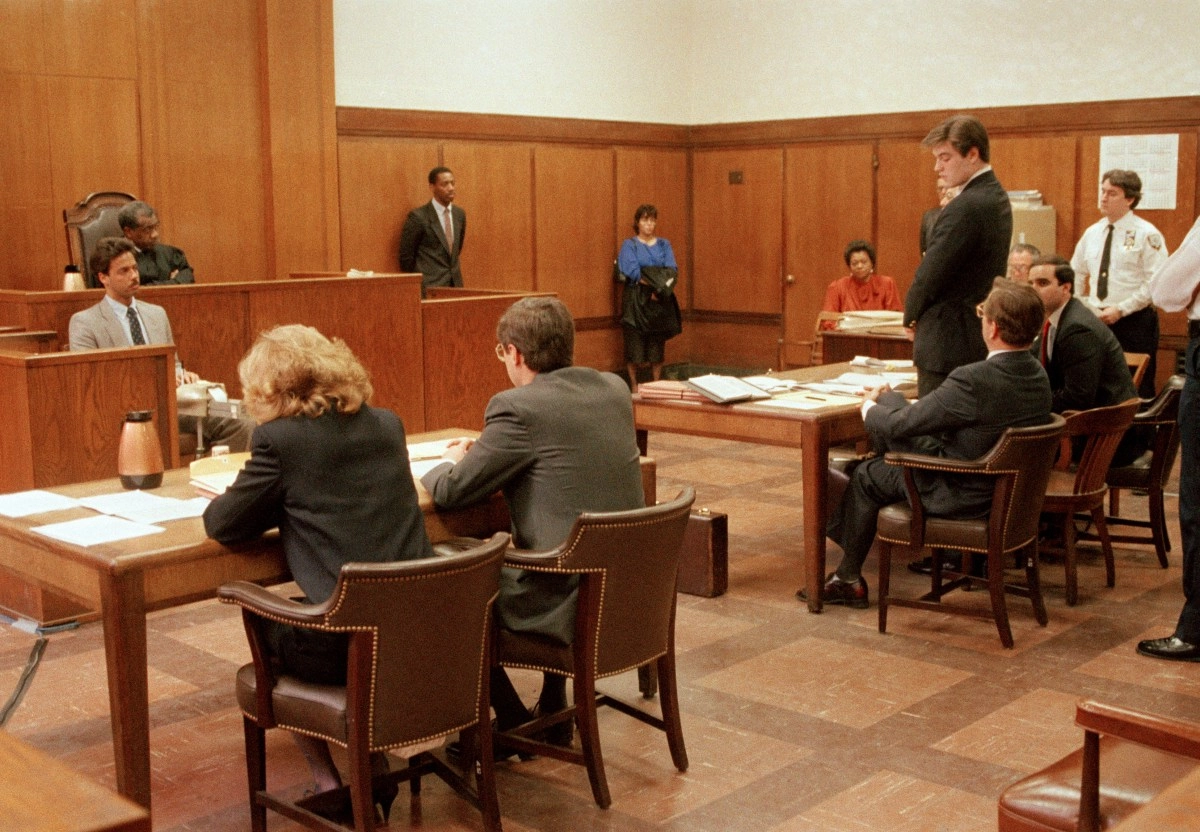

The Department of Justice (DOJ) proposed a new regulation that would give immigration judges the power to declare in contempt attorneys, immigrants and witnesses who fail to comply with orders issued during immigration proceedings, a measure that would mark a significant change in the operation of immigration courts and that is already facing questions from constitutional law specialists and immigrant advocacy organizations.
The proposal, presented by the Executive Office for Immigration Review (EOIR), would allow judges for the first time to impose civil penalties of between $1,000 and $3,500 on those who persist in disobeying court instructions or disrupting the conduct of hearings.
In the document published in the Federal Register, the Department of Justice maintains that the measure seeks to strengthen the authority of judges to conduct proceedings efficiently.
“It is essential that immigration judges have all the necessary tools, including the power to impose civil monetary penalties, to control the proceedings carried out before them,” the agency said. The regulation is part of a series of actions promoted by President Donald Trump's administration to strengthen the application of immigration laws and accelerate deportation processes.
The proposal excludes government lawyers and sparks criticism
One of the aspects that has generated the most controversy is that the rule exempts from sanctions for contempt lawyers who represent the federal government, including those of the Department of Homeland Security (DHS) and the Immigration and Customs Enforcement Service (ICE).
The Justice Department argues that these officials are already subject to internal disciplinary mechanisms, such as the Office of the Inspector General and the Office of Professional Responsibility, so it considers it unnecessary for immigration judges to sanction them.
However, specialized organizations consider that the proposal creates an unequal system. “By proposing a completely biased regulation that empowers judges to hold in contempt only immigrant attorneys, but not ICE attorneys, the Administration has demonstrated that its goal has nothing to do with a fair and balanced rule of law,” said Gregory Chen, senior director of government relations at the American Immigration Lawyers Association (AILA).
Chen added that the initiative represents “another attempt to attack immigration attorneys, consistent with the President's intimidation tactics.”
Experts question the constitutionality of the measure
The proposal has also raised doubts among legal specialists, who maintain that immigration courts belong to the Executive Branch and operate under Article II of the Constitution, so they would not have the constitutional authority to impose sanctions for contempt, a power traditionally reserved for the Judicial and Legislative branches.
For Chen, the regulation is “constitutionally flawed.” The rule would allow sanctions for conduct such as repeatedly failing to appear on time, disobeying court orders, disturbing the order during hearings or presenting false statements.
The initiative comes at a time when the immigration court system faces a burden of more than 3.5 million pending cases, while the EOIR has lost hundreds of judges and attorneys in recent years. According to data cited in the proposal, during 2025 the agency recorded the departure of 370 lawyers, while numerous former judges have reported pressure to accelerate deportations and limit the granting of bail.
Karen Donoso Stevens, a former immigration judge, warned that the measure could increase the climate of pressure within the courts. "First, you have to scare the judges. Then, the judges will scare the lawyers," he said. The proposal will remain open for 60 days for public comment before the Justice Department determines whether to adopt the regulation definitively.
This news has been tken from authentic news syndicates and agencies and only the wordings has been changed keeping the menaing intact. We have not done personal research yet and do not guarantee the complete genuinity and request you to verify from other sources too.