

Elon Musk and SpaceX declare war on the large US operators
SpaceX is preparing a terrestrial mobile network that could pit Starlink directly against T-Mobile, AT&T and Verizon in the US.
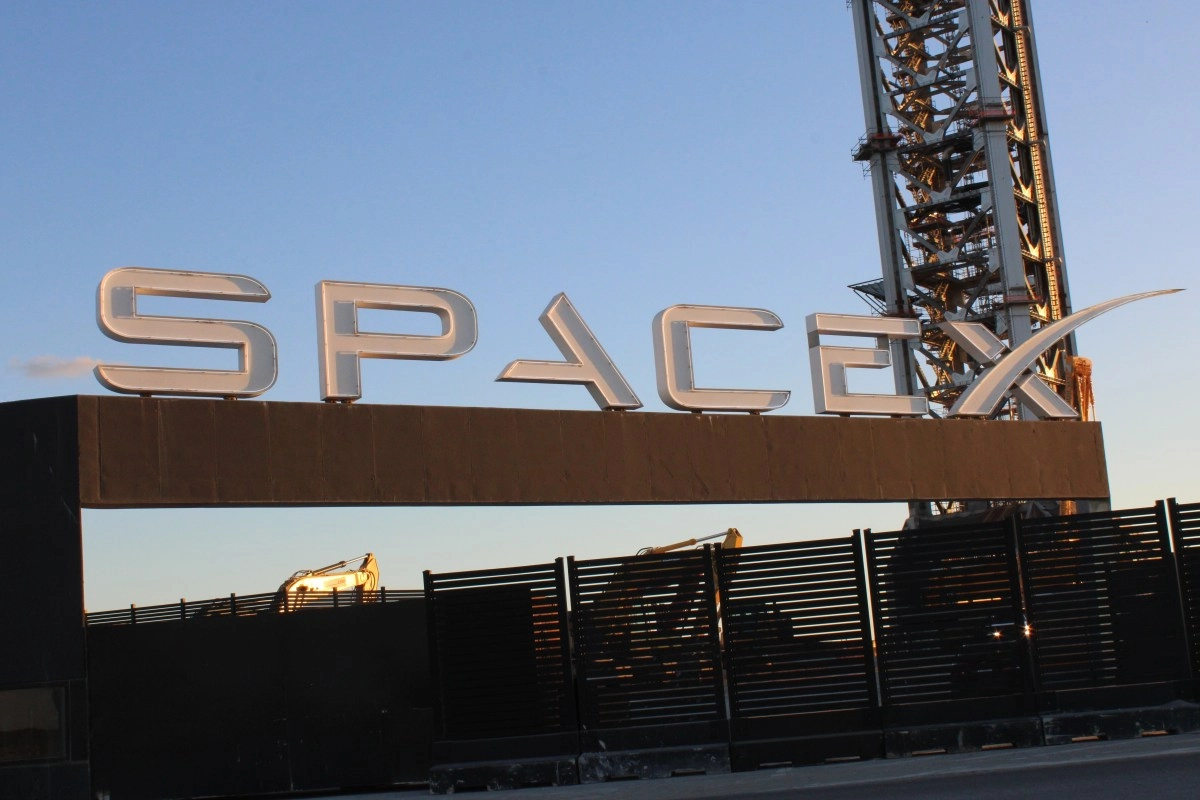

Elon Musk seems willing to enter territory that until recently seemed untouchable. The SpaceX founder is pushing a plan to build his own land mobile network, a move that would put him head-to-head against telecommunications giants in the US, including T-Mobile, AT&T and Verizon.
The move is not a coincidence or a last-minute whim. SpaceX already has Starlink, its satellite internet network that has revolutionized connectivity in remote areas, and now seeks to take the next natural step, transforming that infrastructure into a complete mobile phone service that competes face to face with traditional operators.
How Musk plans to build his land mobile network
The key to this entire plan is in the radio spectrum that SpaceX acquired from EchoStar for about $19.6 billion divided into two agreements. This spectrum not only serves to reinforce satellite connectivity, but also has terrestrial components, which opens the door to installing antennas, towers and other equipment on land.
Gwynne Shotwell, president of SpaceX, made it quite clear during a call with investors. “We certainly intend to develop the terrestrial component,” he said, adding that the company will have not only the satellite capacity, but also the deployment of hardware and systems necessary to offer a real mobile service.
The interesting thing is that SpaceX does not plan to replicate the expensive model of giant towers used by classic operators. According to recent reports, the company is evaluating deploying smaller and cheaper base stations, which can be installed on light poles, rooftops and other easily accessible spaces, relying on Starlink satellite dishes to connect with the satellite constellation. This strategy would allow you to save a good part of the brutal investment that normally requires building a cellular network from scratch.
Musk aims directly at the clients of large operators
Musk and his team don't mince words about their intentions. Shotwell noted that the company hopes to attract “quite a few” clients from the country's three large mobile operators, a statement that sounds quite ambitious considering that this market moves close to $600 billion in combined revenue.
Musk himself has also addressed the issue, making it clear that he anticipates taking ground from established operators as Starlink's hybrid network matures. The vision behind this is simple, combining satellites and ground stations to offer coverage that could theoretically exceed what conventional networks provide today, especially in areas where the traditional signal fails or simply does not reach.
Of course, not everyone is convinced that this is a piece of cake. Analysts such as Craig Moffett of MoffettNathanson warn that unless Starlink reaches a standard agreement with an established operator, it will be extraordinarily difficult for its direct-to-consumer service to be competitive with telcos in the next five years. Building a national network from scratch, securing additional spectrum, and accessing thousands of towers and nodes requires time and an investment that runs into the billions of dollars.
This news has been tken from authentic news syndicates and agencies and only the wordings has been changed keeping the menaing intact. We have not done personal research yet and do not guarantee the complete genuinity and request you to verify from other sources too.