

Hunger in Gaza remains at “critical” levels two months after the ceasefire
Gaza avoids famine for now, but 77% of the population remains acutely food insecure, in a context that experts describe as catastrophic
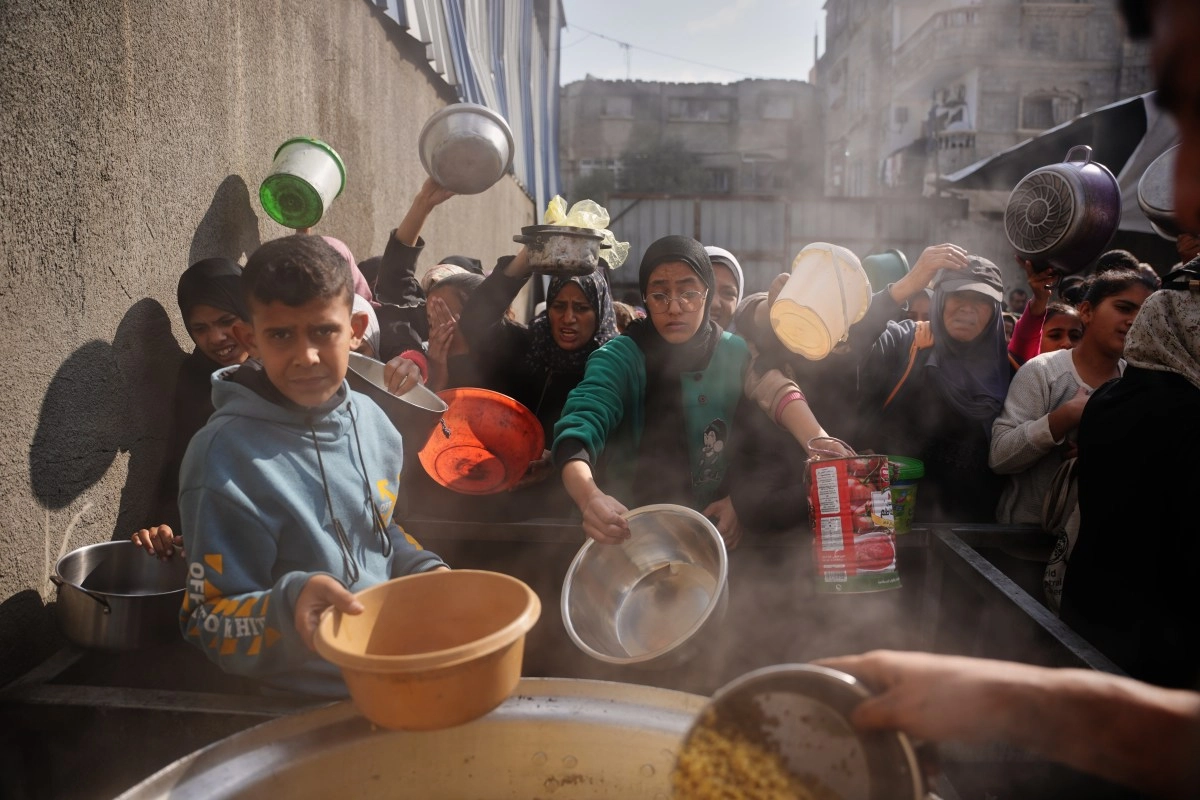

The Gaza Strip has reportedly managed to prevent common hunger, but the humanitarian condition is still troubling and unstable. The UN Relief and Works Agency for Palestine Refugees in the Near East ( UNRWA ) warned that if aid inflows are not maintained and expanded, 77 % of the population is experiencing acute food insecurity and nearly 101, 000 children between six months and five years old could be affected by acute malnutrition by October 2026. In light of this circumstance, the UN called on Israel once more to ease restrictions on humanitarian entry. The peace that has been in effect since October has led to some improvements in food accessibility and some health indicators, according to the most recent report from UN-backed experts. These adjustments, but, have not been enough to reduce the severity of the issue. Around 100, 000 people were still living in" catastrophic" conditions last month. The Integrated Food Security Classification ( IPC ) issued a warning in August that nearly a quarter of Gaza's population lived in famine-affected regions. Since the delicate peace was in consequence, humanitarian aid has grown but is still insufficient. According to the report, existing products "only cover basic life needs. " Despite having no place of? Although Gaza is now officially categorized as a famine-stricken, the UN insists that the situation depends on continued, expanded, and regular philanthropic and commercial access. The whole Gaza Strip could be in danger of hunger until mid-April 2026, assuming there is a continuation of conflicts or a suspension of aid inflows. The report warns that" the worst-case scenario underscores the seriousness and continuity of this philanthropic crisis. " The UN Relief and Works Agency for Palestine Refugees ' Commissioner-General, Philippe Lazzarini, reaffirmed that" to put an end to this catastrophe, humanitarian workers must be permitted to do their jobs. " UN Secretary-General Antonio Guterres also remarked that "needs are growing faster than assistance is arriving. "
The CPI measures two main variables: hunger and food insecurity. Food vulnerability is defined as the inability to get enough food to live a healthier lifestyle on a regular basis. The most intense stage is CPI Phase 5, which is characterized as "famine" when it affects an location and" calamity" when it refers to families. Around 1. 6 million people, or 77 % of the population surveyed, experienced high levels of acute food insecurity ( Phase 3 or higher ) between October and November. More than half a million of them were in Catastrophe ( Phase 4 ) and Emergency ( Phase 4 ) respectively.
Around 1. 6 million people are expected to be in turmoil or worse over the projected period of December 2025 to April 2026. While a decrease in the most severe cases is anticipated, almost 900 people will be in Catastrophe and 571, 000 in Emergency. The movement of over 730, 000 people, restrictions on humanitarian exposure, and the destruction of livelihoods are just a few of the factors contributing to this situation. More than 96 % of Gaza's agrarian property has been destroyed or unneeds. 900 people and the death of lives. More than 96 % of Gaza's agrarian property has been destroyed or unneeds.
This news has been tken from authentic news syndicates and agencies and only the wordings has been changed keeping the menaing intact. We have not done personal research yet and do not guarantee the complete genuinity and request you to verify from other sources too.