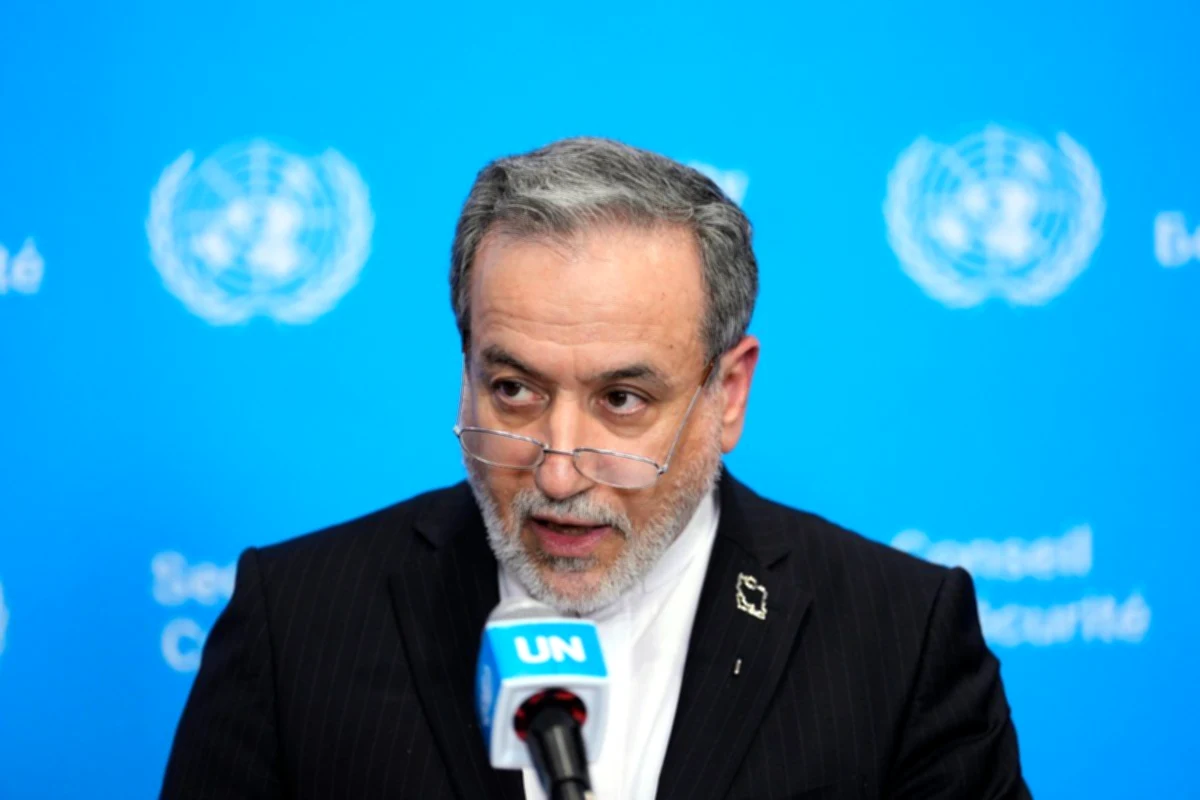

Iranian Foreign Minister Abbas Araghchi stated on Sunday that Iran is" totally set" to re-engage in diplomatic relations with the US, even in the worst case, but also risks leaving diplomatic relations, despite President Donald Trump's rejection of Tehran's request to reopen the tactical Strait of Hormuz.
We are "fully ready" for the return of the war. Even if it's an apocalyptic war, Araghchi said in an interview with NBC News ' Meet the Press that" we will remain firm in the face of any new aggression," Araghchi said. " At the same time, we are prepared for the consular route. President Trump's decision is up to him.
The declaration comes after Iran submitted a proposal to resume the Strait of Hormuz within seven weeks and begin to put an end to warfare through Qatar. The maritime path is important for the global energy market because it typically focuses between a second and a quarter of the world's oil transport.
The Iranian plan envisaged the lifting of the U.S. naval blockade, allowing Iran’s oil sales again, and releasing about $12 billion in frozen Iranian assets, in addition to a ceasefire of hostilities that would spread to other fronts in the region.
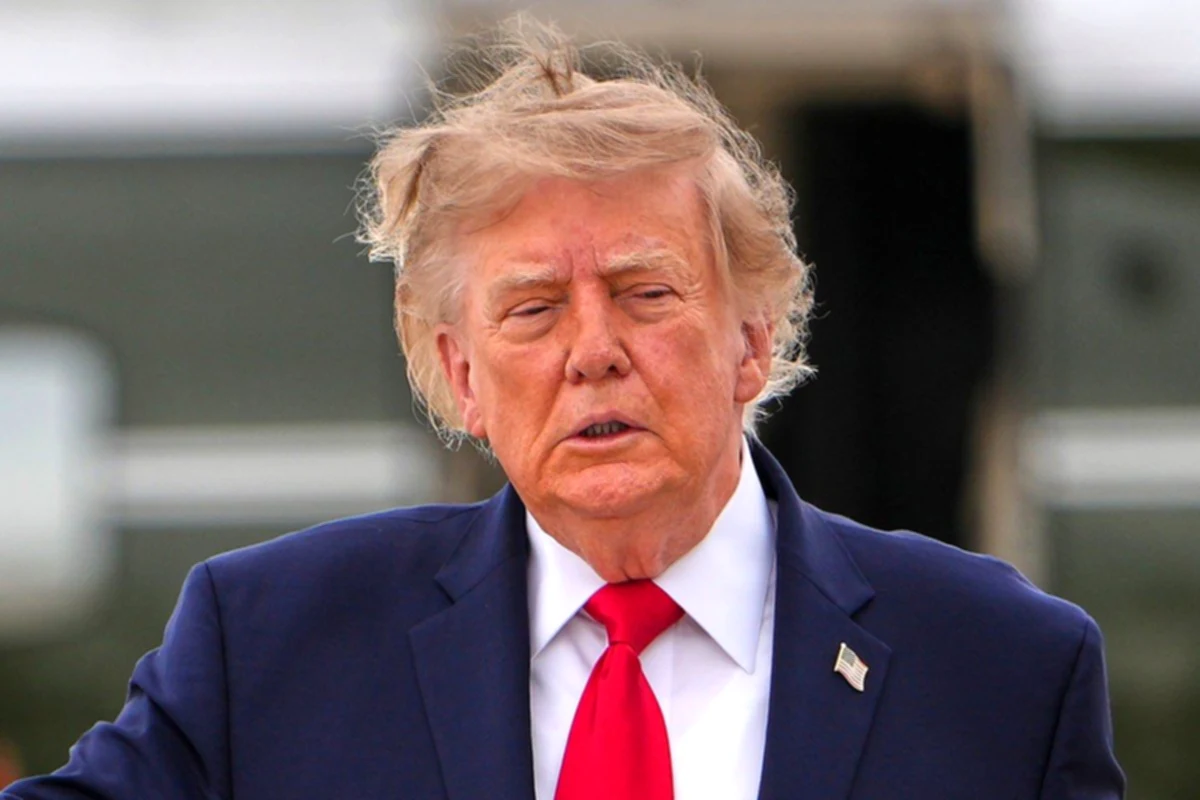
Trump stated on Saturday that he would reject the request. He told investigators," I rejected his deal. " They want to come to a decision to immediately start the sea because they are sorely losing. The president acknowledged, however, that he is also curious in negotiating a deal, despite the fact that he found the situations in place by Tehran to be undesirable.
Araghchi claimed on Sunday that Iran had not yet been informed of the US's dismissal through mediation in spite of these people statements.
We want to transfer our property and funds, which have been improperly frozen. The governor assured that the concerns raised are not novel and have a history in the memorandum of understanding reached between Washington and Tehran in June. " We want to be able to buy our oil.
A 14-point construction was established in that contract to advance toward a negotiated peace, but it deteriorated as a result of new attacks. Tehran accuses Iran of breaking the contract by attacking foreign shipping, while Washington lays the blame on the United States for breaking its commitments.
Trump's determination was defended by U. S. Ambassador to the UN Mike Waltz on Sunday, claiming that Tehran was requesting to some concessions, including access to billions of dollars frozen, before moving forward with the package.
Despite the various accusations, the two parties continue to negotiate an empty return. Tehran would have reasons to be wary of more discussions, argued Aghchi, but he insisted that it would keep looking for an agreement after past failures.
He continued," I don't think we should miss any opportunity to achieve peace," saying," If they ask us, there's no reason for us to go back to diplomacy. "
The Strait of Hormuz is still at the centre of the conversations because of the conflict. Washington's blockade of Egyptian ports has put pressure on Tehran's economy, as well as its closure and delivery restrictions, which have altered energy markets and raised global oil prices.
The Persian place currently combines the two options. We are prepared for diplomatic action. We are prepared for war at the same time, Araghchi summed up.