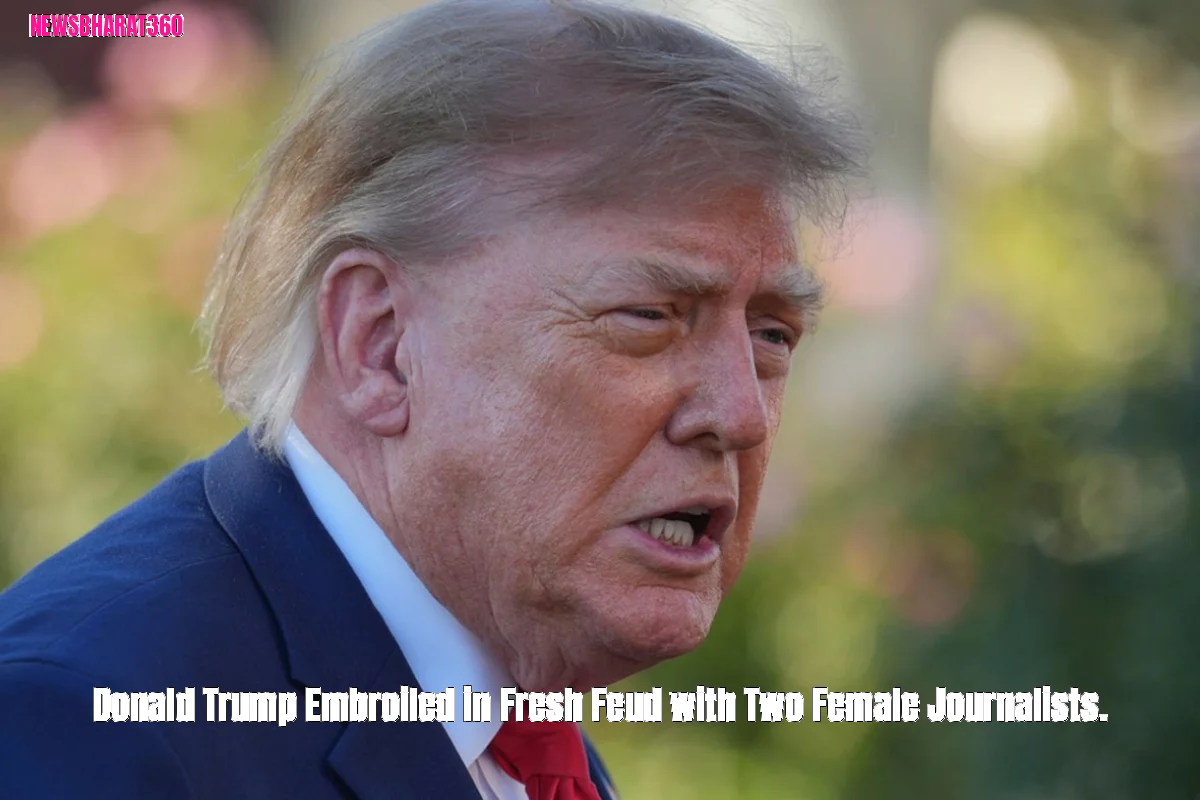
The reluctance of a large portion of Republican congressmen to extend subsidies for medical insurance will have profound and lasting consequences that go beyond a budget debate. Although it is clear that the current Affordable Care Act could be improved, so far President Trump's party has not presented a viable alternative. Consequently, millions of people will be affected. When coverage disappears, it's not just an administrative benefit that's lost: the ability to prevent illnesses, treat chronic conditions, and, in many cases, live with dignity is lost. The immediate impact will be the silent expulsion of thousands of families from the healthcare system. People who today can afford a reduced premium thanks to Obamacare subsidies will soon be forced to choose between buying food, paying rent, or maintaining their health insurance. Recent experience shows that, faced with this dilemma, health is often relegated to the back burner. The result is predictable: delayed diagnoses, interrupted treatments, and an increase in medical emergencies that end up being more costly for the public system itself. This domino effect transcends ideologies. Although the debate has been framed in partisan terms, those affected live in both urban and rural districts, many of them in conservative strongholds. In Republican-governed states, a significant proportion of the population depends on these subsidies. When people lose access to consultations, medications, or preventative care, their frustration will not be directed solely at “Washington” as an abstract concept, but directly at those who blocked the expansion of that support. From a political standpoint, inaction can also backfire on Republicans themselves and key figures in their leadership, including President Donald Trump. The rhetoric of protecting the “working class” clashes head-on with a reality in which that same class is left unprotected in the face of illness and medical debt. In election campaigns, messages about jobs and security lose their impact when voters remember that they lost their health insurance under a particular legislative majority. Furthermore,The social cost of this decision will ultimately be reflected in overcrowded hospitals, local governments pressured to fill gaps, and a less productive economy due to the increase in untreated illnesses. Denying the extension of subsidies may seem, in the short term, like a gesture of fiscal discipline. In the long term, it is a risky gamble that deepens inequality, erodes public trust, and leaves political scars that are difficult to erase. Ultimately, not approving these extensions is a decision with human, social, and electoral consequences that, sooner or later, will also affect those who today believe they are safe from its effects. Maria Luisa Arredondo is the director of Latinocalifornia.com and author of the book “Life After the Crossing.”
The lack of medical insurance: a disaster that could have been avoided
The attitude of Republican congressmen will have profound and lasting consequences beyond a budget debate


Maharanee Kumari
Dec 18, 2025 - 16:28 UTC
TAGS: