Pregnancies and weight gain: alarming data on obsolete practices
Two-thirds of pregnancies worldwide show weight gain that exceeds medical recommendations
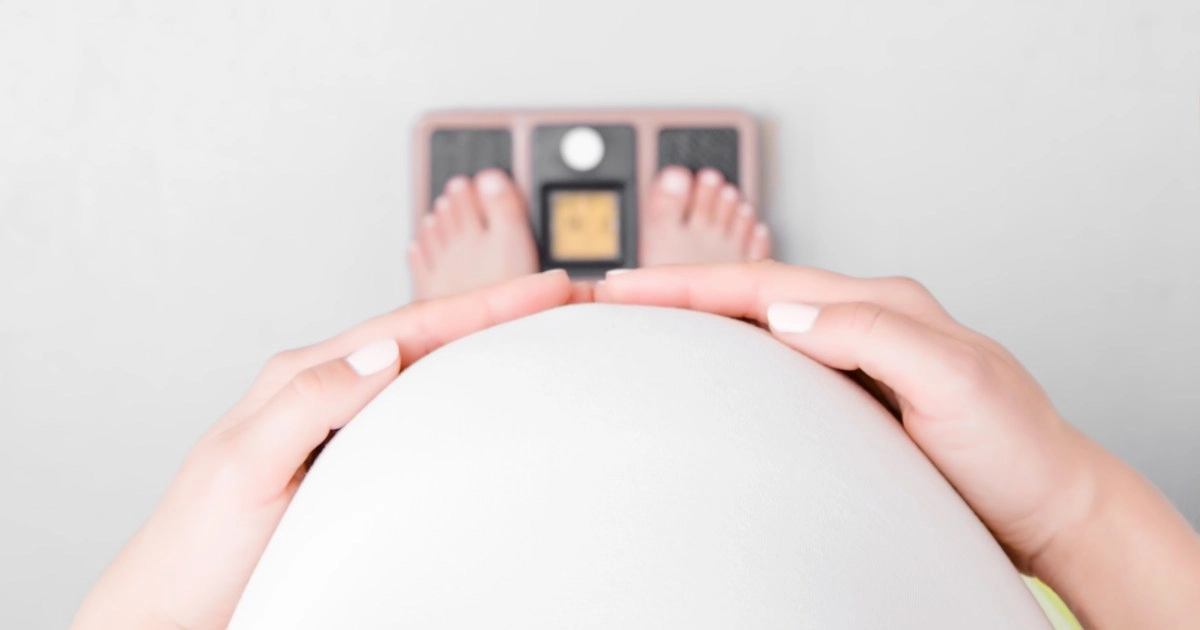
Two-thirds of babies show weight gain that is above the recommended pounds, according to a recent study published in BMJ Global Health. This analysis, which included data from 1. 6 million women around the world, highlights the urgent need to update the current recommendations for gestational weight gain ( GWG). The study demonstrates that both increased and inadequate weight gain during pregnancy are linked to higher risks of health problems. These include low birth weight, premature birth, and sick problems, all of which have a significant impact on the health of mothers and newborns. To support the new initiative from the World Health Organization ( WHO ) to create global standards for advanced maternal health ( AMH), researchers looked at 40 high-quality observational studies conducted between 2009 and 2024, which included five of six global regions. It turned out that only 32 % of the women gained the recommended range of weight, while 23 % gained too little, and 45 % gained too much because more than half ( 53 % ) of the participants had healthy BMI before becoming pregnant and the rest were below ( 6 % ), above ( 19 % ), or well above it. Rules that are outdated: Present guidelines are based on information from the 1980s and are primarily targeted at women. advanced economies ' white people.
It is deemed necessary to adopt current standards that reflect the current real of pregnant people given the population's diversity and various environmental factors.
Want for specialized strategies
Professionals like associate professor of maternal sciences Annick Bogaerts stress the value of tailoring care during pregnancy. She contends that each woman's unique context may be taken into account, addressing her physical and emotional well-being as a systematic approach, rather than applying basic guidelines.
Instead of focusing solely on calorie control, Bogaerts told Newsweek, "putting the recommendations into practice requires taking into account independently adjustable and reachable goals that address common symptoms like nausea and fatigue. "
Nutrition and exercise play a significant part in weight control
In preventing weight gain while pregnant, nutrition and exercise are essential. A healthy and nutritious diet, rich in fruits, vegetables, whole grains, lean proteins, and low-fat dairy products, helps to manage pregnancy requirements without causing excessive weight gain. A high-fiber eating also helps to prevent issues like diarrhea and glucose intolerance. In addition to reducing risk factors like maternal hypertension, fetal macrosomia ( excessive baby weight ), and cesarean delivery, moderate exercise, such as regular walking or supervised aerobic exercise, helps control weight gain. Combining diet and exercise programs are specifically successful, showing an average reduction of 20 % in the risk of excessive weight gain during pregnancy and enhancing some newborn outcomes. You might also be interested in: Combining diet and exercise programs are particularly effective, showing an average reduction of 20 % in the risk of excessive weight gain during pregnancy and improving some newborn results. You might also be interested in: Combining diet and exercise programs are particularly effective, showing an average reduction of 20 % in the risk of excessive weight gain during pregnancy and improving some newborn outcomes. You might also be interested in:
This news has been tken from authentic news syndicates and agencies and only the wordings has been changed keeping the menaing intact. We have not done personal research yet and do not guarantee the complete genuinity and request you to verify from other sources too.