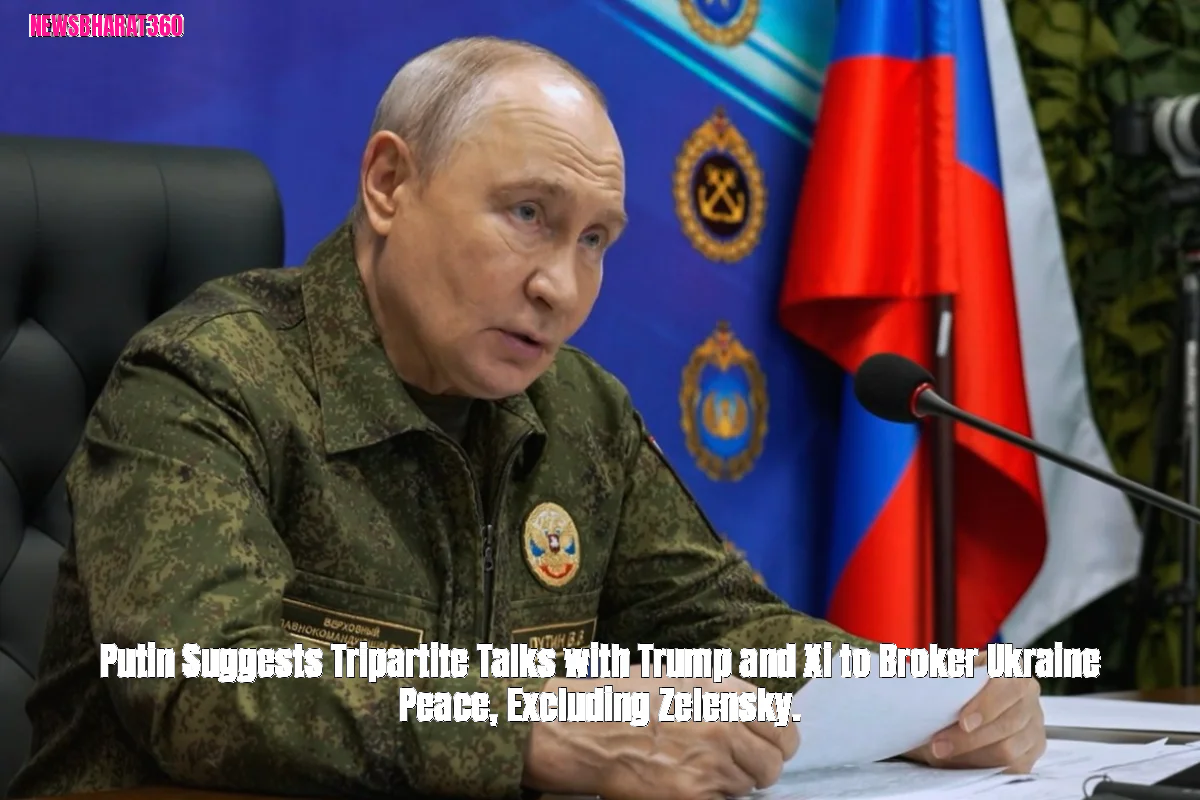

A potential diplomatic meeting between the leaders of the United States, Russia, and China has sparked a new wave of diplomatic tension, with the possibility of negotiating Ukraine's future without Ukrainian President involvement. According to a report by the Wall Street Journal, Russian President Vladimir Putin has proposed a meeting with US President Donald Trump and Chinese President Xi Jinping in November to discuss a potential agreement that would bring an end to the conflict in Ukraine on favorable terms for Russia.
Sources close to the negotiations suggest that a meeting between the three leaders could take place on the margins of the Asia-Pacific Economic Cooperation Forum (APEC) summit, which is set to occur on November 18 and 19 in Shenzhen, China. According to reports, Ukrainian President Volodymyr Zelensky would not be included in the discussions.
Russian President Putin made a proposal to US President Trump during a telephone call on October 9, as diplomatic relations between Washington and Moscow were improving. The move was an attempt by Putin to capitalize on the White House's willingness to relax certain economic sanctions and maintain dialogue on the Ukraine issue.
The Kremlin has confirmed that preliminary discussions have taken place, but emphasized that no definitive agreements have been reached. According to Dmitry Peskov, the Kremlin's spokesman, the details of a potential meeting, including its agenda, remain unclear. However, all parties involved acknowledge that the possibility of a meeting still exists.
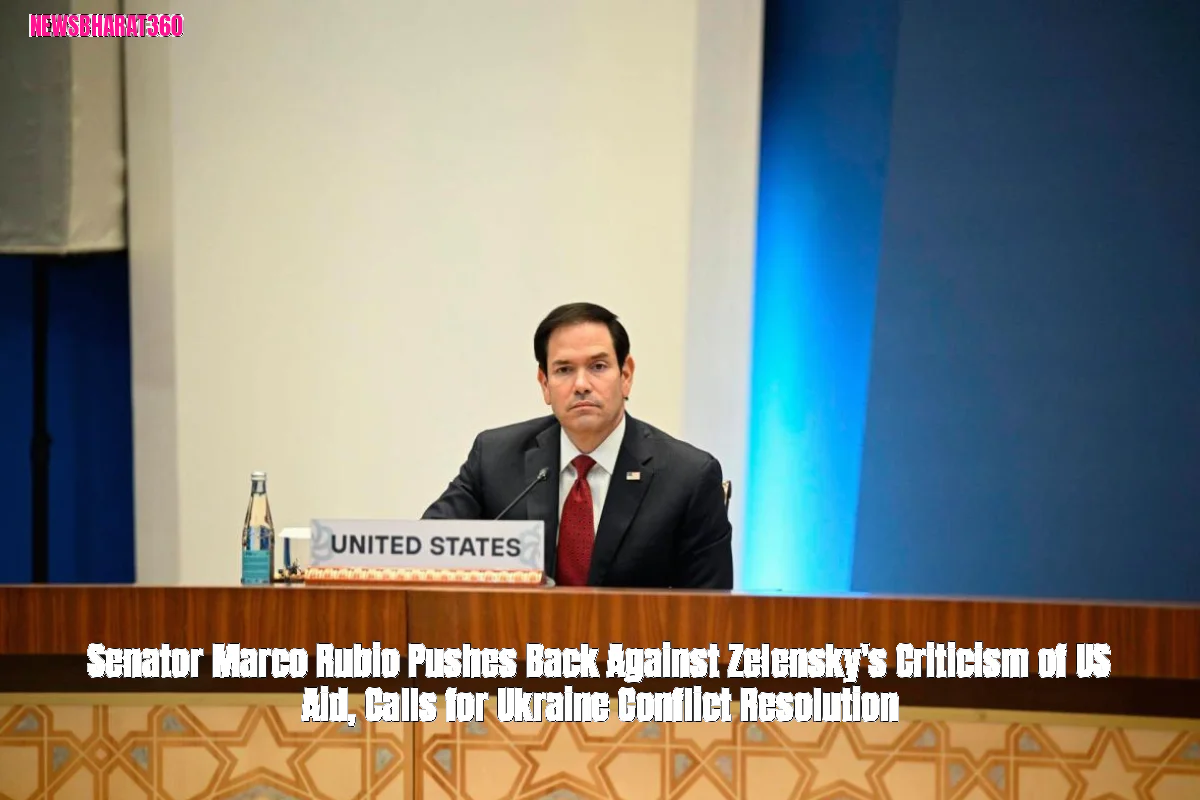
U.S. Secretary of State Marco Rubio has confirmed that a potential meeting between Ukraine and Russia is under consideration. During a visit to Samarcanda, Uzbekistan, Rubio stated that a meeting to end the conflict between the two nations has been discussed, with President's clear intention being to bring an end to the ongoing war.
Following the signing of an executive order by Trump on October 16, a proposal was put forward to suspend the application of specific sanctions outlined in the Lindsey O. Act, which pertains to sanctions against Russia and Iran set to take effect in 2026.
The White House recently published a provision that creates an exception to previously approved congressional measures, citing the national interests of the United States as justification for the suspension. Notwithstanding this move, the existing sanctions against Moscow remain in place.
The U.S. government has reached an agreement to acquire Russian diesel fuel, as evidenced by a license issued by the U.S. Treasury on October 9. This license permits specific transactions, including sales, deliveries, unloads, and imports of fuel from Russia.
The Ukrainian government has expressed criticism over recent measures, with President Zelensky cautioning that easing economic pressure on Russia may inadvertently bolster Putin's influence and prolong the ongoing conflict, which began following Russia's invasion in February 2022.
US President Trump has indicated his willingness to engage in separate meetings with Russian President Putin and Chinese President Xi, with a primary focus on nuclear disarmament. He has also left the door open for discussions on the ongoing conflict in Ukraine, stating his intention to work towards a peaceful resolution.
China has declined to confirm reports of a potential trilateral meeting, with Foreign Ministry spokeswoman Mao Ning stating that the ministry has no information on such an event.
Ukrainian Foreign Minister Andrii Sybiha expressed concerns over the proposed initiative, cautioning that a negotiated settlement reached without Ukrainian involvement could potentially enable the continuation of Russia's military offensive.
Ukrainian leaders, along with their counterparts from the United States, may benefit from a trilateral meeting to potentially bring an earlier end to the conflict. Conversely, a trilateral meeting involving Russia, China, and the United States could inadvertently embolden Russian President Putin to continue the war.
Russian spokesperson Peskov stated that a comprehensive resolution to the conflict would necessitate Ukrainian participation, emphasizing that a definitive agreement cannot be achieved without the involvement of a Ukrainian party willing to take responsibility.
Russia and Ukraine have continued to face significant obstacles in their efforts to reach a peace agreement, with a lack of progress evident since the last round of Washington-mediated peace talks in February.
A key aspect of the ongoing conflict has resurfaced following Putin's proposal, focusing on the composition of negotiations to bring an end to the war and Ukraine's involvement in decisions regarding its territorial sovereignty. The possibility of a trilateral meeting persists, although a specific date and agreed-upon agenda have yet to be established.