
The International OceanEye Alliance for the World Ocean Observation System, an initiative to which thirty nations have already signed, has been launched by the European Union and Canada with the pledge to mobilize at least €211 million ( 240 million USD ) over the upcoming years.
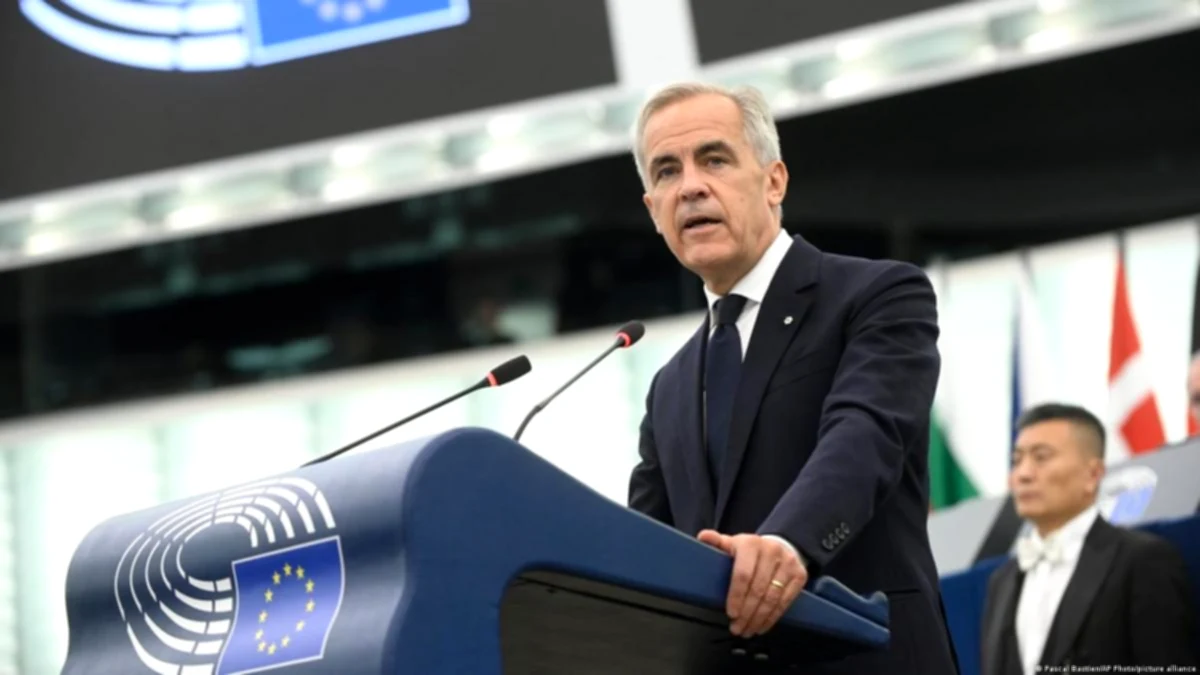
European Commission President Ursula von der Leyen and Canadian Prime Minister Mark Carney presented the project during an event held on the sidelines of the UN General Assembly in New York, with the aim of raising resources to strengthen scientific ocean surveillance on a global scale.
The Horizon Research Programme will provide a contribution of €92 million from the European Union, while Canada will add$ 82 million, or roughly €51 million, over the next five years.
The initial funding already amounts to at least 211 million euros ( 240 million USD ), combining direct economic contributions and material resources, in addition to the contributions made by the rest of the partners.
Additionally, the program will encourage the use of technological and scientific tools, such as oceanic sensors, sea drones, and data processing facilities.
These resources may aim to maintain existing assessment networks, near information gaps that are deemed necessary, and strengthen the global system dedicated to ocean surveillance.
The World Ocean Observation System ( GOOS), which is co-sponsored by UNESCO and the World Meteorological Organization, will be supported by the alliance.
This system now gathers around 120, 000 regular observations from about 8 000 platforms run by 64 nations and 17 international observation networks.
The information gained enables the improvement of weather and climate forecasts, enhance maritime security, safeguard coastal communities, advance marine biodiversity conservation, and promote the development of sustainable economic activities tied to the ocean.
Places that are included in the program include Angola, Brazil, Chile, Colombia, Costa Rica, Costa Rica, Iceland, Madagascar, Mauritius, Mexico, Namibia, Norway, Palaos, South Korea, the United Kingdom, the Faroe Islands, and Brazil, Chile.
Spain, France, Germany, Italy, Portugal, Ireland, Belgium, Greece, the Netherlands, Croatia, Cyprus, Malta, and Slovenia are just a few of the EU Member States that take part in the event.
In order to guarantee the viability of a system that greatly depends on the contributions of a small group of wealthy donors, organizers anticipate holding fresh fundraising and commitment events between 2026 and 2028, including global meetings like COP31.
Don’t let the algorithm hide the news. If you trust this site for verified information, please take a moment to select us as your preferred source on Google: click here and mark the box or press the DW.com button to always see our verified news in your preferences.