The portrait of hunger in the USA is very different from the stereotype of malnourished children
Data from the U.S. Department of Agriculture indicates that 13% of American households face food insecurity
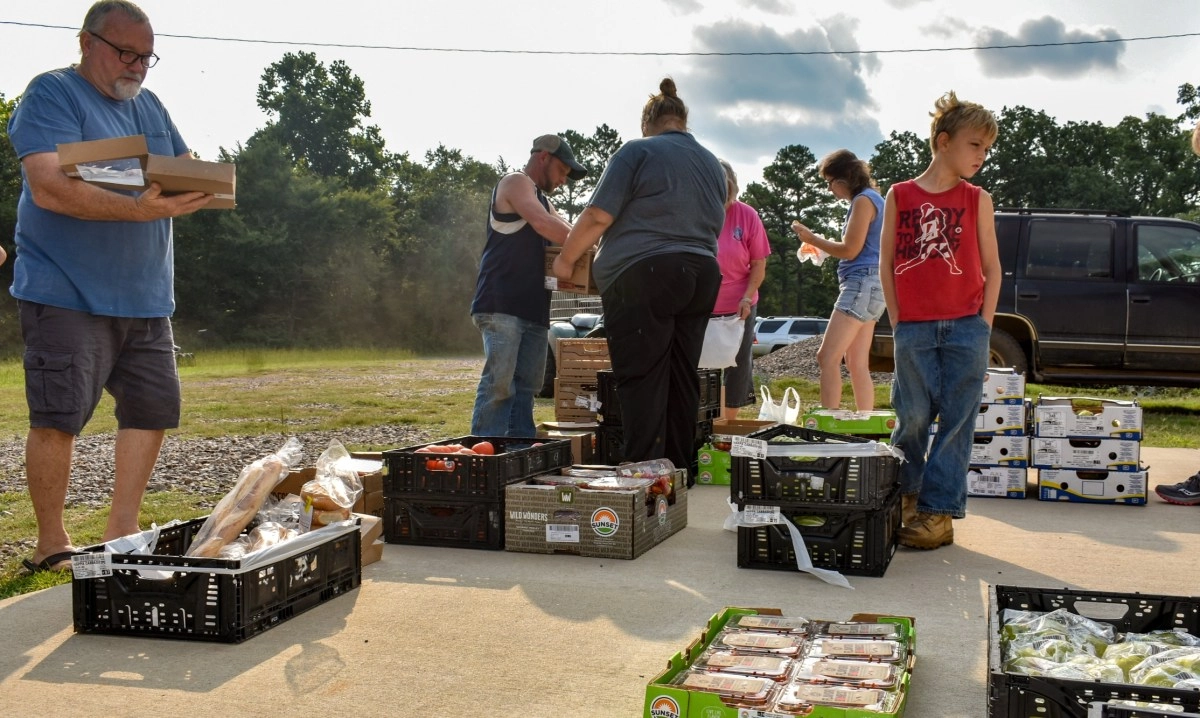
Although hunger in the United States is often less obvious than in other parts of the world, where it is often only visible in malnutrition, its presence is felt in children's behavior and family anxiety.
Data from the Department The U.S. Department of Agriculture indicates that 13% of American households face food insecurity. The case of Marilyn Vargas, a mother of six, who collects donations at a food pantry in Easthampton, Massachusetts, is noteworthy. The family's only income comes from her federal disability check, Vargas said, according to statements collected by National Public Radio (NPR). Her situation reflects the impact of hunger on working families who depend on government programs and donations to survive. She recounts that she couldn't stop thinking about a difficult time a few years ago when they lived in North Carolina, far from any food bank. “When her transportation was cut off, she couldn't get to her job at a store, 20 miles away. She had no salary and, therefore, no money for groceries,” the website reports about her experience.
“I felt terrible, I cried. I was desperate. The only food I had, I gave to my children,” she confessed.
Vargas's case is neither unique nor so particular, as it is experienced by thousands of families across the United States.
Mary Cowhey, a Massachusetts resident who experienced hunger in her childhood, also shared her story and the lasting effects that food insecurity had on her adult life. Cowhey has become an advocate for healthy eating for her children, recalling the trauma of her own childhood.
Effects on Child Development
Experts warn that a lack of access to nutritious food can have lasting effects on children's physical and psychological development,affecting their learning and socialization abilities.
Studies show that food insecurity can impair brain development, especially in young children.
Food Policies and the Hunger Crisis
As food policies are debated in government, politicians argue about the effectiveness of the Supplemental Nutrition Assistance Program (SNAP), while experts maintain that policy decisions ignore the daily realities of those suffering from hunger.
The need to address food insecurity with a humane and empathetic approach is emphasized.
Factors Contributing to Food Insecurity
The main factors contributing to food insecurity in the United States are low income and unemployment, the high cost of living (housing, utilities, health care), physical barriers to accessing healthy food, and structural inequalities such as racial discrimination.
Economic Factors
Cost of Living and Basic Expenses
Geographic and physical access to food
Health and personal conditions
Structural factors and discrimination
You may also be interested in:
This news has been tken from authentic news syndicates and agencies and only the wordings has been changed keeping the menaing intact. We have not done personal research yet and do not guarantee the complete genuinity and request you to verify from other sources too.