Sunrise:
Sunset:
°C
Follow Us

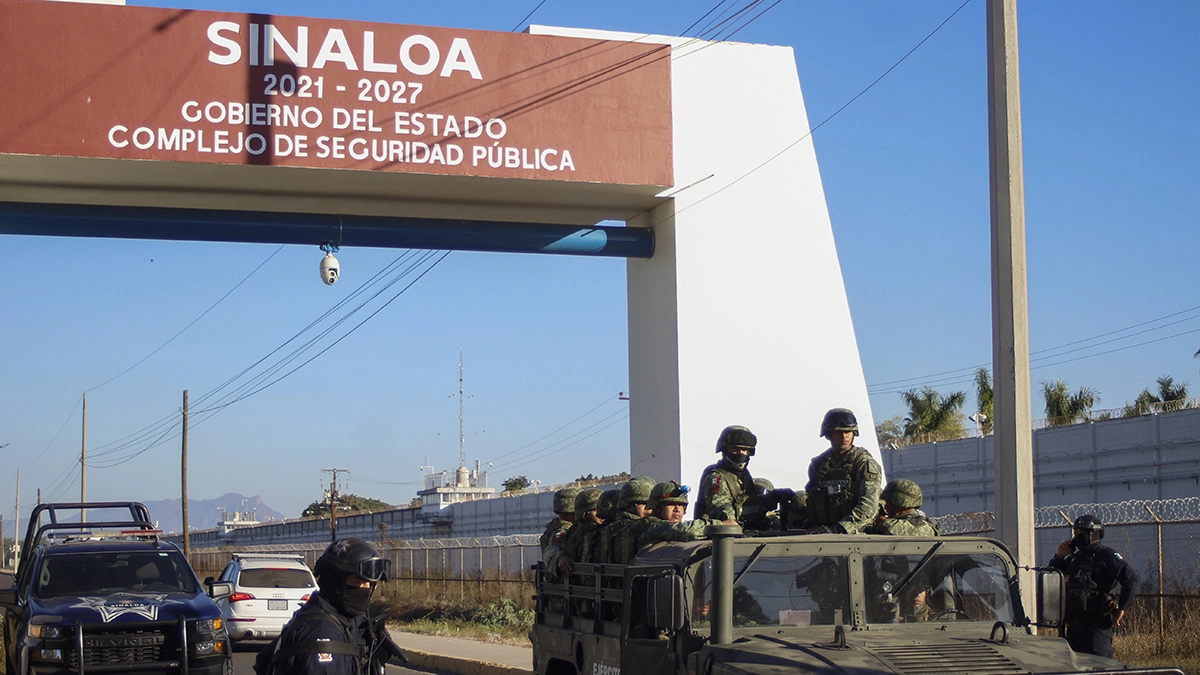
Why the state of Sinaloa is considered “the cradle of drug trafficking”

Sinaloa has been the core of drug trafficking production and operations in Mexico, where several of the most notorious organized crime bosses emerged
Why the state of Sinaloa is considered ldquothe cradle of drug traffickingrdquo
Time to Read 4 Min

Sinaloa, a condition in northwestwestern Mexico, is considered to be the country's epicenter of drug trafficking. For more than a century, the story of organized crime in this area has shaped the lives of its residents in terms of economic, cultural, and social life, making it a crucial area to study the global expansion and drug trafficking phenomenon in Mexico. with a population of? ? ? and almost three million? The state's 58, 200 square kilometers of hilly terrain, which includes Durango and Chihuahua, makes it a top destination for poppies and weed cultivation. This area has been the center of drug production and trafficking for decades because of its tough access and positive climate. The causes: conflict, Chinese movement, and opium. The 20th century saw the emergence of drug smuggling in Sinaloa, when Chinese immigrants like the mysterious Lai Chang Wong, brought information about heroin with them. In the area, opium production began as part of a deal between the Mexican and US administrations during World War II to provide medicine to British soldiers, according to study conducted by historian Froylan Enciso. Due to the urgency of the time, the large planting of flowers in Badiraguato, a Sinaloan town nestled in the mountains, was motivated. According to reports, Chang Wong apparently directed US officials to the best locations to grow the drug. Manufacturing continued after the battle ended in 1946 and increased uncontrollably. Over time, the Mexican government lost power of this generation. In an interview with the paper Milenio, Enciso explained in an exam that the industrialization of opium candy was" a major thing. " In Sinaloa, medicine rulers are born. Drug trafficking accelerated in Sinaloa, and with it came some of the most well-known drug nobles in Mexican organized crime. El Chapo Guzman, Ismael" El Mayo" Zambada, Miguel Angel Angel Gallardo, Rafael Caro Quintero, Ernesto Fonseca, alias" Don Neto," and the Beltran Leyva boys are just a few of them.

All of them were born in Badiraguato, a town of only 30, 000 people, or close to it. The place served as both their protection and their place of origin. For instance," El Chapo" used the mountains of the Golden Triangle to secede and run, which were kept secret by an unbreakable security system.

His reputation remains strong even after his record. In a tale that portrays him as a kind of nearby Robin Hood, it is common to see walls with his mouth and encouraging words in Badiraguato, but many people also hold him accountable for forced displacement, dangers, and violence.

Sinaloa's horizontal business

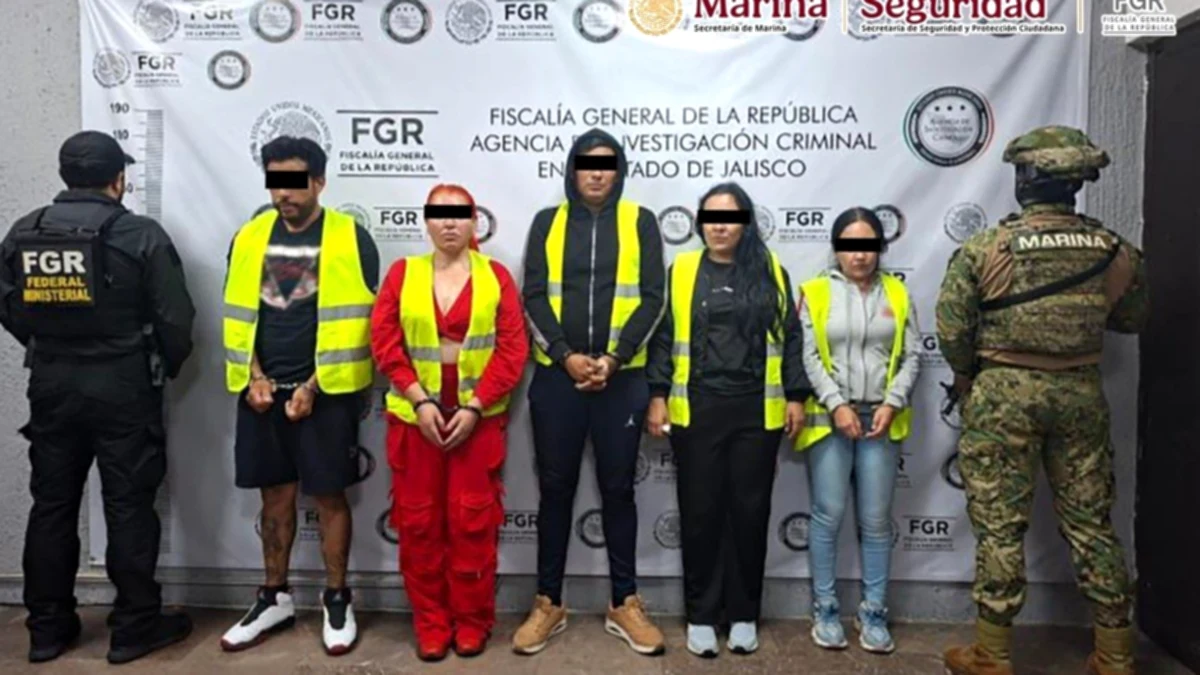
Culiacan, the country's investment, is also one of the obvious signs of the negative effects of drug trafficking on the economy. It is the area where the most expensive pickup trucks in the whole country are sold, according to Nexos magazine. Porsche, Hummer, Cadillac, Mercedes-Benz, and BMW are all well-known models that can be found on the streets of the city. The money that is circulating regards to drug trafficking can be seen in ostensible homes, pubs, restaurants, and casinos. A sophisticated community lies beneath this opulence, which includes drug dealers, hitmen, marketers, businesspeople who launder cash, police officers who protect the kingpins, and defense personnel who work with legal organizations. The human cost of medicine smuggling in Sinaloa is very large. Homicides, robberies, abuse, and disappearances are among the results of the cartel dispute over control of roads and territories. The crime rate in towns like Badiraguato is five times higher than the national average. Additionally, drug trafficking includes powerful transportation networks as well as production-related activities. During the 1980s, Cessna and Turbo Commander plane flew supplies from South America, stopping in Sinaloa before entering the country. By sea, shellfish boats that later became medicine boats used the government's more than 600 kilometers of coastline to transport goods to Baja California. The US government has been at the forefront of drug production and operations in Mexico, using the phrase" Golden Triangle" to refer to the Southeast Asian region with large drug production. This area produces fentanyl, a very addicting synthetic substance that has caused a public health crisis in the United States, in addition to flowers and pot. In a symbolic effort to change the state's reputation, former president Andres Manuel Lopez Obrador suggested changing the name of the Golden Triangle to" Triangle of Peace" or" Triangle of Good People" as the new name. However, the program is still governed by the impact of history and the influence of legal companies. Drug trafficking in Sinaloa has been a structured program for over a decade, making it more than just an isolated phenomenon. This state is regarded as the epicenter of drug trafficking in Mexico because of its historic roots, physical settings, economical marginalization, and organisational corruption.

This news has been tken from authentic news syndicates and agencies and only the wordings has been changed keeping the menaing intact. We have not done personal research yet and do not guarantee the complete genuinity and request you to verify from other sources too.

Also Read This:


Share This:


About | Terms of use | Privacy Policy | Cookie Policy