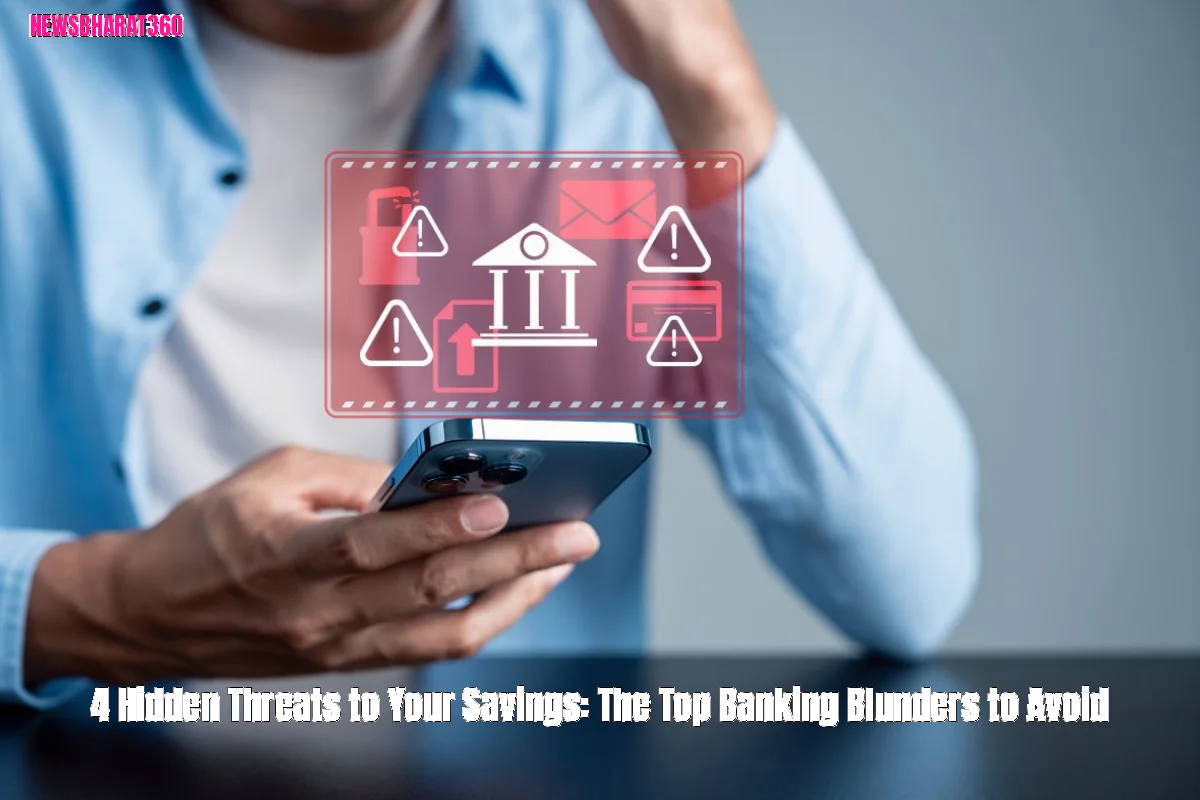

Individuals who maintain a bank account may be under the misconception that their funds are entirely secure. However, vulnerabilities such as brief distractions, easily guessable passwords, or seemingly innocuous habits can inadvertently create an opening for scammers, potentially compromising the safety of their savings.
JPMorgan Chase's chief fraud prevention officer and banking adviser, Darius Kingsley, has cautioned that numerous financial issues often stem from avoidable everyday errors, which can be mitigated with straightforward precautions. To safeguard bank accounts and personal data, individuals should review the following four practices.
Customers are being warned about the potential for deceitful text messages that claim to alert them to suspicious transactions, often requesting prompt action. These messages are actually a tactic used by scammers to obtain sensitive banking information.
Consumers are advised to be cautious of unsolicited messages from their bank, including text messages and emails, that request confidential information, prompt them to click on links or phone numbers, or create a sense of urgency.
Individuals who receive suspicious alerts are advised to exercise caution and refrain from interacting with the notification. This includes avoiding the click of any embedded links and the disclosure of sensitive information such as passwords. Instead, they should contact their bank directly using the customer service phone number listed on the back of their debit or credit card.
Using the same password across multiple online platforms, such as email, social media, and bank accounts, can create a vulnerability that scammers can exploit. If an individual's credentials are compromised on one service, the perpetrator may attempt to utilize those credentials to gain unauthorized access to their other online accounts.
Experts advise regularly updating account passwords with a combination of complex characters, including uppercase and lowercase letters, numbers, and special characters.
Individuals are cautioned against duplicating sensitive information, such as login credentials, particularly on financial accounts and personal email.
Individuals are advised to adopt enhanced security measures by utilizing unique passwords, exploring the use of password management tools, and activating two-factor authentication to bolster their online protection.
Cheques, while still accepted for certain transactions, pose a risk to financial security due to the sensitive information they contain, which can be exploited by fraudsters if they are intercepted or stolen.
The use of paper cheques as a form of payment has seen a substantial decline in recent years, coinciding with a rise in cheque fraud cases.
When making financial transactions, consider using digital alternatives that allow for record-keeping. For users of Zelle, it is essential to follow best practices, such as only sending money to individuals who are known and trusted.
Banks often provide customers with tools to stay informed about account activity, including movement notifications and transaction tracking, as well as resources to monitor credit and identity. Utilizing these features can help expedite the detection of unauthorized transactions.
Kingsley emphasized the importance of utilizing tools like Chase Credit Journey, a service that enables users to track their credit and receive notifications about potential threats to their personal data.
Customers are advised to regularly monitor their account activity, enable transaction notifications, and promptly report any unfamiliar charges to prevent potential financial losses. In the event of receiving a suspected fraud alert, individuals should verify its legitimacy by contacting their bank through official channels.
Protecting one's savings can be achieved without extensive financial expertise. By cultivating good digital practices, regularly reviewing transactions, and being cautious of messages that demand immediate action, individuals can significantly minimize their risk of financial loss.
Individuals may find additional relevant information in related stories.