
There are messages that come to a phone and look completely normal: a bank offer, a security alert or a request to update a password may not raise suspicions. The problem is that, behind some of those contacts, there may be a scam designed with real victim information and tools capable of imitating ever better human communication.
Synthetic intelligence is changing the way online thieves operate. A new survey by Consumer Reports, Aspen Digital and the Global Cyber Alliance ( GCA ) found that 9 out of 10 US adults surveyed had faced a digital scam or cyberattack.
“Nine out of ten Americans have been victims of a hoax or a computer attack, ” said Phil Radford, president and chief executive of Consumer Reports, in the report. “It’s never a statistic, but almost all of our clients. ”
The Consumer Reports study included 5,000 adults in the United States between March and April, and 17 % of consumers said they lost money due to a modern security breach.
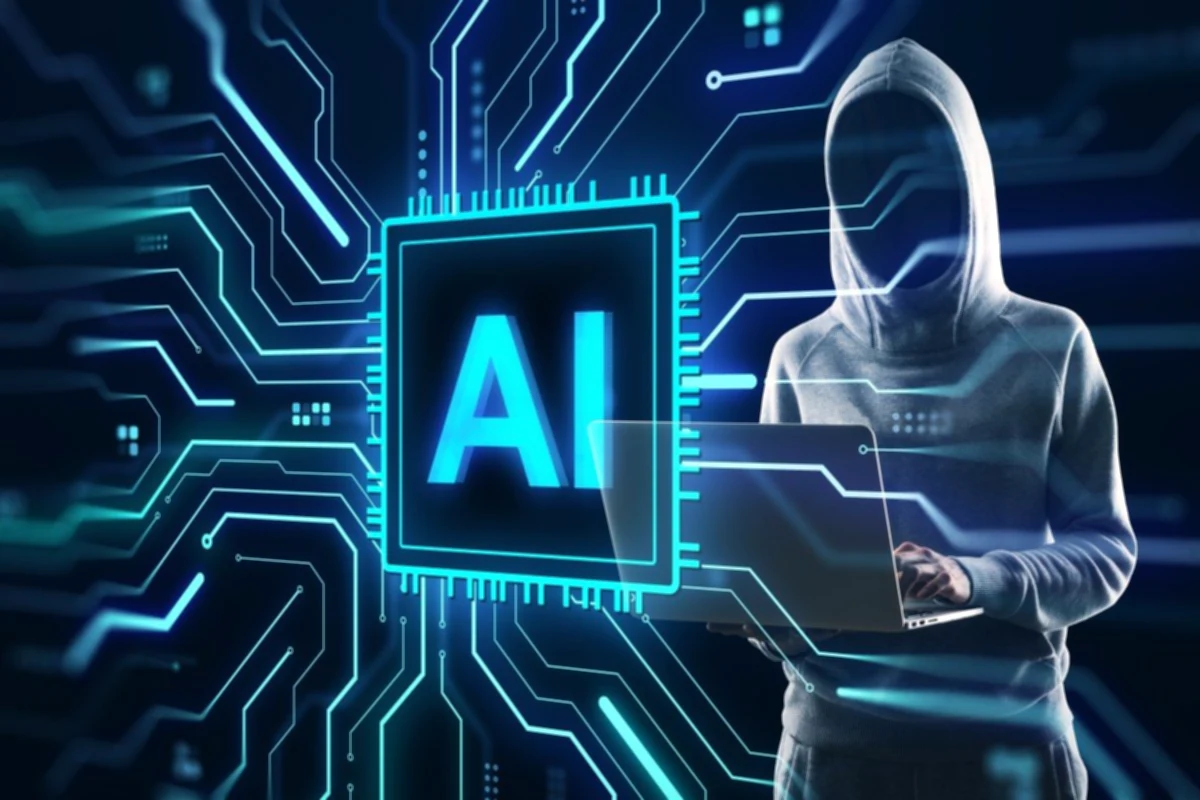
The progress of AI adds a new dimension to the problem. Researchers consulted by CBS News explained that these tools allow for faster processing of information and using private data to create more distinct schemes.
" Citizens have stereotypes about who are the victims of schemes, but the truth is that now it happens to anyone, and AI will only speed up this process", said Stacey Higginbotham, a cyber security researcher at Consumer Reports. " I think we haven't even seen the process in terms of the quantity and quality of the hoaxes that affect people".
A data filtering may leave personal information circulating in the hands of third parties. With data such as an address, financial information or other details about a person, a criminal can try to build a message that seems legitimate.
Artificial intelligence is now greatly automate a lot of that job, replacing the manual labor that used to personalize dozens of messages.
" AI makes it easier for scammers to use the consumer information they have, and it lowers the cost of reaching even more individuals with those personalized emails," Higginbotham said.
According to the scholar, one in five schemes involve some form of personalization.
Fraud doesn't need to be limited to a list of e-mails that have spelling mistakes or a highly dubious website. Deepfake technology, which can produce false content with compelling appearance, can be facilitated by artificial intelligence by using artificial intelligence tools to facilitate fraud.
The energy required to customize everything before AI was excessive, according to Colin Ferris, a security expert at Silverfort. It was too much work to personalize 50 phishing messages.
In this circumstance, specialists advise strengthening online accounts. When a password is compromised, multi-factor identification, including two-factor verification, can become an additional hurdle.
But, Global Cyber Alliance president and CEO Brian Cute made the observation that specific measures do not automatically solve the issue.
They didn't stop the abuse coming from the community on their own, according to Cute, who cited illegal forwarding and registered domain names for malicious purposes. " To near those spaces, we need the cooperation of business, government, and generosity, and that cooperation is as important for a safer Internet as any password or security patch. "
One of the simplest advices is not to work right away when faced with an unexpected information. Delay nine seconds before opening a record, downloading it, or responding to a suspicious email or message is a suggestion in the Take9 effort.
This brief period can be used to more precisely determine who sent the information and what requests are made. Additionally, it prevents making spontaneous decisions when the phone attempts to put you under pressure, fear, or urgency.
A break before action remains a simple defense despite the advancements of artificial intelligence tools that you make scams more powerful. This type of fraud can be prevented by enabling two-factor identification and by identifying potential requests for money, credentials, or private information.
You might also be interested in: