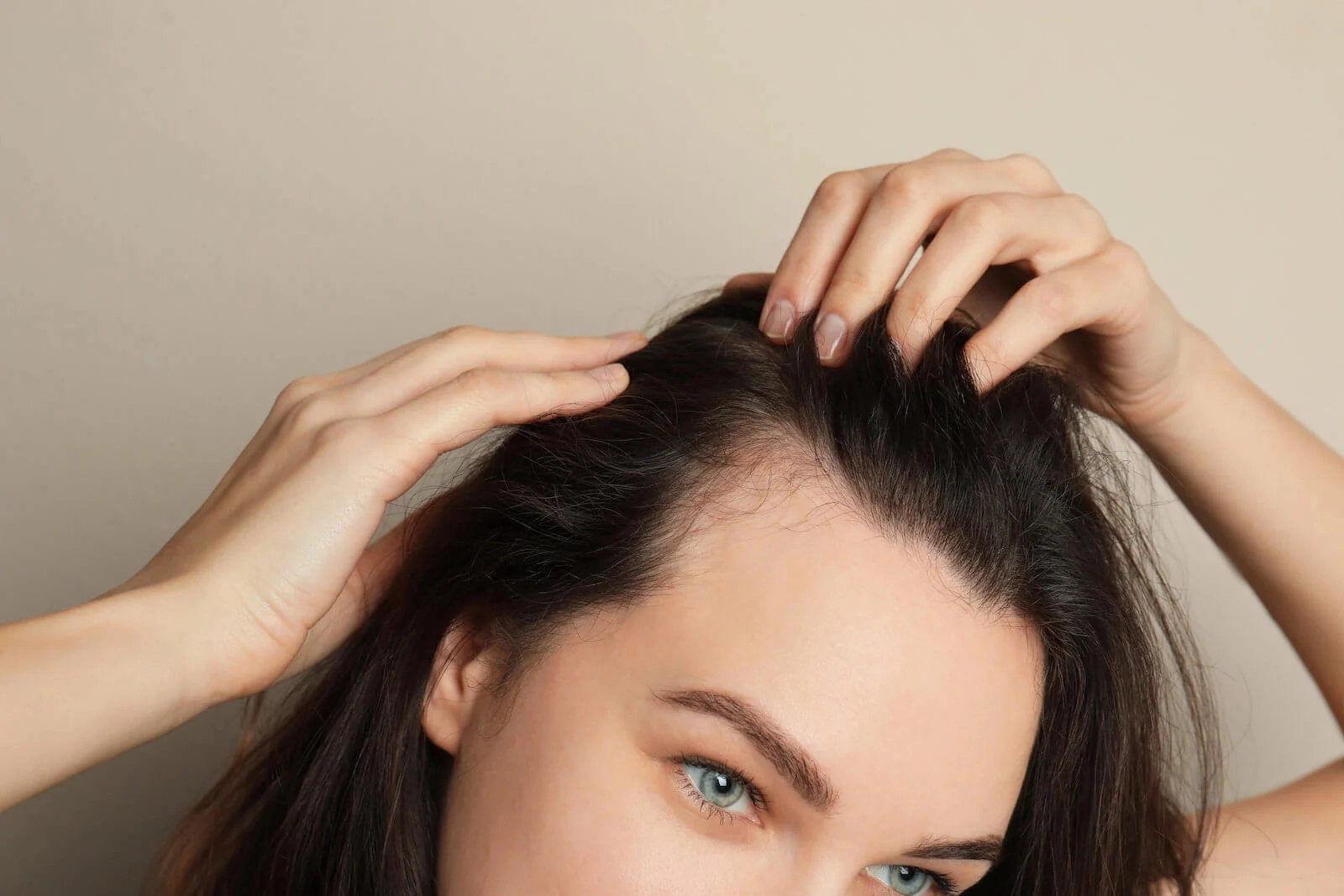

Healthy hair begins beneath the surface of the scalp. While many people invest time and money in hair products, the condition of the scalp itself is often overlooked until noticeable problems appear. Because the scalp is a living layer of skin filled with active hair follicles, it can be affected by several medical conditions that influence hair growth.
When the scalp becomes irritated or inflamed, follicles may struggle to produce strong and healthy hair strands. Over time this can result in thinning hair, breakage, or increased shedding. Many individuals searching online for solutions such as “hair restoration near me” eventually discover that scalp health is one of the most important factors in maintaining long-term hair growth.
Several diseases and scalp disorders can disrupt this environment, making early awareness extremely valuable.
Seborrheic Dermatitis
Seborrheic dermatitis is among the most frequently seen scalp disorders. It usually presents itself with flaking, redness, and persistent itching on the scalp surface. While it is often mistaken for basic dandruff, the condition can be more stubborn and uncomfortable.
This issue typically develops when excess oil production combines with a natural yeast that lives on the scalp. When this balance shifts, irritation and inflammation can occur. Inflammation surrounding the hair follicles may weaken them over time and increase the likelihood of hair shedding.
Environmental factors such as pollution, stress, and climate changes—common in busy cities like San Francisco—may sometimes worsen the condition.
Scalp Psoriasis
Psoriasis is a chronic autoimmune condition that can affect the skin in various areas of the body, including the scalp. When it appears on the scalp, it often forms thick, scaly patches that may extend slightly beyond the hairline.
These patches are usually accompanied by redness and irritation, and many people experience intense itching. Repeated scratching can damage nearby hair follicles and may cause temporary hair loss.
Although scalp psoriasis does not always lead to permanent hair loss, ongoing inflammation can interrupt the normal cycle of hair growth. Managing the condition often involves a combination of medical treatment and proper scalp care.
Alopecia Areata
Alopecia areata is another condition that directly affects hair follicles. This autoimmune disorder occurs when the body’s immune system mistakenly attacks its own hair follicles.
The result is sudden hair loss, often forming small circular patches on the scalp. The condition can appear unexpectedly and may affect people of different ages.
Some individuals eventually experience full hair regrowth, while others may deal with recurring episodes. Although the exact cause is still being studied, experts believe that genetics, stress levels, and immune responses all play a role.
Seeking guidance from scalp care professionals early can help manage the condition and support a healthier scalp environment.
Fungal Scalp Infections
Fungal infections are another issue that can disrupt scalp health. One well-known example is tinea capitis, sometimes referred to as scalp ringworm. Despite the name, it is not caused by worms but by fungi that invade the scalp and hair shafts.
Typical symptoms may include itchy patches, redness, brittle hair, and small areas of hair loss. In some cases the scalp may become tender or inflamed.
Although children develop these infections more frequently, adults can also be affected. Early treatment is important because prolonged infections may damage hair follicles and interfere with normal hair growth.
Folliculitis
Folliculitis occurs when individual hair follicles become inflamed or infected. It often appears as tiny red bumps that resemble pimples around the base of the hair.
This condition can be caused by bacteria, yeast, excessive oil, or irritation from certain hair products. If folliculitis persists for a long period, it may weaken the follicles and contribute to hair thinning.
People who frequently apply heavy styling products or oils may be more susceptible to this issue if buildup accumulates on the scalp.
Why Scalp Diseases Influence Hair Growth
Hair follicles depend on a balanced and healthy scalp environment to produce strong hair fibers. When diseases cause inflammation, infection, or immune system reactions, the follicles may not function normally.
Reduced circulation and irritation around follicles can disrupt the natural growth cycle of hair. As a result, hair may grow more slowly or shed more easily.
Addressing scalp problems as soon as symptoms appear is one of the most effective ways to protect long-term hair health.
The Value of Professional Scalp Care
Modern hair wellness practices are increasingly focused on scalp health rather than simply treating hair itself. Maintaining a clean, balanced scalp creates the ideal environment for hair follicles to grow and thrive.
Professional scalp care services typically involve deep cleansing, gentle exfoliation, hydration treatments, and massage techniques designed to improve circulation. These methods help remove buildup and restore balance to the scalp.
In the Bay Area, many people seeking specialized scalp treatments turn to head spa services like Sunday Headspa, which focuses on scalp rejuvenation and advanced hair wellness treatments.
Supporting Long-Term Scalp Health
While some scalp diseases require medical care, maintaining consistent scalp hygiene and care habits can help reduce the risk of many common issues.
Simple practices such as using gentle hair products, washing regularly, avoiding excessive buildup, and paying attention to scalp changes can support healthier hair growth.
Recognizing early warning signs—such as itching, persistent flakes, or unusual hair shedding—can also help individuals address scalp concerns before they become more severe.
Conclusion
The scalp plays a crucial role in the health and strength of our hair. Conditions like seborrheic dermatitis, psoriasis, alopecia areata, fungal infections, and folliculitis can interfere with the natural hair growth process if left untreated.
Understanding these conditions makes it easier to recognize symptoms early and take appropriate action. By combining medical advice with proper scalp care practices, individuals can protect their scalp environment and support healthier hair over time.
For those living in California, particularly around San Francisco, focusing on scalp care and seeking professional treatment when needed can significantly improve both scalp health and hair vitality.