
California — Over the years, the scalp restoration and skin care sector underwent significant changes. What was once primarily associated with cosmetic procedures, hair transplants, and simple scalp treatments has now become a more expansive field that combines technology, personal care, scalp wellness, and long-term hair health.
The conversation is extremely shifting from simply replacing lost locks to understanding the condition of the head and supporting existing hair as consumers become more aware of the potential causes of hair thinning and skin concerns.
From Cosmetic Solutions to Detailed Hair Care
People who had hair thinning relied mostly on cosmetic products, specific shampoos, hairpieces, and other appearance-focused products for decades. Although these products may change the way tresses looked, they did not always tackle the causes of hair loss.
Hair follicle and skin wellbeing are gradually becoming the focus of the industry. Finally, there were surgical hair restoration techniques, medical treatments, and pharmaceutical approaches.
Because it allowed a way to travel existing cells to areas affected by hair loss, hair transplant became a significant development. Modern transplant methods have continued to advance, resulting in more precise results and effects that appear more natural.
The Fall of Non-Invasive Choices
The growing interest in non-invasive hair repair technology has been one of the more recent developments.
Today, many people are searching for treatments that don't require extensive recovery periods, such as surgeries. This has spurred tech companies and providers to look into other ways to promote hair and scalp healthcare.
Low-level light treatment and ultrasound-based solutions are now a part of the more general discussion about non-invasive hair restoration.
Alma TED and the Changing Treatment Landscape
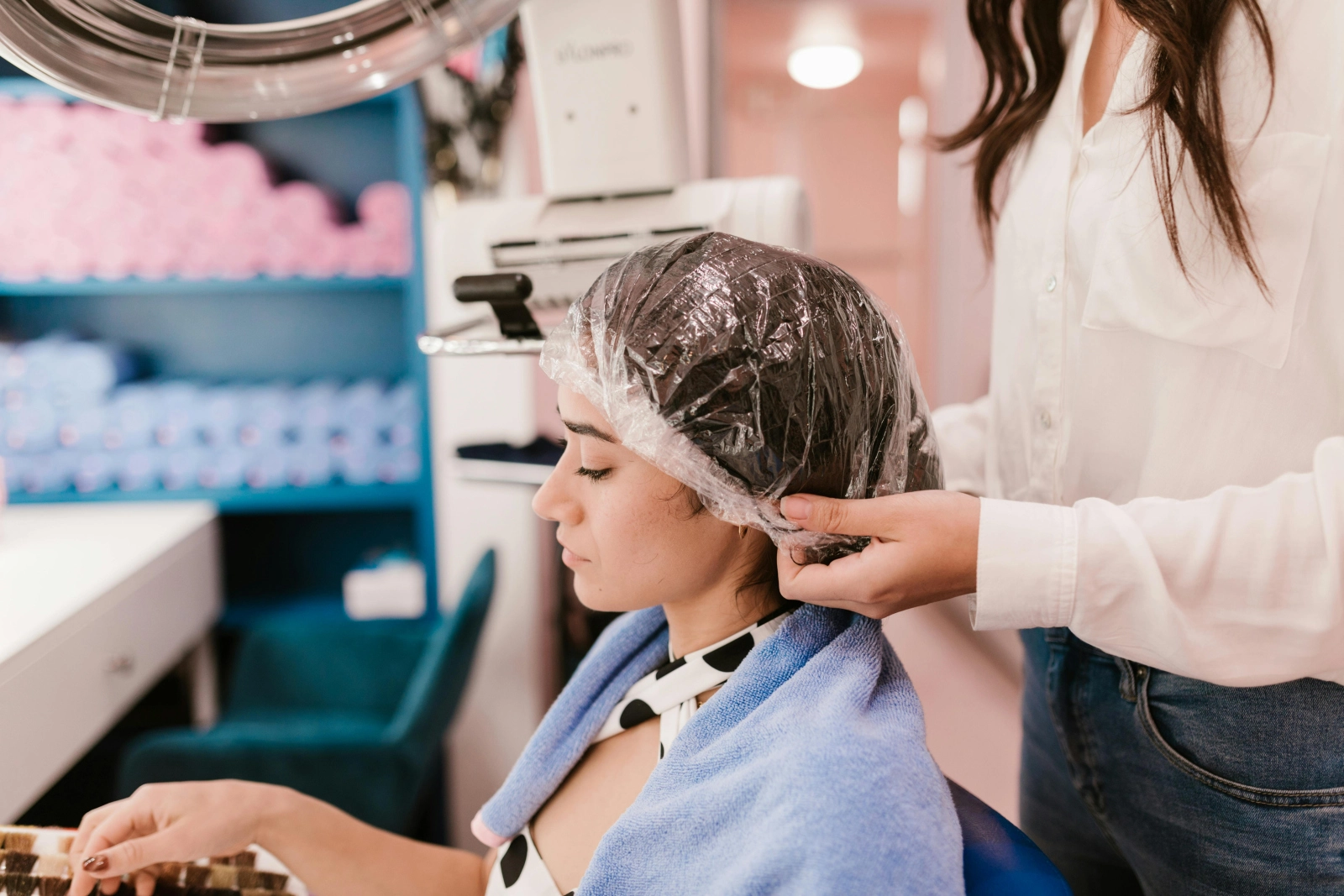
Alma TED is an illustration of the more recent innovations gaining attention in the field. It employs ultrasound-based technologies as part of a needle-free method to help provide a professional hair-supporting formulation into the scalp.
People are now looking for alternatives to medical or injectable treatments because of the advancement of the technology. But, experts stress that no treatment is suitable for all and that each person's outcome may be different.
The development of tools like Alma TED and similar ones reflect a larger change in the field toward personal care and secure, non-invasive treatment experiences.
Scalp Health is at the center of attention.
The growing reliance on skin health has probably been one of the most significant changes in recent years.
Recently, discussions about hair care frequently focused almost entirely on the hair shaft. Consumers are now paying more attention to the scalp's environment, including washing, moisture, accumulation, oil balance, and public scalp condition.
This has led to the expansion of specialized skin wellness programs that transcend conventional salon treatments.
Personalization Is Increasingly a Focus
Hair damage is not a solitary state with a single root. Genetics, aging, hormonal changes, stress, diet, lifestyle, and some health conditions may all play a role in changing tresses density.
Customized evaluation has therefore grown more important. Before recommending a care, companies are putting more effort on understanding the patient.
Consumers can explore their specific concerns and decide whether a specific technology or treatment is best for them in this manner.
Skin Study: A Growing Role
In contemporary locks wellness programs, the use of specialized scalp analysis has also grown in importance. Taking a skin condition into account can help identify issues that might not be apparent during a regular hair-care visit.
Scalp-focused solutions may include specialized cleaning, moisture treatments, accumulation management, and customized home care recommendations.
As part of comprehensive care plans, these companies are extremely being combined with hair restoration technology.
California Shows the Company's Changing Direction
California has grown to be a significant market for wellness and hair restoration products, with users getting to choose from a variety of choices.
People searching for terms like "hair restoration near me," "scalp treatment near me," and "hair repair in California" today have access to professionals who offer treatments ranging from medical restoration to specialized scalp wellness programs.
Sunday Headspa in the San Francisco region is one example of a company that concentrates on the link between scalp wellbeing and non-invasive tresses repair. Alma TED is one of its services, as are personal scalp care and treatment planning.
Users Are Increasingly Conscientious.
On the customer aspect, a significant change has occurred. More people than ever before have access to much more information about hair damage and treatment options.
Consumers can now study procedures more effectively using net searches, educational material, professional sessions, and social media.
A new challenge has also been created by the abundance of information: separating accurate information from overblown advertising claims. Business professionals continue to encourage consumers to get qualified advice and keep realistic expectations.
The importance of long-term scalp wellness
The notion that hair restoration is a one-time function is becoming increasingly prevalent in the modern industry. Otherwise, a large number of companies are promoting long-term hair and scalp health.
This might include specialized treatments, ideal home care, healthy lifestyle habits, normal scalp exams, and follow-up visits.
The goal is not just to address apparent thinning, but to also understand how the scalp and hair's overall condition is affected.
What Was Future?
The upcoming stage of the sector is likely to require yet greater personalization. Advancements in technology may help doctors discover more about each person's skin condition and create more personalized care regimens.
The need for comfortable and convenient procedures is likely to continue to influence technology at the same time.
Conclusion
The outlook on locks health has fundamentally changed as a result of the growth of the hair restoration and skin care industry. Non-invasive technologies, scalp wellness, personal care, and long-term maintenance are now the areas of focus, not just plastic appearance and medical restoration.
Users now have more choices than ever as technologies like Alma TED become a part of the wider hair restoration debate. The difficulty lies in deciding between a customized method, a specialized assessment, and reasonable expectations.
The growing collection of scalp-focused and non-invasive service represents yet another important section in the continuing evolution of the market for those looking to learn about hair restoration in California and the San Francisco Bay Area.