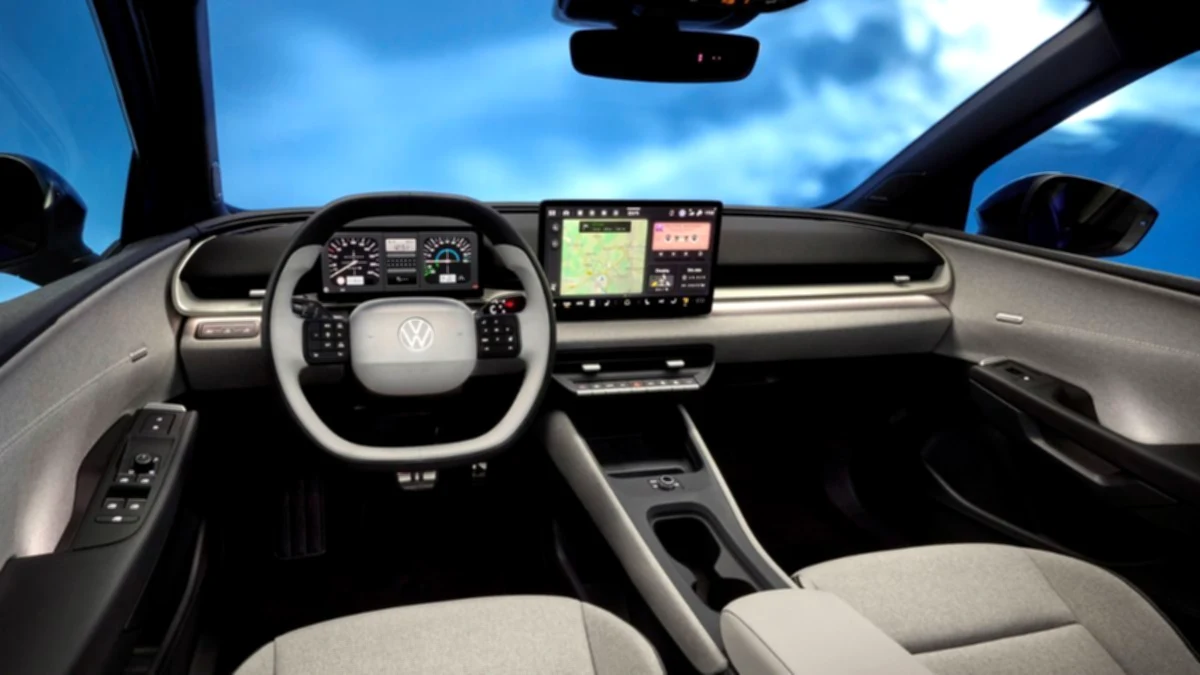

Although it may initially cost less to purchase a new vehicle, the bill doesn't always end when the customer leaves the dealer. The rules that govern how much energy should be saved by new Trump administration decisions could also be altered, as well as how much money American people have to pay over the years.
New energy efficiency standards have been developed by the Trump administration to replace those that were put in place during Joe Biden's administration. The Corporate Medium Fuel Consumption System ( CAFE), which was established by Congress in 1975, sets performance standards for vehicles.
According to the National Highway Traffic Safety Administration ( NHTSA ), the fleet will have an average yield of 34. 9 miles per gallon in the model year 2031, according to the NHTSA. The projected mileage was 50. 4 miles per gallon, according to the Biden administration's regulations. In plainer terms, this means you'll have to use more gas at once and spend more money on it over period.
According to the U. S. Department of Transportation ( USDOT ), the change will lower the average initial cost of new vehicles by$ 1,300. Additionally, it thinks Americans had save$ 38 billion over the next five years.
We've finally overturned the unlawful mandate that forced automakers to create more costly electric vehicles that American families didn't want, according to Secretary of Transportation Sean P. Duffy.
Drivers are having a hard time right now. According to the American Automobile Association ( AAA ), the average national gasoline price increased to$ 4. 48 per gallon on Monday from$ 3. 39 earlier this year.
That implies that the household finances can become more dependent on the cost of using a less effective car. A vehicle that needs more energy can cost more even if the purchase rate is lower over the course of its lifetime.
“The rules adopted during the previous administration required, in practice, a transition to electric vehicles that didn’t fit the reality of the market or consumer demand,” said John Bozzella, executive director of the Alliance for Automobile Innovation, backing the change. “Today’s final regulation presupposes an adequate direction correction.”
Not everyone, however, believes that freedom instantly results in lower car prices.
According to Ray Shefska, co-founder of CarEdge," Automobile companies are not going to lower prices because they sell between 15. 6 million and 16. 2 million fresh cars a year, while their profit margins are increasing as a result of the relaxation of government regulations on fuel consumption. "
In August, Kelly Blue Book reported an average cost of$ 50, 089 for a new car.
According to Patrick Anderson, executive producer of Anderson Economic Group," The new regulations will help manufacturers reduce costs by matching production with consumer demand. "
Economic organizations even raised concerns about the new regulations.
Less fuel-efficient vehicles result in more gasoline, more gasoline, and polluted air in our communities, according to Katherine Garca, director of the Sierra Club's Clean Transport for All ( CTFA ) initiative.
Prior to 2024 requirements, the NHTSA estimated that gasoline consumption may be reduced by 14 billion gallons by 2050.
Consumers will now have to weigh both how much the car will cost in the long run as well as how much it might cost to maintain its power.
You might also be interested in: