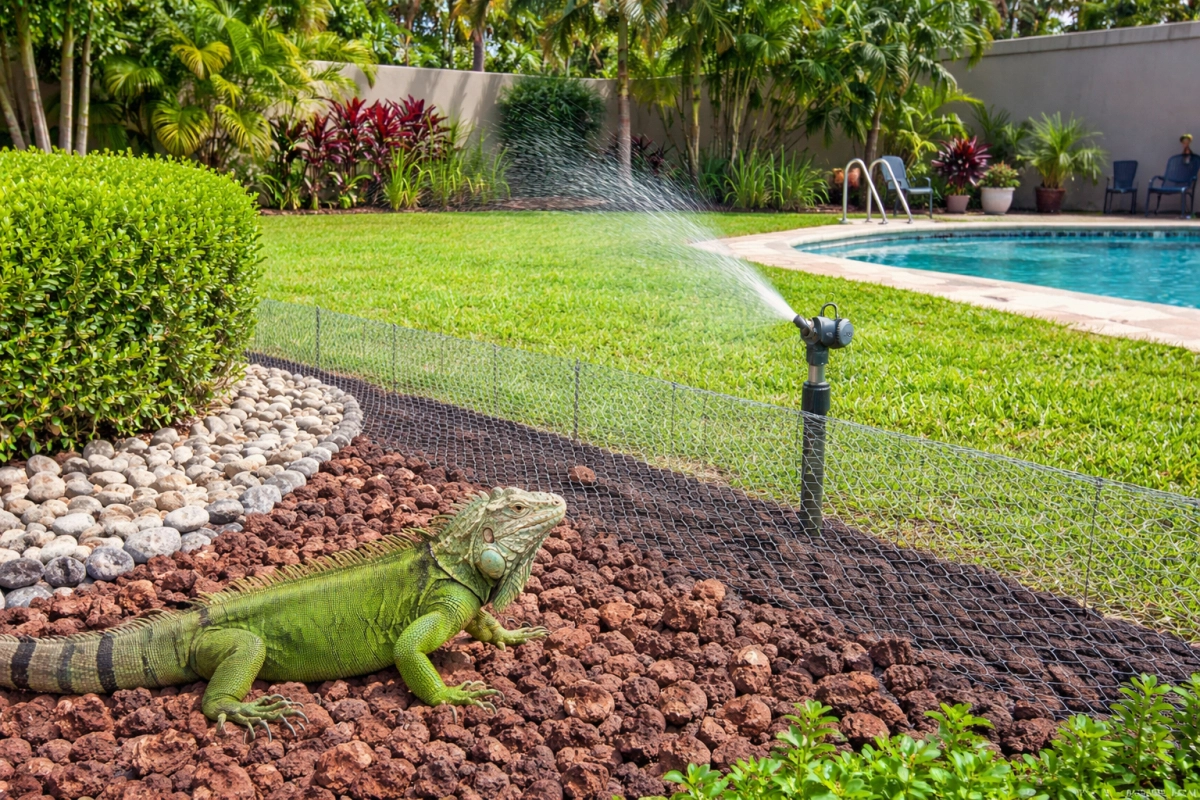

Thousands of green iguanas are multiplying inexorably in Florida, which has already resulted in the state spending more than a million bucks on record and control efforts. Although these reptiles appear unwelcome to many tourists and also appear wild, authorities view them as an aggressive varieties with a significant negative impact on the environment, economy, and health. Iguanas are now a part of the urban landscape in some South Florida cities, and the issue continues to grow year after year. Why are natural alligators a concern? Iguanas first appeared as wild animals or as part of the improper industry, and they were eventually released or escaped. The phenomenon's roots date back several decades. The rest was done by Florida's warm weather, lack of natural predators, and abundance of food. There are now estimated thousands of alligators dispersed throughout the state, particularly in Miami-Dade, Broward, and Palm Beach regions. In addition to the dangers of the distribution of bacteria like pathogens, their existence causes harm to gardens, infrastructure, levees, and drainage systems. Given this situation, Florida has put together certain measures to manage the population. The expenditures total over$ 1 million, which include agreements with licensed hunters, surveillance of sensitive areas, and efforts to raise awareness. Green iguanas can always be captured on private property ( with the owner's consent ) and in designated public places, but only under stringent animal welfare laws, unlike other guarded types. Authorities state that the aim is not to totally destroy them, but rather to lessen their impact and stop their spread. People are likewise uproaring about the increase in the iguana population. While some relatives applaud the measures because of the harm they cause to their homes and vehicles, people question the approach and demand less invasive alternatives. The truth is that if a constant power policy is no upheld, the issue is now architectural and will continue to grow. In addition, the state advises reporting uncommon quantities, not feeding them, and certainly releasing them into the wild. In addition to its economic impact, the alligator situation highlights Florida's greater problem of managing invasive species in the midst of climate change, accelerated industrialization, and mass tourism. What started out as an amazing attention has turned into a pressing environmental issue that necessitates planning, resources, and difficult decisions today. And all suggests that the alligators are still around for the moment. What not to do: what doesn't support and can lead to problems Successful treatment is not a one-time event; it's protection plus regular deterrent. The iguanas did depart on their own and won't come back if your house stops being beautiful.
You might be interested in:
What dangers do you take after a pet bit?
The sensation that accounts for alligators ' fall from trees in South Florida when it's cool.
Childhood asthma is a high risk factor for insect toxins.