
The United States developed brands that later became cultural icons, not only automobiles. Titles that once filled racecar retailers, made it to movies, and shaped the American car are no longer recognizable.
Some fell because of geopolitical errors, while others couldn't withstand economic downturns or changes in public opinion, but they all left an indelible impression on the history of the sector.
Factors like rising fuel prices, the arrival of foreign companies, and buyer preferences ' changes gradually decreased the number of American brands.
Some merged, while others were absorbed by significant business groups, and many simply vanished.Oldsmobile: A Pioneer Who Don't Survive Change
One of the oldest models in the United States, Oldsmobile, was established in 1897. It was associated with creativity for decades, standing out for introducing technological advances that later became applicable to the rest of the sector.
It positioned itself between Buick and Cadillac, taking on a significant position within the team as it did under the General Motors overcoat.
Concepts like the Toronado, the 4-4-2, and the Series 60 were recognizable, especially in the era of the powerful V8s. Yet, the company lost its appeal over time, revenue decreased, and General Motors made the decision to stop it in 2004.
Pontiac: British nimbleness at its Finest
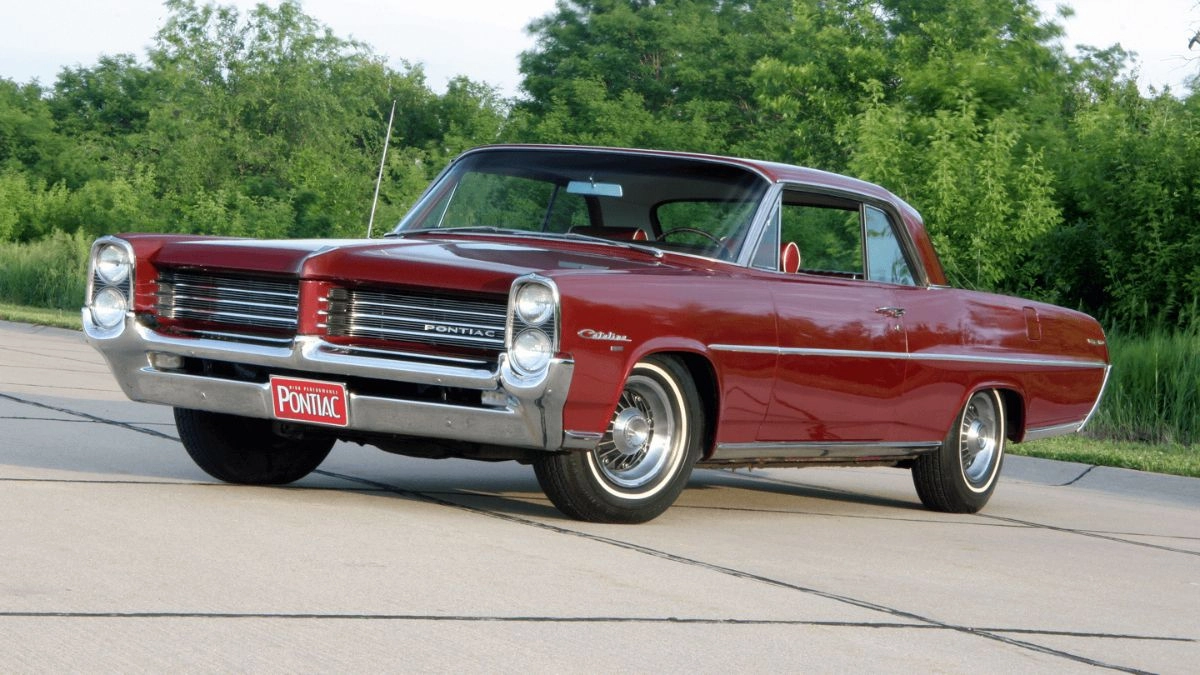
Pontiac was born with a distinctive sports nature, and it reached its height in the 1960s as the American market turned to muscle cars. Some people regard the GTO as the first body vehicles in history, and it has since become a cultural icon.
Pontiac failed to adapt to the changes in the 21st century despite its positive reputation. Revenue dropped, and General Motors made the decision to shut down the company in 2009 as a result of the financial crisis. Some of the concepts that also bring back fond memories are Bonneville, Grand Am, and Firebird.
Plymouth: One's Reaches and Mobility Is Within Their Reach
Plymouth was established in 1928 as a section of Chrysler and became the only company in the most well-known segment of the market. It remained renowned for producing high-quality, affordable automobiles for decades.
But, Chrysler cut its groups in the late 1990s, and Plymouth was one of the hardest-hit ones. The iconic designs like the Barracuda, Roadrunner, Fury, and Superbird were formally left behind in 2001, when the company went into disrepute.
Mercury: A Mid-Range Comfort That Lost Its Purpose
Ford's Mercury attempt to bridge the gap between Lincoln's premium vehicles and its contemporary versions. It has been successful in fulfilling that responsibility for many years, offering more sophisticated vehicles without charging the highest prices on the premium market. The company gradually lost its appeal, and many of its designs resembled Ford or Lincoln very much. Ford closed Mercury in 2011 with a plan focused on simplifying its investment and a face-heavy market. The Chinese Threat's solution is Saturn. In a direct response to the growth of Chinese models like Toyota and Honda, General Motors launched Saturn in the late 1980s. The goal was to provide lightweight, trusted, and adaptable vehicles in a new environment with high fuel costs. Saturn had commercially successful businesses like the SL, SC, and Vue, and he even took part in novel tasks. The company always actually realized success, though. After a failed effort at selling, GM made the decision to close the business in 2009.
Another Legends of the Past include Studebaker, AMC, and Studebaker.
American Motors Company ( AMC), which was created as a result of the merger of Nash and Hudson, has remained one of the best independent manufacturers in the country for years. Before Chrysler absorbed the business in the 1980s, the Rambler, Gremlin, and Javelin were well-known in the British automotive industry.
For its element, Studebaker switched from producing vehicles to producing famous automobiles like the Avanti and Commander, but it abandoned the Detroit giant and shut down operations in 1964.
With imposing cars that are now considered collector's items, Packard and Duesenberg exemplified the extraordinary luxury of the early 20th century. Prior to fading after merging with Nash, Hudson even left a lasting impression, particularly in NASCAR with the renowned Hornet.