Sales figures don't always tell the whole story in the automotive industry. While Tesla closed 2025 with a drop in its global deliveries and ceded the top spot as the largest electric vehicle manufacturer to BYD, the financial market continues to send a very different message. For investors, Elon Musk's company continues to be the absolute benchmark in the sector.
According to a recent study by the Chinese consulting firm CLS, Tesla remains the automotive company with the highest market capitalization in the world. Its current market value reaches $1,495,690 million, a figure that places it ahead of historical giants like Toyota and new technology players like Xiaomi, as well as surpassing BYD, currently the leader in electric vehicle sales volume.
This data confirms that, beyond short-term commercial performance, Tesla continues to occupy a dominant position in the global financial arena.
What does market capitalization measure and why is it key?
Market capitalization is one of the most widely used indicators to assess the true weight of a company in the financial markets. It is calculated by multiplying the current share price by the total number of shares outstanding, thus offering an estimate of a company's total market value.
In simple terms, this figure represents how much it would cost to acquire a company at the current market price. For analysts and investors, market capitalization not only reflects current performance, but also expectations for future growth, confidence in its business model, and its capacity for innovation. It is precisely at this point that Tesla sets itself apart from its competitors. Despite a challenging year in sales, the market continues to strongly believe in its medium- and long-term potential. Tesla ahead of Toyota, Xiaomi and BYD
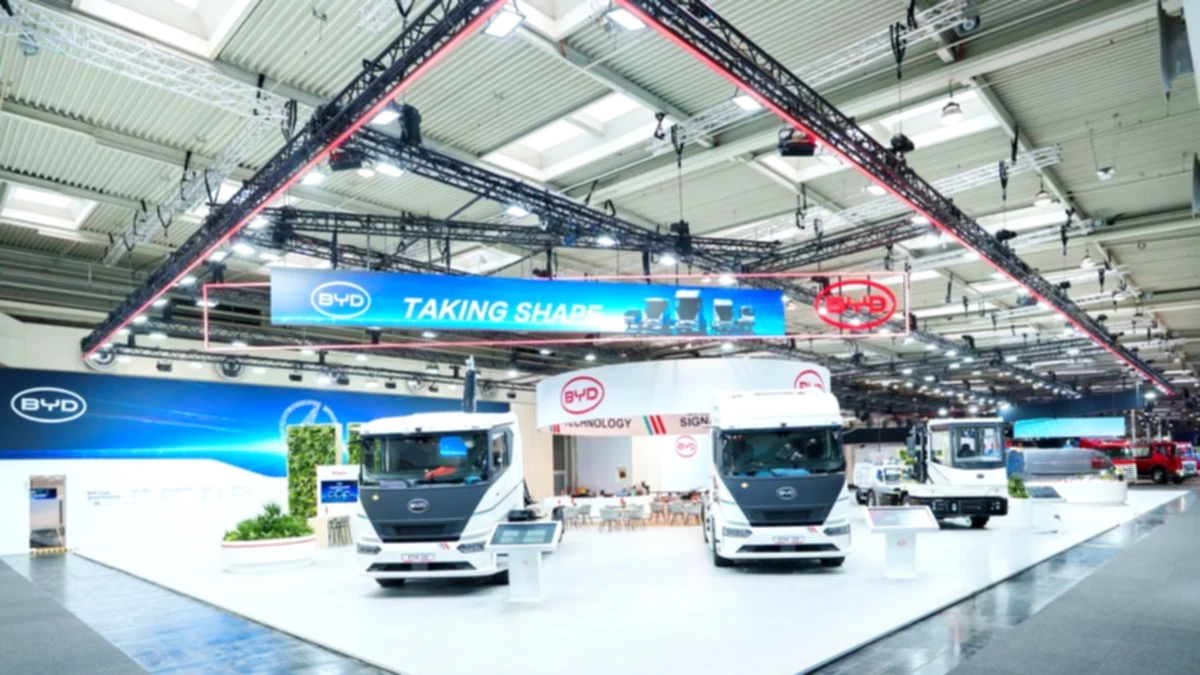
The ranking compiled by CLS places Tesla in first place, followed by Toyota,which maintains a solid valuation despite its critical stance towards full electrification. Xiaomi appears in third place, its rapid expansion in the automotive sector having been well received by the markets, while BYD occupies fourth position.
Tesla's case is particularly striking considering that the brand was overtaken by BYD as the world's largest manufacturer of electric vehicles. However, the stock market seems to value technological capabilities, the global brand, and future projections more than immediate sales volume.
Much of this confidence is based on projects that are still in the development or expansion phase, such as the autonomous driving business and the robotaxi service. The latter was met with criticism in its early stages and was even described by some analysts as "disappointing," in addition to generating incidents that keep the debate open.
Even so, investors continue to see this technology as a key source of future growth.Stock Market Growth Reinforcing Its Leadership
Another relevant finding of the study is that Tesla was the automaker that grew the most in market capitalization during the year, with an increase in $199.43 billion. This advance reinforces its leadership and demonstrates that, even in an adverse sales environment, the company managed to strengthen its position in the financial markets.
This growth is maintained despite external tensions, such as Elon Musk's open conflicts with other major technology companies in the sector, including a well-known company linked to Google. Far from affecting its valuation, these disputes have not significantly eroded investor confidence.
Chinese Advance in the Global Ranking
Beyond Tesla's dominance, the CLS report highlights a key phenomenon: the growing weight of Chinese brands in the global automotive landscape. Among the 100 companies in the sector with the highest market capitalization, 19 are Chinese, a figure only slightly lower than the 21 registered the previous year, but with more consolidated positions. Among the most notable cases is the Geely Group, owner of Volvo, which climbed to 22nd place after advancing two positions and is already considered by some analysts to be BYD's main strategic rival. Meanwhile, the Chery Group, parent company of OMODA and JAECOO, reached 24th place, reinforcing its global presence. Not all Chinese brands managed to improve their position. The SAIC Group, owner of MG, fell from 17th to 21st place, despite maintaining good sales results. This demonstrates that the stock market responds to more factors than just immediate trading performance.
Tesla's case is particularly striking considering that the brand was overtaken by BYD as the world's largest manufacturer of electric vehicles. However, the stock market seems to value technological capabilities, the global brand, and future projections more than immediate sales volume.
Much of this confidence is based on projects that are still in the development or expansion phase, such as the autonomous driving business and the robotaxi service. The latter was met with criticism in its early stages and was even described by some analysts as "disappointing," in addition to generating incidents that keep the debate open.
Even so, investors continue to see this technology as a key source of future growth.Stock Market Growth Reinforcing Its Leadership
Another relevant finding of the study is that Tesla was the automaker that grew the most in market capitalization during the year, with an increase in $199.43 billion. This advance reinforces its leadership and demonstrates that, even in an adverse sales environment, the company managed to strengthen its position in the financial markets.
This growth is maintained despite external tensions, such as Elon Musk's open conflicts with other major technology companies in the sector, including a well-known company linked to Google. Far from affecting its valuation, these disputes have not significantly eroded investor confidence.
Chinese Advance in the Global Ranking
Beyond Tesla's dominance, the CLS report highlights a key phenomenon: the growing weight of Chinese brands in the global automotive landscape. Among the 100 companies in the sector with the highest market capitalization, 19 are Chinese, a figure only slightly lower than the 21 registered the previous year, but with more consolidated positions. Among the most notable cases is the Geely Group, owner of Volvo, which climbed to 22nd place after advancing two positions and is already considered by some analysts to be BYD's main strategic rival. Meanwhile, the Chery Group, parent company of OMODA and JAECOO, reached 24th place, reinforcing its global presence. Not all Chinese brands managed to improve their position. The SAIC Group, owner of MG, fell from 17th to 21st place, despite maintaining good sales results. This demonstrates that the stock market responds to more factors than just immediate trading performance.
Tesla's case is particularly striking considering that the brand was overtaken by BYD as the world's largest manufacturer of electric vehicles. However, the stock market seems to value technological capabilities, the global brand, and future projections more than immediate sales volume.
Much of this confidence is based on projects that are still in the development or expansion phase, such as the autonomous driving business and the robotaxi service. The latter was met with criticism in its early stages and was even described by some analysts as "disappointing," in addition to generating incidents that keep the debate open.
Even so, investors continue to see this technology as a key source of future growth.Stock Market Growth Reinforcing Its Leadership
Another relevant finding of the study is that Tesla was the automaker that grew the most in market capitalization during the year, with an increase in $199.43 billion. This advance reinforces its leadership and demonstrates that, even in an adverse sales environment, the company managed to strengthen its position in the financial markets.
This growth is maintained despite external tensions, such as Elon Musk's open conflicts with other major technology companies in the sector, including a well-known company linked to Google. Far from affecting its valuation, these disputes have not significantly eroded investor confidence.
Chinese Advance in the Global Ranking
Beyond Tesla's dominance, the CLS report highlights a key phenomenon: the growing weight of Chinese brands in the global automotive landscape. Among the 100 companies in the sector with the highest market capitalization, 19 are Chinese, a figure only slightly lower than the 21 registered the previous year, but with more consolidated positions. Among the most notable cases is the Geely Group, owner of Volvo, which climbed to 22nd place after advancing two positions and is already considered by some analysts to be BYD's main strategic rival. Meanwhile, the Chery Group, parent company of OMODA and JAECOO, reached 24th place, reinforcing its global presence. Not all Chinese brands managed to improve their position. The SAIC Group, owner of MG, fell from 17th to 21st place, despite maintaining good sales results. This demonstrates that the stock market responds to more factors than just immediate trading performance.such as the autonomous driving business and the robotaxi service. The latter was met with criticism in its early stages and was even described by some analysts as "disappointing," in addition to generating incidents that keep the debate open.
Even so, investors continue to see this technology as a key source of future growth.Stock Market Growth Reinforcing Its Leadership
Another relevant finding of the study is that Tesla was the automaker that grew the most in market capitalization during the year, with an increase in $199.43 billion. This advance reinforces its leadership and demonstrates that, even in an adverse sales environment, the company managed to strengthen its position in the financial markets.
This growth is maintained despite external tensions, such as Elon Musk's open conflicts with other major technology companies in the sector, including a well-known company linked to Google. Far from affecting its valuation, these disputes have not significantly eroded investor confidence.
Chinese Advance in the Global Ranking
Beyond Tesla's dominance, the CLS report highlights a key phenomenon: the growing weight of Chinese brands in the global automotive landscape. Among the 100 companies in the sector with the highest market capitalization, 19 are Chinese, a figure only slightly lower than the 21 registered the previous year, but with more consolidated positions. Among the most notable cases is the Geely Group, owner of Volvo, which climbed to 22nd place after advancing two positions and is already considered by some analysts to be BYD's main strategic rival. Meanwhile, the Chery Group, parent company of OMODA and JAECOO, reached 24th place, reinforcing its global presence. Not all Chinese brands managed to improve their position. The SAIC Group, owner of MG, fell from 17th to 21st place, despite maintaining good sales results. This demonstrates that the stock market responds to more factors than just immediate trading performance.such as the autonomous driving business and the robotaxi service. The latter was met with criticism in its early stages and was even described by some analysts as "disappointing," in addition to generating incidents that keep the debate open.
Even so, investors continue to see this technology as a key source of future growth.Stock Market Growth Reinforcing Its Leadership
Another relevant finding of the study is that Tesla was the automaker that grew the most in market capitalization during the year, with an increase in $199.43 billion. This advance reinforces its leadership and demonstrates that, even in an adverse sales environment, the company managed to strengthen its position in the financial markets.
This growth is maintained despite external tensions, such as Elon Musk's open conflicts with other major technology companies in the sector, including a well-known company linked to Google. Far from affecting its valuation, these disputes have not significantly eroded investor confidence.
Chinese Advance in the Global Ranking
Beyond Tesla's dominance, the CLS report highlights a key phenomenon: the growing weight of Chinese brands in the global automotive landscape. Among the 100 companies in the sector with the highest market capitalization, 19 are Chinese, a figure only slightly lower than the 21 registered the previous year, but with more consolidated positions. Among the most notable cases is the Geely Group, owner of Volvo, which climbed to 22nd place after advancing two positions and is already considered by some analysts to be BYD's main strategic rival. Meanwhile, the Chery Group, parent company of OMODA and JAECOO, reached 24th place, reinforcing its global presence. Not all Chinese brands managed to improve their position. The SAIC Group, owner of MG, fell from 17th to 21st place, despite maintaining good sales results. This demonstrates that the stock market responds to more factors than just immediate trading performance.such as Elon Musk's open conflicts with other major technology companies in the sector, including a well-known company linked to Google. Far from affecting its valuation, these disputes have not significantly eroded investor confidence.
Chinese Advance in the Global Ranking
Beyond Tesla's dominance, the CLS report highlights a key phenomenon: the growing weight of Chinese brands in the global automotive landscape. Among the 100 companies in the sector with the highest market capitalization, 19 are Chinese, a figure only slightly lower than the 21 registered the previous year, but with more consolidated positions. Among the most notable cases is the Geely Group, owner of Volvo, which climbed to 22nd place after advancing two positions and is already considered by some analysts to be BYD's main strategic rival. Meanwhile, the Chery Group, parent company of OMODA and JAECOO, reached 24th place, reinforcing its global presence. Not all Chinese brands managed to improve their position. The SAIC Group, owner of MG, fell from 17th to 21st place, despite maintaining good sales results. This demonstrates that the stock market responds to more factors than just immediate trading performance.such as Elon Musk's open conflicts with other major technology companies in the sector, including a well-known company linked to Google. Far from affecting its valuation, these disputes have not significantly eroded investor confidence.
Chinese Advance in the Global Ranking
Beyond Tesla's dominance, the CLS report highlights a key phenomenon: the growing weight of Chinese brands in the global automotive landscape. Among the 100 companies in the sector with the highest market capitalization, 19 are Chinese, a figure only slightly lower than the 21 registered the previous year, but with more consolidated positions. Among the most notable cases is the Geely Group, owner of Volvo, which climbed to 22nd place after advancing two positions and is already considered by some analysts to be BYD's main strategic rival. Meanwhile, the Chery Group, parent company of OMODA and JAECOO, reached 24th place, reinforcing its global presence. Not all Chinese brands managed to improve their position. The SAIC Group, owner of MG, fell from 17th to 21st place, despite maintaining good sales results. This demonstrates that the stock market responds to more factors than just immediate trading performance.