

This is why your car won't start even though the lights are on
Although it may seem like a serious problem, most of the time it's due to common causes related to the battery, the starting system, or various electronic locks
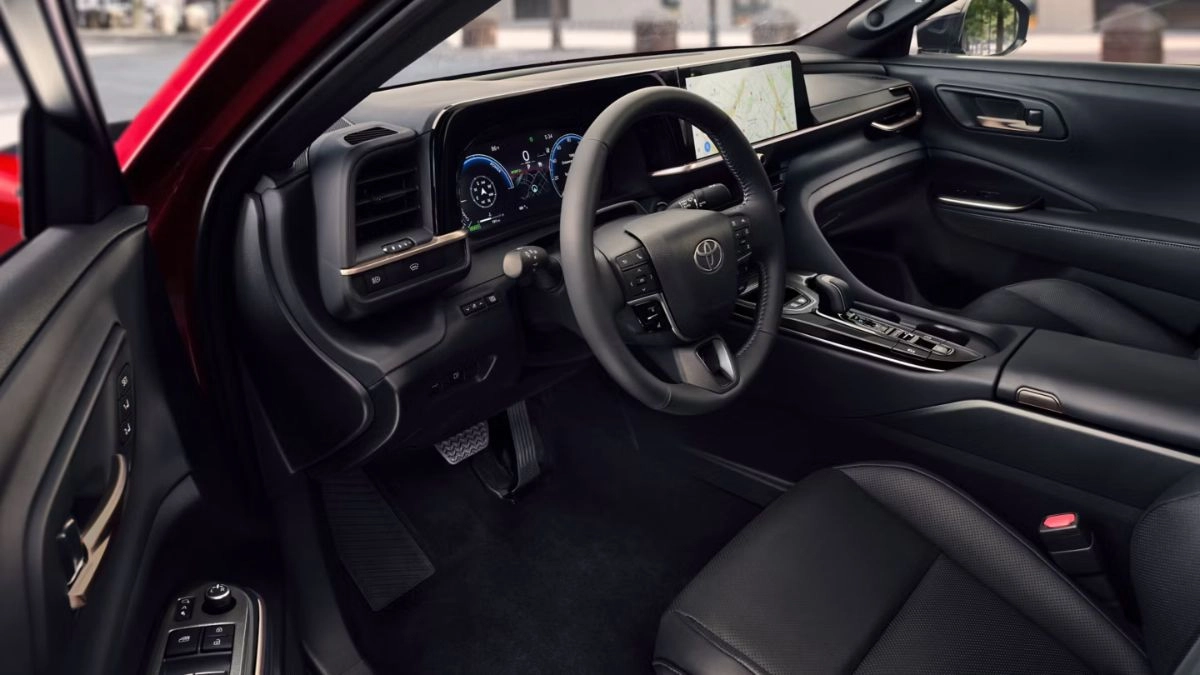

It can happen at the worst possible moment: you get in the car, turn the key or press the start button, the dashboard lights come on as usual, but the engine remains completely immobile. There's no noise, no vibration, and, most importantly, no starting.
At first glance, the situation can be stressful because it seems contradictory: if the vehicle has power, why won't it start? However, this combination is much more common than it seems.
Current electrical systems are designed to consume very little current for basic functions such as lighting, dashboard information, or radio activation.
This means that a car can turn on its lights without difficulty, even when the battery is too weak to turn the engine over. And although this behavior baffles many drivers, it is often a clear clue to begin diagnosing the source of the problem.
In most cases, the cause is related to the battery, the electrical connections, the starter motor, or some safety lock that the vehicle itself activates to prevent damage.
The important thing is to follow a logical sequence of checks before assuming the worst or spending money on inappropriate solutions.
1. The Battery: Small Charge, Big Problems
When a car has lights but won't start, the battery is almost always the first suspect. It doesn't matter if the dashboard looks normal: turning the starter motor requires much more power than the interior lights or radio.
The battery may have enough voltage to power the basic functions, but lack the cold cranking amperage needed to start the engine. It's also possible that the power isn't reaching the battery completely due to damaged connections, dirty terminals, or loose cables.
Before thinking about replacing anything,It's advisable to open the hood and do a quick visual inspection:
If after checking and adjusting everything the vehicle still won't start,the battery is probably dead or has lost capacity and needs professional testing.
2. Starter Motor: When You Only Hear a “Click”
Another very common sign is hearing a loud “click” when trying to start the car, but without the engine turning over. This sound usually indicates that the starter motor is receiving the electrical signal, but it can't move the internal mechanism.
The problem could be that the solenoid is working, but the internal motor is worn, stuck, or has stuck brushes. It's so common that some mechanics use the famous “technical tap”: a light tap with a hammer on the starter motor housing to momentarily free it. Although this maneuver can help move the car to the shop, it's not a real or permanent solution.
3. The engine turns over, but never starts: lack of fuel or spark
Sometimes the engine turns over strongly, but fails to start. In these cases, the electrical system is usually fine, and the cause shifts to one of the other three essential elements for combustion: air, fuel, or spark.
The engine requires:
If the fuel pump doesn't make its usual whirring sound when the key is turned to the "ON" position, it might not be pressurizing the system. Spark plugs, ignition coils, or crucial sensors like the crankshaft sensor also frequently fail. When this sensor doesn't send the correct information, the computer blocks the ignition to protect the engine.
4. Electronic immobilizers: immobilizers and alarms
Modern vehicles incorporate advanced security systems that can prevent starting even when everything seems to be in order. Sometimes, an activated alarm or an immobilizer failure is enough to prevent the computer from allowing fuel or a signal to the starter.
It's important to pay attention to:
In many cases, trying the spare key is enough to rule out a programming or communication problem between the chip and the vehicle.
5. The gear shift lever: a simple but frequent cause
Although it sounds basic, an automatic car won't start if the lever isn't in P or N. The Neutral Safety Switch prevents accidents by blocking the starter when it detects an active gear.
A simple maneuver can resolve the situation:
Surprisingly, this adjustment avoids many unnecessary trips to the mechanics.
Maintenance: the best defense against future failures
In most cases, Before your car stops starting, it gives clear signs: slow starts, dimming lights, strange noises from the fuel pump, or intermittent misfires. Addressing these symptoms promptly significantly reduces the chance of being stranded. Scheduling checkups of your battery, starter motor, charging system,and fuel system helps prevent emergencies. Furthermore, understanding these issues allows you to better explain the problem to your mechanic and make more informed decisions about repairs and replacements.
This news has been tken from authentic news syndicates and agencies and only the wordings has been changed keeping the menaing intact. We have not done personal research yet and do not guarantee the complete genuinity and request you to verify from other sources too.