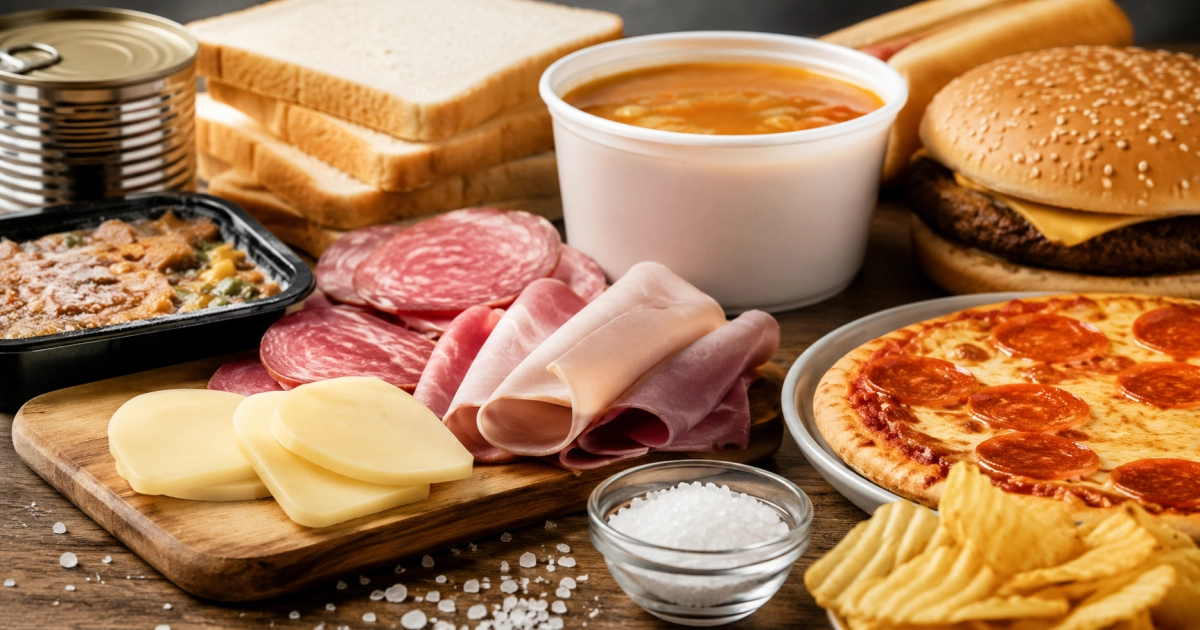

The sodium problem is not always in the salt shaker. Many times it is where it is least noticeable: in sliced ​​bread, sausages, canned soups, frozen pizzas, snacks, dressings and ready-to-heat meals.
In the United States, most of the sodium consumed by the population does not come from salt added at home, but from processed, ultra-processed and restaurant foods, according to the CDC. The agency warns that most Americans consume too much sodium, an excess that can raise blood pressure and increase the risk of heart disease and stroke.
But the impact doesn't end there. The kidneys may also be affected.
Why sodium matters for the kidneys
The kidneys help regulate the amount of sodium and fluid in the body. When they work well, they eliminate excess through urine. But if there is kidney disease, high blood pressure or progressive damage to these organs, too much sodium can promote fluid retention, swelling, increased blood pressure and a greater burden on the heart, explains the National Kidney Foundation.
The relationship is especially important because high blood pressure is a leading cause of chronic kidney disease. In turn, when the kidneys begin to fail, controlling sodium often becomes a common medical recommendation.
You can see: The body's signals when the thyroid stops working well
The foods where it hides the most
Not all salty products taste intensely salty. That's the deception. Some everyday foods can add a lot of sodium before a person realizes it. Among the most problematic are:
The FDA recommends using the nutrition label as a guide and remember that the daily value for sodium is less than 2,300 milligrams per day. It also explains that the percentage daily value allows you to identify whether a serving provides little or a lot of sodium: 5% or less is low; 20% or more is high.
You can see: What happens to your body when you stop having sex, according to science
The common mistake: looking at calories, but not sodium
Many people choose “light” products, low in fat or with fewer calories without checking the sodium. That can be misleading.
An instant soup may seem light. A wrap may seem healthier than a burger. A package of crackers may look harmless. But a single serving can provide a significant portion of the recommended daily limit.
The American Heart Association advises not to exceed 2,300 mg of sodium per day and considers closer to 1,500 mg daily ideal for most adults, especially those with high blood pressure.
Should we eliminate all ultra-processed foods?
Not necessarily. The key is to understand frequency, portion and context. A food high in sodium, consumed occasionally, does not have the same impact as a daily diet based on packaged meals, sausages, snacks and fast food. The problem appears when several products with hidden sodium accumulate during the day.
To reduce the risk, specialists recommend cooking more at home, choosing low-sodium versions when possible, rinsing canned foods like beans or vegetables, limiting cold cuts and frozen meals, and seasoning with lemon, garlic, herbs, onion, pepper or vinegar instead of always relying on commercial salt and sauces.
You can see: Due to stress, anxiety and a sedentary lifestyle, hypertension is gaining ground among young people
When should you pay more attention?
People with high blood pressure, diabetes, chronic kidney disease, a history of heart problems, or frequent bloating should talk to their doctor or nutritionist about how much sodium is right for them.
Not everyone needs the same restriction, and those who already have kidney disease may require specific guidance on sodium, potassium, phosphorus, and protein.
The idea is not to live counting every milligram, but to learn to detect where the excess is hiding.