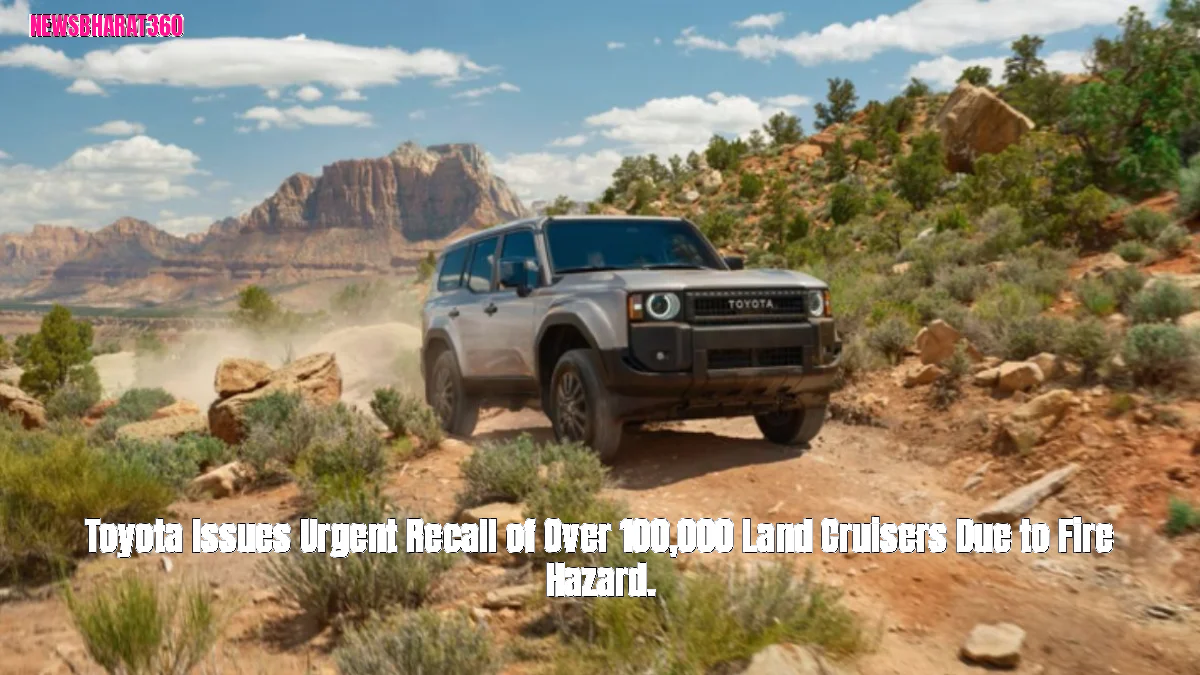

Toyota has initiated a safety campaign in the United States affecting 105,794 units of certain Toyota Land Cruiser hybrid models produced from 2024 to 2027. The action is in response to a potential defect that may lead to a gasoline leak, thereby elevating the risk of fire.
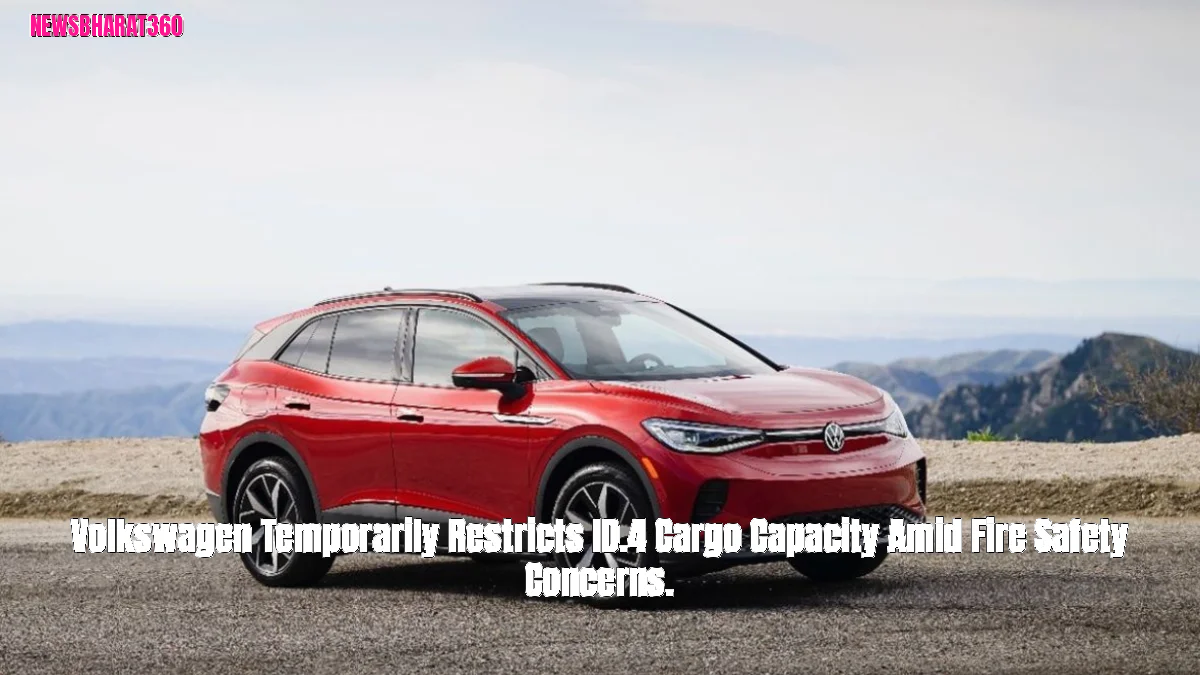
Volkswagen has announced a reduction in the maximum payload capacity of its ID.4 electric vehicle due to concerns over a potential fire risk. The move affects the vehicle's towing capacity and overall load-carrying ability, impacting owners who rely on the ID.4 for heavy-duty hauling. The exact details of the revised payload limits have not been disclosed, but the decision is aimed at mitigating the risk of fires associated with the vehicle.
A potential issue arises when a fuel system component near the tank is compromised, potentially leading to a separation of parts. If this occurs, gasoline may leak, resulting in engine failure.
Rivian Conducts Trials of Advanced Driver Assistance Technology Rivian, an American electric vehicle manufacturer, has been testing its latest innovation in automotive technology, an Invitation Assisted Driving System. This cutting-edge system is designed to enhance the driving experience by providing advanced assistance to drivers. Although specific details about the system's capabilities and features are not yet available, the trial phase is an important milestone in the development of this technology. As Rivian continues to push the boundaries of electric vehicle innovation, the Invitation Assisted Driving System is poised to play a significant role in shaping the future of automotive safety and convenience.
The manufacturer submitted a notification to the National Highway Traffic Safety Administration (NHTSA) on October 14, 2026.
As part of a campaign, certain vehicles from model years 2024, 2025, 2026, and 2027 are being affected. Vehicle owners can verify if their vehicle is included by checking its Vehicle Identification Number, a 17-character code.
The Vehicle Identification Number (VIN) for a Toyota vehicle can be located on the official Toyota and National Highway Traffic Safety Administration (NHTSA) websites. The VIN is also displayed at the base of the windshield on the driver's side and is included in the vehicle's documentation.
A potential issue has been identified in the fuel system of a four-cylinder turbo engine, specifically in the connection between a plastic tube linked to a fuel tank and a metal component that supplies gasoline to the engine. If the connection is compromised, it could lead to both components becoming dislodged, potentially causing a loss of fuel supply to the engine.
A vehicle engine shutdown can result in the car becoming stranded on the road, rendering it inoperable. Furthermore, the proximity of gasoline to a heat source significantly elevates the risk of a fire occurring.
The exact cause of the failure remains undetermined, as per the details released regarding the recall campaign by Toyota.
Customers will not incur any additional costs for the solution. Dealers will conduct a thorough inspection of the connection and install an additional reinforcement to secure the pipes in place. If necessary, they will also replace any affected parts, including the resin tube, and install a corresponding reinforcement.
The National Highway Traffic Safety Administration has set November 29, 2026, as the target date for mailing notification letters to affected vehicle owners. Toyota aims to complete the notification process by mid-December.
Individuals detecting a gasoline odor are advised to promptly reach out to a service provider for assistance and guidance.
A recent withdrawal from service of a Land Cruiser hybrid model underscores the importance of verifying a vehicle's history before purchasing a second-hand unit. As multiple campaigns have been initiated in 2026 involving this model, potential buyers are advised to check the vehicle identification number and obtain documentation to confirm if any pending repairs have been completed.
The campaign can be identified through the National Highway Traffic Safety Administration (NHTSA) with the reference number 26V673000, or by Toyota's internal codes 26TB23 and 26TA23. Reviewing these records enables vehicle owners to determine if their vehicle is affected and what corrective actions should be taken.