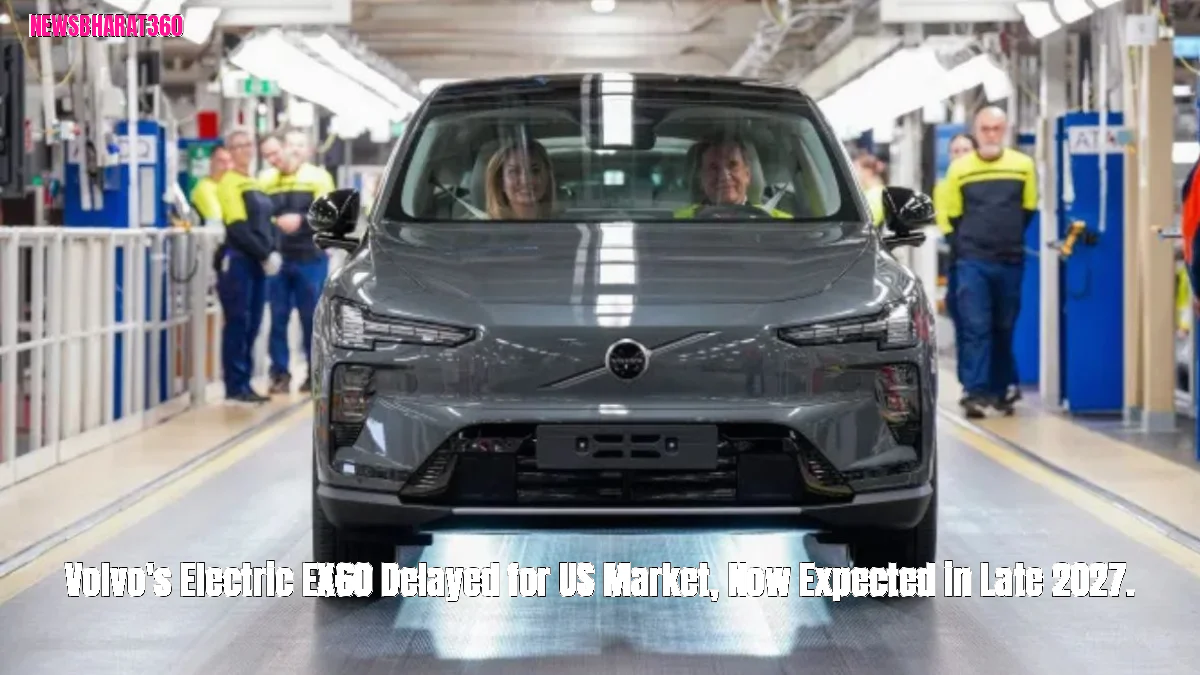

Volvo's electric SUV, the EX60, was initially poised to be a flagship model in the brand's US electric vehicle lineup. However, production challenges are now hindering its rollout, resulting in limited availability for prospective buyers.
Porsche has unveiled a concept for a high-performance electric vehicle, which is expected to surpass the capabilities of the iconic 911 model. The new electric sports car, rumored to be named the Mission S, is poised to revolutionize the automotive industry with its exceptional speed and agility.
Production at the Torslanda plant in Sweden is currently lagging behind scheduled targets, resulting in a lower-than-expected output.
Chinese electric vehicle manufacturer BYD has filed a patent application for a system designed to refrigerate immersion batteries, a technology aimed at enhancing battery performance and safety. The proposed system utilizes a refrigeration unit to cool the batteries, potentially increasing their lifespan and efficiency. BYD's innovation is part of the company's ongoing efforts to improve its battery technology and maintain its position in the rapidly evolving electric vehicle market.
Due to current circumstances, the United States market is expected to receive limited shipments for the remainder of 2026 and the initial six months of 2027.
Volvo's factory is currently falling short of its production target, having manufactured only a small portion of the 2,000 units it aimed to produce. This target was part of a larger project to produce approximately 40,000 units for global markets by the end of the year.
The primary challenge in the production of the EX60 lies in its manufacturing processes, which involve innovative techniques such as megacasting. This method enables the creation of large structural components in a single piece, while also allowing for the direct integration of battery cells into the vehicle's framework.
The integration of the battery system with the damaged structure has proven to be more complex than initially anticipated, resulting in a slower assembly process and a reduced fleet of vehicles available for distribution.
US dealers have been informed of the limited availability of the model, with some allocated units potentially arriving at the start of 2027. However, supply is expected to remain constrained until the second half of that year, when a substantial increase in deliveries is anticipated.
Volvo is currently facing a setback in the US market, where it had initially projected sales of approximately 7,000 units of the EX60 for the year 2026.
The model's commercial viability is a significant concern, particularly following the brand's decision to discontinue the EX40 in that market due to underwhelming demand.
Volvo's EX60, a premium electric SUV, is priced at approximately $60,000, making it a commercial counterpart to the XC60. Notably, the EX60 boasts an estimated range of up to 400 miles, positioning Volvo to compete effectively in the premium electric SUV market.
The company's ambitious goal of achieving 200,000 annual retail sales in the United States by 2030 may be compromised due to the current shortage. To successfully meet this target, the electric models must gain significant market presence through the company's dealerships.
Potential buyers of the EX60 can currently consider two options. Those who locate an available unit may review the purchase terms prior to stock depletion. Alternatively, they will need to wait until production levels are restored and supply chain capacity is expanded.
The electric SUV's US launch timeline remains uncertain, with potential delays extending into 2027.