
It is enough to compare a current car with one from two or three decades ago to notice that the differences are not only in design or technology. There is also an important change in something that often goes unnoticed, weight.
Read also: Mazda will renew the 6e with a new battery in 2027
Modern vehicles are considerably heavier and this evolution responds to the incorporation of new systems, larger dimensions and much more complete equipment.
You can read: Ram converts the 2027 Rumble Bee into a pickup with more than 900 hp
The transformation has benefited drivers with more comfortable, safe and capable models. However, this increase in mass also raises questions about efficiency, crash behavior, and the impact these vehicles have on pedestrians and other smaller cars.
Size and equipment directly influence
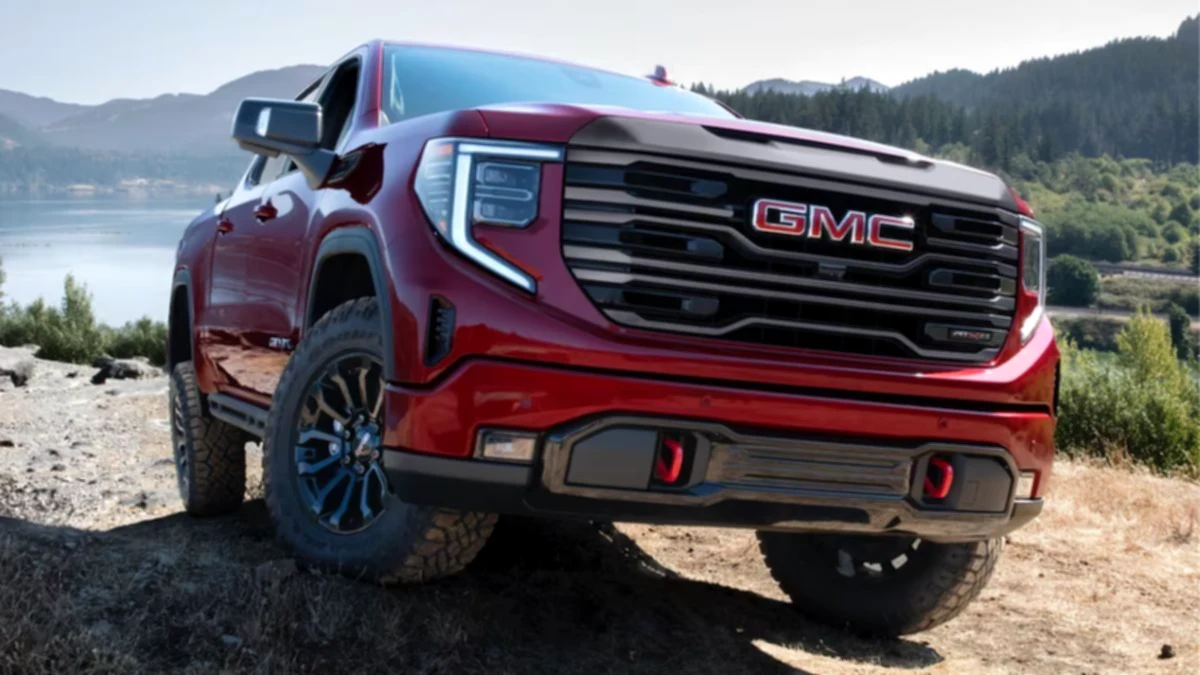
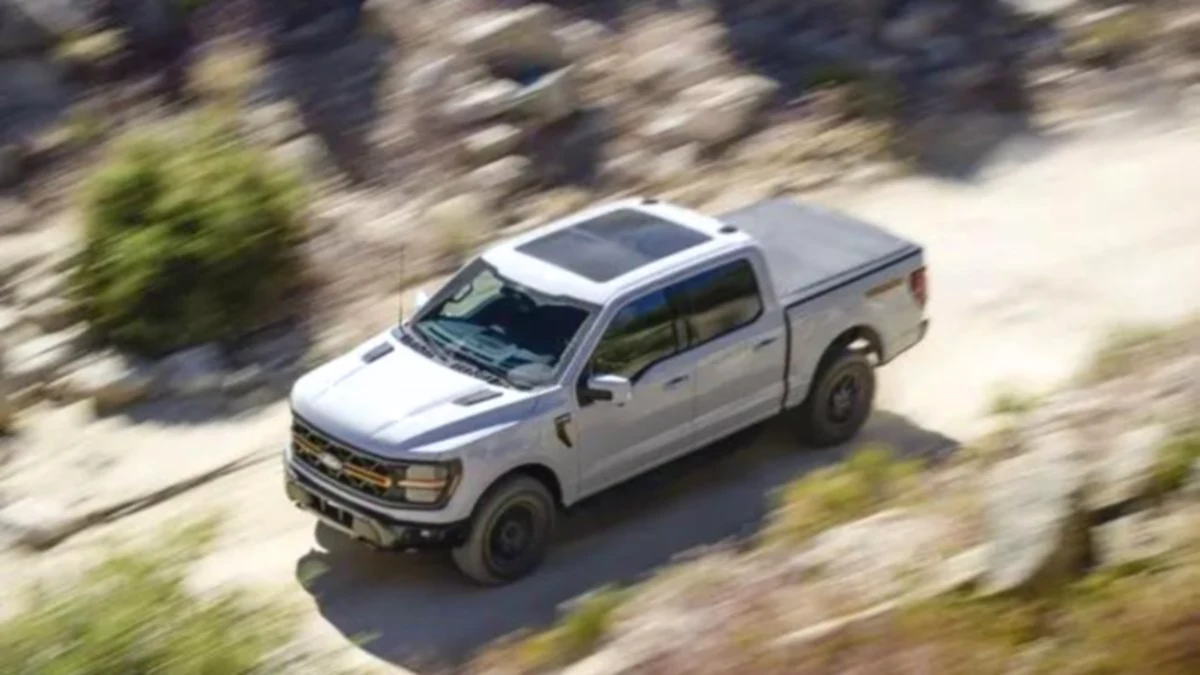
One of the main reasons for the weight gain is the growth of the vehicles themselves. SUVs and pickup trucks dominate the market, especially in the United States, where, according to data from the Environmental Protection Agency, they represented 66% of new vehicle production for the 2024 model year.
This increase in dimensions implies using more steel, larger windows, reinforced suspensions, larger wheels, more robust braking systems and a structure capable of supporting the additional weight.
Added to this is equipment that a few years ago was exclusive to luxury models. Large-format screens, electric heated seats, automatic climate control, wireless chargers, premium sound systems, ambient lighting and panoramic roofs add comfort, although they also increase the overall weight of the vehicle.
Electrification also changes the equation
The arrival of hybrid and electric systems further accelerated this trend. Instead of combustion engines and fuel tanks, these models incorporate large battery packs, electric motors and complex electronic systems.
In some electric SUVs and trucks, the battery alone can exceed 1,000 pounds. Plug-in hybrids even combine a combustion engine with a high-capacity battery, which further increases the weight of the set.
More security, but also new challenges
Technological evolution also has a direct effect on the balance. Systems such as automatic emergency braking, lane keep assist, blind spot monitoring, radars and cameras require additional sensors, computers and components.
Reinforced structures, multiple airbags and programmed deformation zones also make today's vehicles much more resistant than those of 20 or 30 years ago.
However, a heavier car also generates higher intensity impacts when a collision occurs. Various studies indicate that this increase in mass increases the risk for pedestrians, cyclists and occupants of smaller vehicles.
The Insurance Institute for Highway Safety (IIHS) concluded in research published in 2025 that occupant benefits begin to plateau when a vehicle exceeds approximately 4,000 pounds. From that point on, the additional weight brings little benefit to those traveling in the car, but it does increase the danger to other road users.
The next challenge will be to reduce weight without losing performance
The industry now faces a complex challenge. Manufacturers need to continue offering vehicles with greater autonomy, better safety systems and more technology without continually increasing their weight.
Finding lighter materials, developing more efficient batteries and optimizing the design of each component will be key to achieving cars capable of maintaining high levels of protection and comfort, but with a more contained mass that benefits both its occupants and other road users.