

Cyclospora alert in the US: thousands of cases are being investigated in 45 states after the outbreak linked to Taco Bel
The US is investigating thousands of cases of Cyclospora in 45 states. What relationship do they have with Taco Bell, what products were recalled and what are the symptoms?
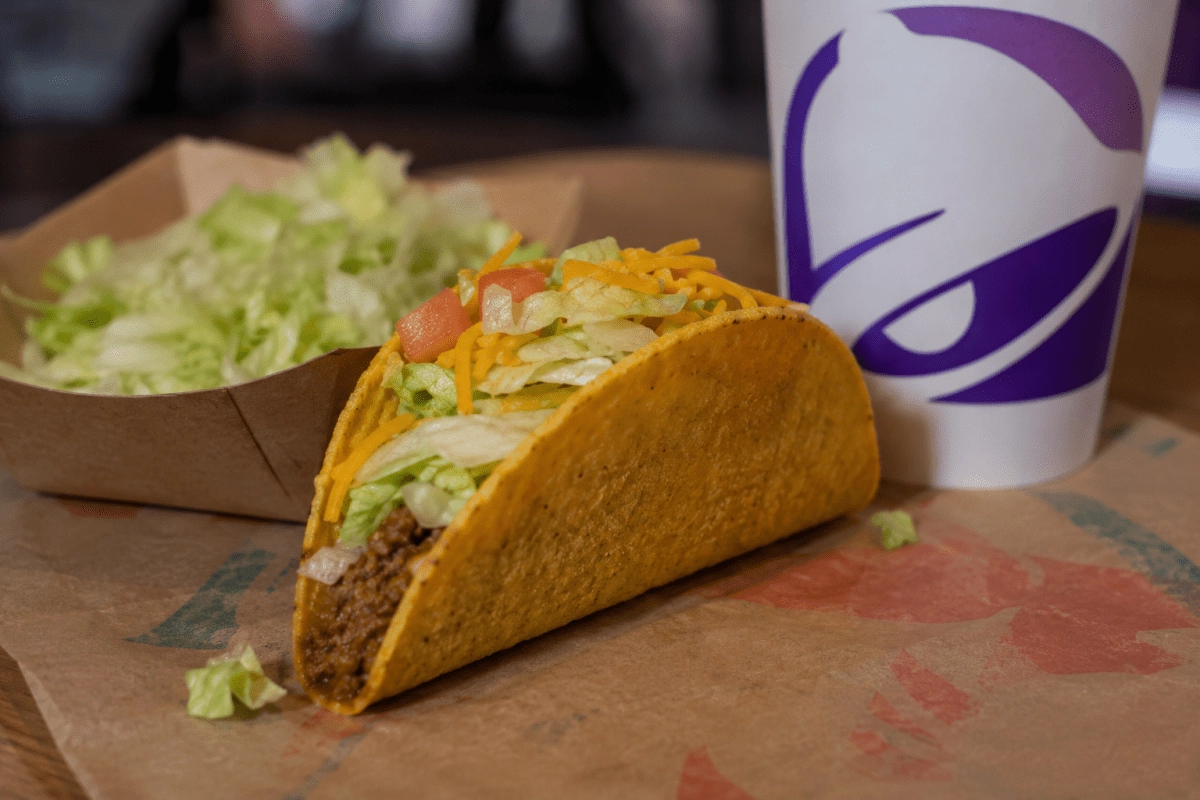

The United States is experiencing the largest outbreak of cyclosporosis on record in the country, with 6,707 confirmed infections in 45 states and more than 11,500 additional cases under investigation, according to figures released this week.
The outbreak gained visibility after some of the illnesses were linked to iceberg lettuce served at Taco Bell restaurants. However, health authorities clarified that not all cases detected in the country are related to the chain or a single food. Several possible sources of contamination are being investigated.
The magnitude of the emergency also had commercial consequences. Yum Brands, owner of Taco Bell, acknowledged a temporary drop in sales, although it said they began to recover after the company removed the suspect lettuce from its restaurants.
How many cases are linked to Taco Bell
The targeted investigation by the FDA and the Centers for Disease Control and Prevention identified 1,947 sick people in nine states who had eaten at Taco Bell before developing symptoms.
Within that group, at least 98 hospitalizations and no deaths were recorded. The cases began between June 22 and July 20 and were reported in Illinois, Indiana, Kansas, Kentucky, Michigan, Ohio, Oklahoma, Pennsylvania and West Virginia.
The FDA epidemiologically linked those cases to shredded iceberg lettuce supplied by Taylor Farms of Mexico. Taco Bell stopped using that product on July 17.
Authorities noted that the recall remains supported by epidemiological data and distribution chain monitoring, although as of July 19 there was no sample of the product that had tested confirmed positive for Cyclospora.
The national outbreak is much broader
The Taco Bell-related cases represent only part of the national outbreak. CDC surveillance had confirmed 6,707 infections in 45 states and was evaluating more than 11,500 additional suspected cases. More than 400 people were hospitalized throughout the country.
Michigan is one of the hardest hit states. Thousands of confirmed or suspected infections were reported there, a figure far higher than the approximately 50 that the state usually records during a normal year.
Researchers believe there could be several simultaneous outbreaks associated with different fresh foods. In some regions, the possible participation of products such as cilantro or parsley, in addition to iceberg lettuce, is being studied.
What products were recalled
Taylor Fresh Foods recalled iceberg lettuce distributed to restaurants and other commercial customers between June 29 and July 16.
The recall also affected Marketside brand products sold in certain Walmart stores:
The recalled products reached establishments in numerous states, including Florida, Texas, New Jersey, Connecticut, Massachusetts, Maryland and North Carolina. The FDA recommended throwing them away or returning them to the store.
What is Cyclospora and what are its symptoms?
Cyclospora cayetanensis is a microscopic parasite that can contaminate food or water and cause an intestinal infection known as cyclosporosis.
The most common symptom is frequent, watery diarrhea. They may also appear: abdominal pain or inflammation, nausea, loss of appetite and weight, tiredness, gas, headache, mild fever, vomiting and body aches.
The illness can last several weeks. In some patients, symptoms disappear temporarily and then return. Immunocompromised people are at greater risk of serious or prolonged complications.
Why is it so difficult to identify the origin?
Cyclospora has a relatively long incubation period. When a person starts to feel sick, they may have forgotten what foods they ate days or weeks before.
Furthermore, the parasite cannot be easily grown in the laboratory. Researchers must interview patients, compare their meals, and reconstruct the distribution route of fresh fruits and vegetables.
Confirmation that a patient is part of an outbreak can take up to six weeks. Therefore, the FDA anticipated that the numbers could continue to increase even after the lettuce recall.
What consumers should do
Those who have any of the recalled products should not consume it. It is also recommended to clean the refrigerator, containers and surfaces that have been in contact with the lettuce.
People who have persistent diarrhea, weight loss, signs of dehydration, or symptoms that go away and come back should see a health care professional.
It is important to mention possible exposure to recalled foods, as diagnosis may require a specific test that is not always part of routine gastrointestinal testing.
This news has been tken from authentic news syndicates and agencies and only the wordings has been changed keeping the menaing intact. We have not done personal research yet and do not guarantee the complete genuinity and request you to verify from other sources too.