
A recent study carried out by the Clínica Universidad de Navarra concludes that the sleep pattern in adolescents is more similar to that of adults than to that of children. The research included 419 participants between 1 and 18 years old who underwent polysomnographies, a technique used in sleep medicine for the diagnosis of different pathologies.
The study, published in the journal Clinical Neurophysiology, reported by EFE Health, reveals that total sleep time decreases with age, with preschoolers being the ones who sleep the most hours. Adolescents, on the other hand, have greater difficulty falling asleep and an increase in microawakenings.
While the REM phase of sleep, crucial for learning and emotional management, is reduced in adolescents. This phase is essential for procedural and emotional memory, contributing to learning in a safe environment.
Sleep differences in children and adolescents
Elena Urrestarazu, head of the Sleep Unit at the Clínica Universidad de Navarra and one of the researchers of the study, reflects that it is not precise why, for example, premature babies have so much sleep in the REM phase.
"We believe that it may have a maturational function at the beginning of life. The changes are progressive. There are some characteristics of the sleep phases in childhood and it was not known at what point they begin to resemble those of adults," says Urrestarazu.
"The small child has a lot of deep sleep. He begins to sleep from the active sleep phase, which is what we will later call REM. On the other hand, in an adult it would be supernormal to sleep directly in that sleep phase, which is normal in premature babies and newborns," the expert explains.
Individualized evaluations for sleep problems
The results suggest that the evaluation criteria should be adjusted for adolescents. Health organizations believe that sleep problems should be addressed with an approach more similar to that of adults, instead of exclusively applying pediatric criteria.
On the other hand, sleep apnea, which affects a growing number of adolescents, underscores the need for accurate and adaptive assessment. The question arises of how to classify this disorder in the adolescent population, given that the limits between normality and abnormality remain unclear.
The problem of lack of sleep
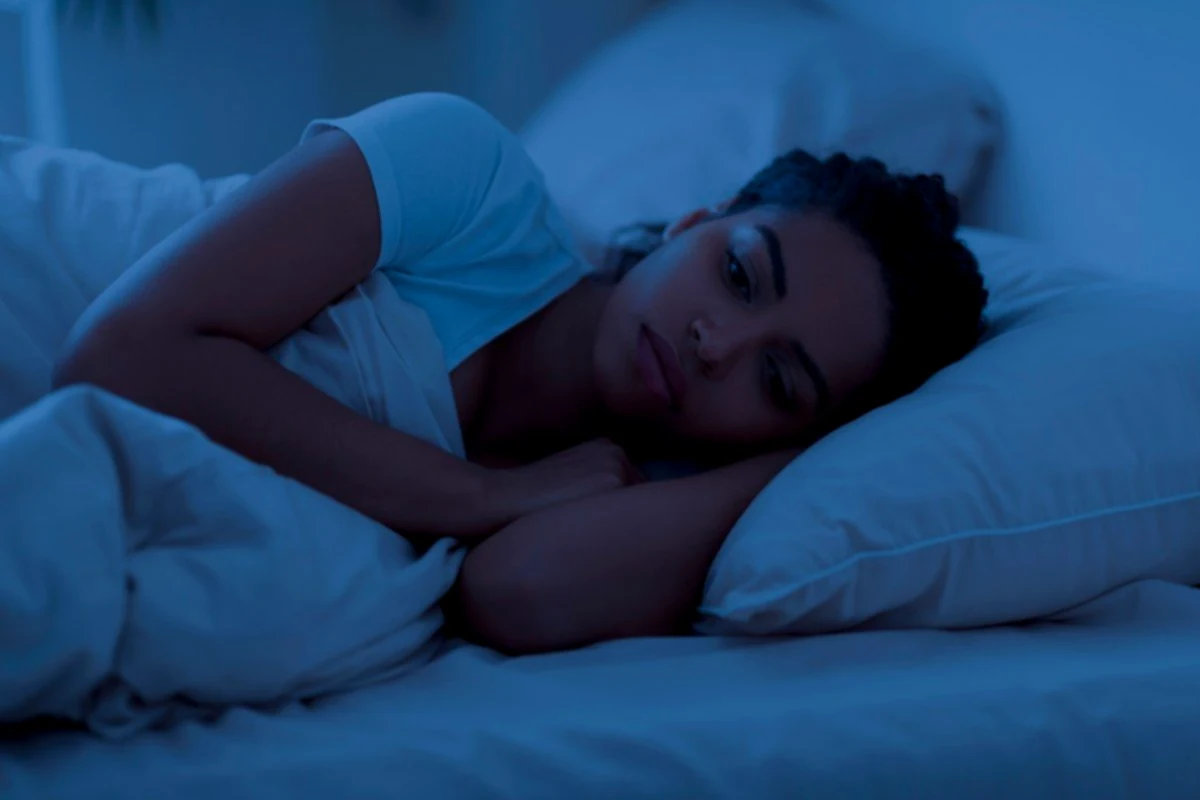
Research highlights that lack of sleep is a significant problem for more than 50% of adolescents. It is related to a school schedule that has not changed and the use of screens that interferes with the production of melatonin, affecting both academic performance and emotional state.
"The adolescent's internal clock is late. And to this great natural delay we add light screens, which delay melatonin, which still delays it more than is physiological. In addition, the time for starting school has not changed, they continue to start early," says the expert.
He adds that Spanish adolescents go to sleep late and wake up early, which has an impact on their school performance and mood.
"They are going to be more irritable. It is also closely related to a low mood or anxiety. It is a big problem," he concluded.